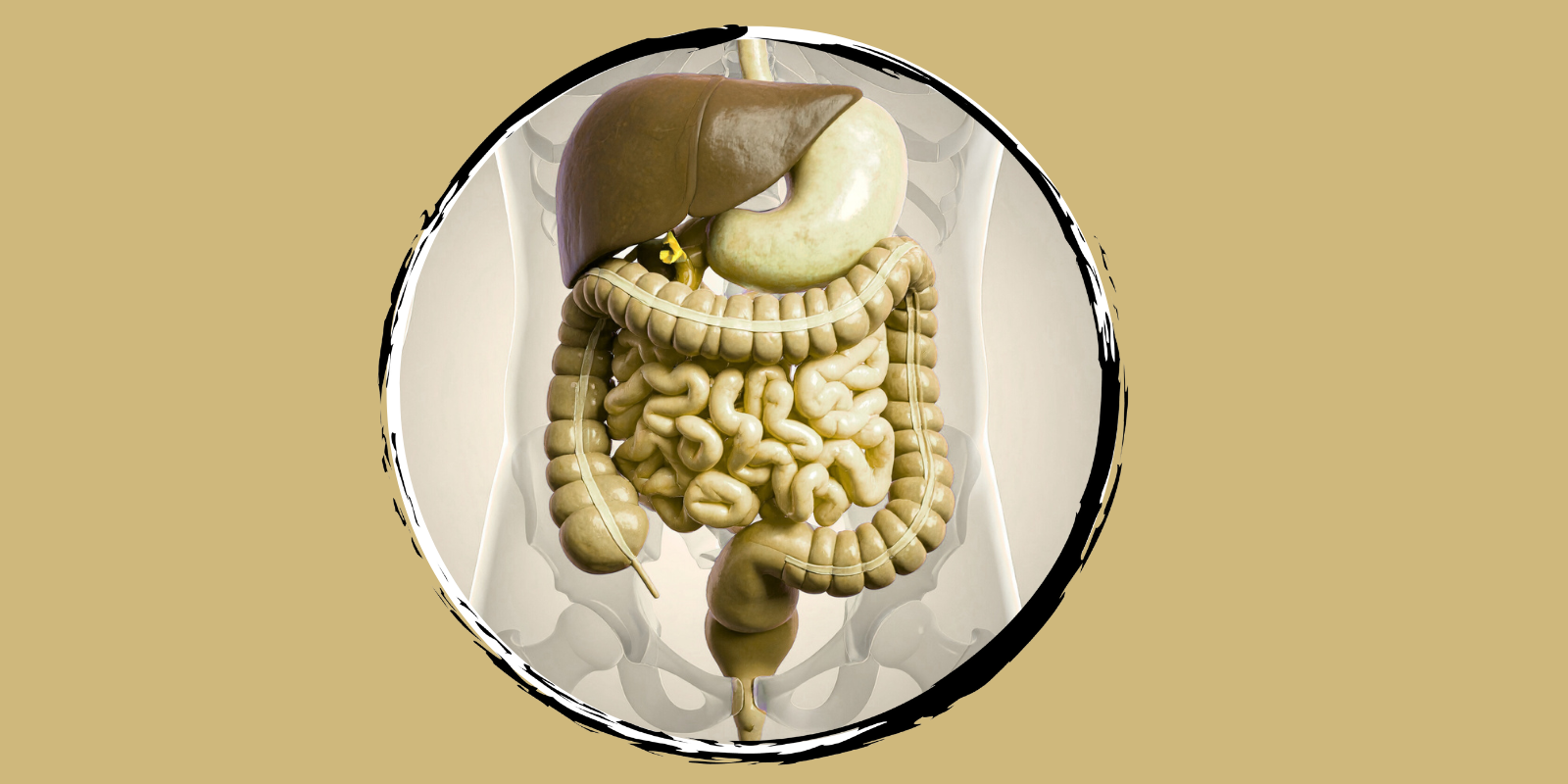
While the overall number of new cases of stomach (or gastric) cancer has been slowly dropping over the past 10 years, the cancer is on the rise in certain Latinx and Asian American communities — particularly in new immigrants to the U.S. It’s an area of concern — and opportunity — for the Katy O. and Paul M. Rady Esophageal and Gastric Center of Excellence at the University of Colorado Anschutz School of Medicine.
Affiliated with the CU Cancer Center, the Rady Center was established in 2022 to advance esophageal and gastric cancer research, clinical trials, screening, and treatments.
“Gastric cancer remains a leading cause of cancer mortality among racial, ethnic, and immigrant groups in the U.S., in part because these populations have higher rates of H. pylori, a bacterial stomach infection that is a known cause of gastric cancer,” says Andrea Dwyer, MPH, associate director for advocacy and outreach at the Rady Center. “It’s important that we educate these populations, as well as their primary care doctors, on how to detect and treat H. pylori.”
Building on success
In her dual role as director of the CU Cancer Center’s Colorado Cancer Screening Program (CCSP), which navigates patients from medically underserved communities to screening for colorectal, genetic and hereditary, and lung cancer, Dwyer is looking at ways to use that program’s resources and community connections to build awareness and opportunities around gastric cancer.
“A lot of the work we've done with CCSP is translating what we know from scientific, guideline-based care, as well as what we know about emerging trends,” she says. “Our goal is to use that information and go out into the communities, particularly primary care, and translate that into opportunities to build capacity for education and awareness. A big priority for us, within the primary care community, is letting people know that gastric cancer is starting to be a big deal.”
CCSP has helped to increase access to colonoscopies to detect colorectal cancer; Dwyer and her team at the Rady Center hope to see similar growth in upper endoscopies to look for stomach cancer, particularly in people with symptoms or those who have been diagnosed with H pylori.
“There isn’t guideline-based care for stomach cancer like there is for colorectal cancer, but we want to let people know this is on the rise and that we need to rule out gastric cancers,” she says. “If people are having symptoms like stomach pain and blood in the stool, particularly in immigrant communities and those who have been diagnosed with H. pylori, an upper endoscopy is very much needed.”
Also important is increasing detection of H. pylori, which, when treated successfully with antibiotics, reduces the risk of developing gastric cancer. Noninvasive tests for the bacteria include at-home fecal sample tests similar to the tests used to detect colorectal cancer.
“Access to endoscopy isn’t always easy, especially in disadvantaged and rural communities,” Dwyer says. “We want to think about these approved screening tests that we can get into people’s hands.”
Language barrier
Another issue for Dwyer and her colleagues to tackle is that many in the immigrant population that is at highest risk for developing stomach cancer don’t yet speak English, presenting another barrier to care.
“Often they're immigrants or first-generation, and they have trouble traversing the system,” she says. “It shows the need for interpretation and other navigation services to help these populations get the care they need.”
Getting the ball rolling
Work around gastric cancer has already begun at the Rady Center, as Dwyer and her team connect with navigators, health systems, and primary care providers, write grants to increase prevention efforts, and follow the efforts of researchers who are working to develop screening guidelines for gastric cancer.
“I'm excited, because, with support from the Rady Center and the Cancer Center gastric experts like Drs. Wani, Kim, Mungo, and Bilal, we're already working with several different health systems to explore development of workflows for implementation, identification, and stratification for gastric cancer,” she says. “We're going to have to keep the drumbeat going so people understand the risk right now, but we're going particularly to those communities where we see the most pressing need, based on the populations they're serving.”