
Microplastics have become a growing focus of scientific research as investigators seek to better understand how these tiny plastic particles interact with the environment and the human body. Found in air, water, food and consumer products, microplastics have sparked questions across medicine, public health and environmental science.
A recent article on microplastics and oral health, published in the Journal of the American Dental Association, examines how oral healthcare fits into this broader scientific conversation.
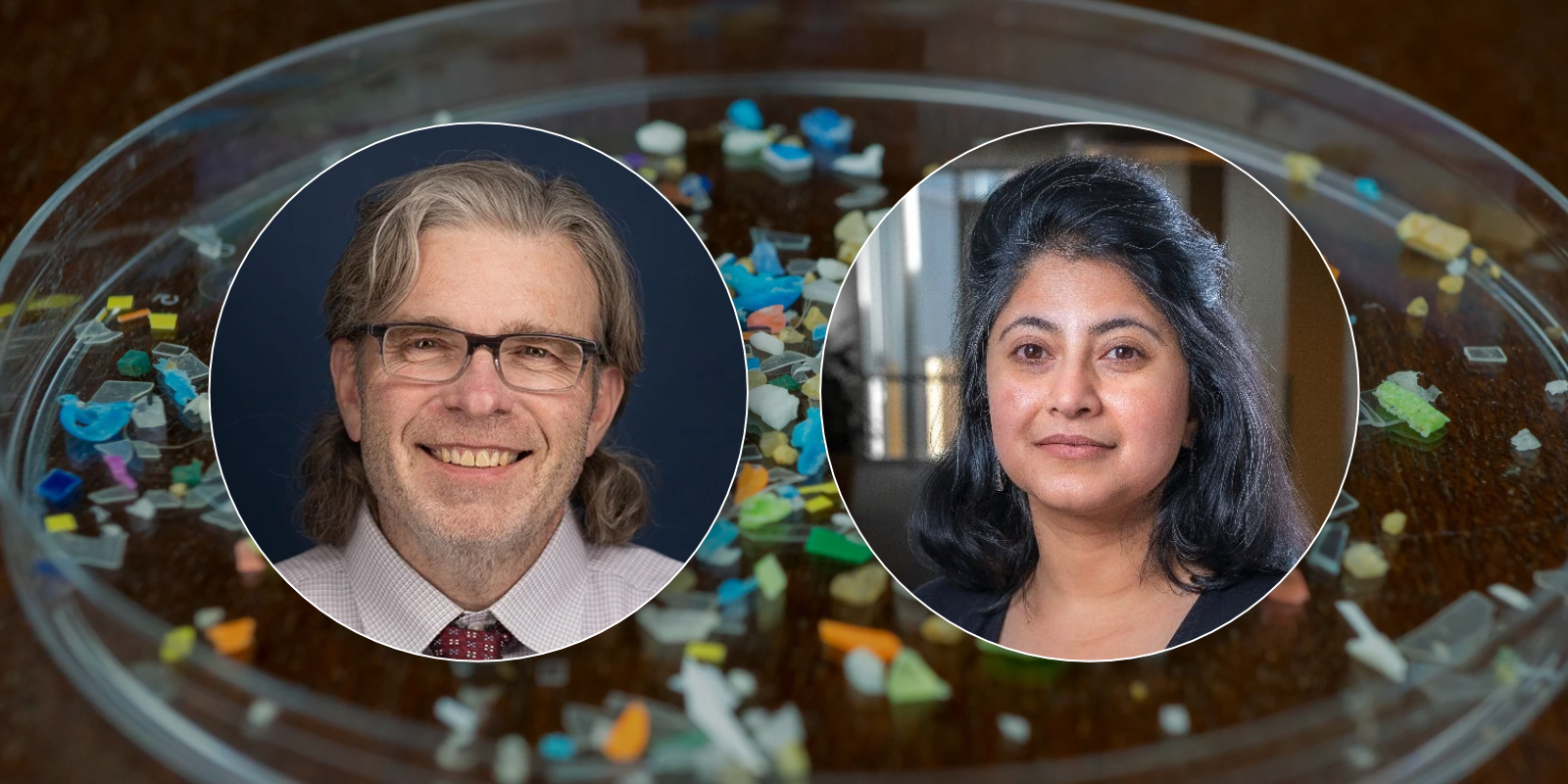
Written by Devatha Nair, PhD, associate professor in the Department of Craniofacial, Oral and Materials Sciences, and Bruce Dye, DDS, MPH, professor in the Department of Community Dentistry and Population Health and Delta Dental of Colorado Foundation Chair in Oral Health Equity, the article explores what researchers currently know about microplastics, how they may be generated in oral healthcare settings and where future study is needed.
Exploring the Health Impacts of Microplastics
Microplastics are plastic particles smaller than 5 millimeters. Scientists have detected them throughout the environment and in human tissues, leading to increased interest in understanding their potential impact on human and environmental health.
At the same time, many important questions remain unanswered. Scientists are still working to determine how much exposure occurs, how these particles move through biological systems and what long-term implications, if any, they may have.
"The science is still developing," Dye said. "There is much we do not yet know, which is why ongoing research is so important."
The authors emphasize that their publication is not intended to raise alarm. Instead, it seeks to identify opportunities for dentistry to contribute to a rapidly evolving field of study through rigorous, evidence-based research.
Why Dentistry is Part of the Microplastics Conversation
Modern dentistry relies on advanced polymer-based materials that have transformed patient care. Composite restorations, orthodontic appliances, dentures, retainers, impression materials and many other dental products offer durability, functionality and esthetics that have improved treatment outcomes for millions of patients.
Because many of these materials contain polymers, researchers are beginning to examine whether routine dental materials and clinical procedures may contribute to microplastic generation and how those particles move through clinical and environmental settings.
"Dental materials have delivered tremendous benefits to patients and remain an essential part of contemporary oral healthcare," Nair said. "At the same time, we have an opportunity to better understand how these materials interact with the environment throughout their life cycle."
The authors note that activities such as finishing and polishing restorations, adjusting appliances and fabricating dental devices may release microscopic particles. However, the extent of exposure and its significance remain largely unknown.
Looking Through a “One Health” Lens
The article also highlights the concept of One Health, which recognizes that human, animal and environmental health are interconnected.
As researchers study microplastics in ecosystems, waterways and food chains, they are increasingly examining how plastic waste moves through the environment and ultimately returns to humans through water, food and other exposure pathways.
Healthcare systems, including dentistry, are part of this larger picture. Understanding where microplastics originate and how they travel through environmental systems can help researchers identify opportunities for innovation and sustainability.
"We have a responsibility to ask questions and follow the evidence wherever it leads," Dye said. "By understanding these processes better, we can help inform future solutions that benefit both people and the environment."
The Next Questions in Microplastics Research
Despite growing scientific interest, significant knowledge gaps remain.
Some of the questions researchers hope to answer include:
- How much microplastic material is generated during dental procedures?
- What exposure levels exist for patients, students and oral health professionals?
- How do particles move through wastewater and waste disposal systems?
- Can future dental materials and clinical workflows further reduce environmental impact?
Dye and Nair suggest that establishing baseline measurements is an important first step. Better data could help researchers evaluate exposure patterns, inform future material development and identify opportunities to further improve sustainability within oral healthcare.
Advances in this area could also help guide the development of new materials, manufacturing methods and sustainability practices across the profession.
Understanding Microplastics and Your Oral Health
While Dye and Nair continue to investigate, they stress that patients should continue following established oral health recommendations. Decades of scientific evidence demonstrate that maintaining good oral health supports both oral and overall well-being.
The American Dental Association (ADA) continues to recommend:
- Brushing twice daily with fluoride toothpaste
- Cleaning between teeth once daily with floss or another interdental cleaner
- Using mouthrinse as directed by a dentist
- Visiting a dental professional regularly for preventive care
For individuals interested in reducing plastic use, alternatives such as bamboo toothbrushes, natural-fiber flosses and other products are available. However, experts recommend selecting products that have earned the ADA Seal of Acceptance, which indicates they have been evaluated for safety and effectiveness when used as directed.
Similarly, patients who wear plastic oral appliances such as aligners, retainers or mouthguards should continue using them as prescribed and notify their dental provider if they notice cracking, damage or wear.
Advancing Microplastics Research in Dentistry
For Dye and Nair, the conversation surrounding microplastics represents an opportunity for dentistry to contribute valuable expertise to a growing area of scientific inquiry.
"Research allows us to be proactive rather than reactive," Nair said. "The goal is to better understand these systems, continue improving patient care and identify opportunities for future innovation."
Through continued research and collaboration, the profession can help shape innovations that support oral health, public health and environmental sustainability for generations to come.