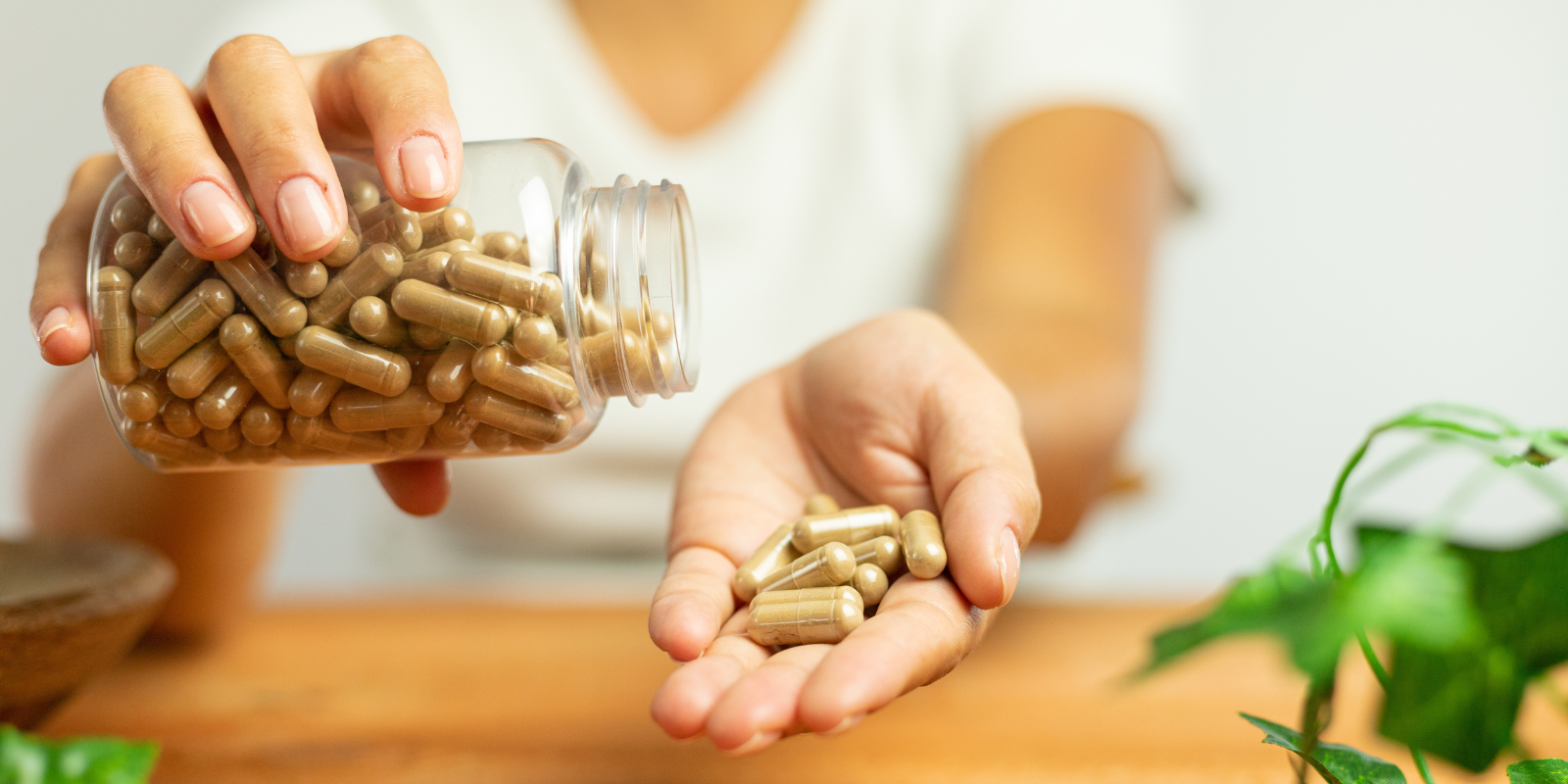
What is ashwagandha?
Ashwagandha is an herb that is derived from the extracts of the roots of the Withania somnifera plant. It is an evergreen shrub that is common in Southeast Asia and India. Ashwagandha has been used for centuries as a cornerstone of Ayurvedic medicine, an ancient Indian medical system.
Today in the United States, it’s being used more and more as a supplement to conventionally prescribed medications or just on its own, and it’s extremely popular.
What are the purported benefits of ashwagandha? Have you seen clinical proof of any benefits?
There are a lot of purported benefits of ashwagandha. It is said that ashwagandha can help with stress, anxiety, and insomnia. It is also used to help fatigue, pain, arthritis, psoriasis, and diabetes. Other people take it to increase their sexual prowess, as it increases testosterone and helps with sperm quality.
There is some data showing that ashwagandha might help with insomnia and stress, but there is not much clinical proof of the other claims. Ashwagandha has been shown to increase testosterone, which could be a benefit for some and a negative for other people, like pregnant women or patients with prostate cancer.
Is there a standard recommendation of how much ashwagandha you should — or should not — consume?
From my knowledge, there is no particular recommended dosage. The doses of ashwagandha also vary in frequency depending on the product you consume, with some products recommending consumption once daily versus three times a day.
Also, people usually don't know the exact dose of ashwagandha that is in the liquid drop, gummy, tablet, or pill they are taking because of the lack of regulation by the FDA. It all varies.
In general, it’s well known that if you do consume large amounts of ashwagandha, you may experience nausea, vomiting, or gastrointestinal upset.
As a hepatologist, what are your main concerns about ashwagandha and its potential effects on the liver?
If you look at the very few clinical studies that are on ashwagandha, there have not been any reported liver injuries. However, as hepatologists, we have seen a number of patients who have elevated liver tests (which can indicate liver damage) and jaundice (yellowing of skin and eyes), and the only thing that we have noticed that could predispose them to developing a liver injury is ashwagandha.
There have been more than 70 reports in the literature of ashwagandha causing liver injury — anything from a mild injury to a prolonged course of jaundice, or even cases of acute liver failure that require a liver transplant. Most of the reported cases of severe liver injury have been in people who have underlying chronic liver disease, but we have also seen elevated liver function tests in healthy patients who just happen to be taking this as a supplement.
We can’t say for certain that ashwagandha is causing this. We don’t know if it’s the ashwagandha itself, or potentially a contaminant that is in the supplement, or something else. That’s the issue with all supplements in general — they’re not regulated by the FDA, so they don’t have the same labeling specifications as a drug that has been approved by the FDA.
If you look at the National Institutes of Health’s liver toxicity database, which is a voluntary database to track adverse events with supplements, the NIH does classify ashwagandha as a liver toxicity grade B, which basically means it is likely a cause of clinically apparent liver injury. The supplement liver toxicity data is likely highly underreported because there is no obligation to report adverse events.
Hepatologists like me are only seeing a small proportion of the millions of people in the United States who are taking ashwagandha as a supplement. So for the majority of people, it is not causing any harm to the liver. But we have all evaluated people with liver injury and the only potential risk factor is that they are taking ashwagandha. Furthermore, liver injury resolves with cessation of the ashwagandha supplement.
What is still unknown about ashwagandha? What research is still needed on it?
In general, I think we need research on the exact mechanisms of how these herbal and dietary supplements are causing liver toxicity. Also, I think there needs to be more oversight of the supplement industry so that there is more accurate labeling of the exact chemical composition of supplements.
Until we know that information, then all we can say as liver doctors is that there is an association between ashwagandha and liver damage, but we cannot say for certain that ashwagandha is causing this.
Given the lack of FDA regulation, what would you like for the public to consider before they decide to consume supplements like ashwagandha?
We suspect that up to one-third or half of all adults in the United States are taking some form of a supplement, and when they are taking supplements, most of the time, their physician does not know about it. People will often not report it as supplements are not considered medications, however, it is very important to talk to your doctor before taking a supplement because these products may have side effects, or interact with medications that you’re currently taking, or have negative impacts on the diseases you have.
People also need to be aware that when they take supplements, there might be ingredients in the supplement that are not listed. There can be contaminants, and there is always a possibility for liver injury as well as other side effects. If you look at the drug-induced liver injury databases, supplements are postulated to make up about 20% of all drug induced liver injuries. For example, in 2013, there was a product that came on the market called OxyELITE Pro to help consumers build muscle and lose weight, but soon after it was released in Hawaii, it was reported to the health department because there were several cases of severe liver injury associated with it. Then, the company voluntarily removed the product from the market.
Keep in mind that supplements can essentially claim to do anything because they are not regulated by the FDA, so companies do not have to report an adverse event to their product. There are products in stores that will claim to help your liver, but many of them actually have harmful ingredients. The FDA essentially has no oversight or any obligation to act on reports of potential side effects.
Most people will probably do fine on these different supplements, but you need to be aware whenever you’re putting something into your body that there is the potential for an unexpected side effects and even harm. When considering a supplement, it might be useful to see if there is an online fact sheet about the product from the NIH, because knowledge is power.