For patients who have complex lipid disorders, accessing medical care can be complicated and involve multiple referrals to different health care providers — particularly if the patient has other cardiovascular risks such as diabetes, obesity, or hypertension. A unique multidisciplinary clinic at the University of Colorado Anschutz aims to change that.
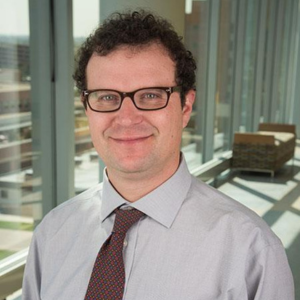
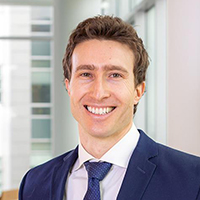
The Cardiometabolic and Advanced Lipid Clinic is co-directed by cardiologist Steven Simon, MD, and endocrinologist David Saxon, MD, a powerful and dynamic duo in the CU Anschutz Department of Medicine. Together, they lead a diverse team of clinicians who blend their medical expertise to advance clinical research and offer more streamlined, integrative care to patients.
“I think the health care system can prevent cardiovascular disease better than it currently does,” says Simon, an assistant professor of cardiology. “My philosophy is to intervene early so we can prevent patients from getting to the point that they need surgery or complex cardiac interventions.”
Cardiovascular disease is a leading cause of death in the United States, with one person dying every 34 seconds from it, according to the U.S. Centers for Disease Control and Prevention. The risk of developing cardiovascular disease is higher if a person has a lipid disorder, which is a type of metabolic condition that causes abnormal levels of lipids (fats such as cholesterol and triglycerides) in the blood.
At their clinic, Simon and Saxon help patients who have complex lipid disorders and a heightened risk of cardiovascular disease due to conditions such as diabetes, obesity, hypertension, and other metabolic disorders. For some patients with rare genetic disorders, the interventions offered at the clinic have been lifesaving.
“When people have multiple cardiovascular risk factors, they need a one-stop shop,” says Saxon, an associate professor in the CU Anschutz Division of Endocrinology, Metabolism, and Diabetes. “At this clinic, we can almost do it all for these patients dealing with complex cardiometabolic issues.”
‘Same issue from two different perspectives’
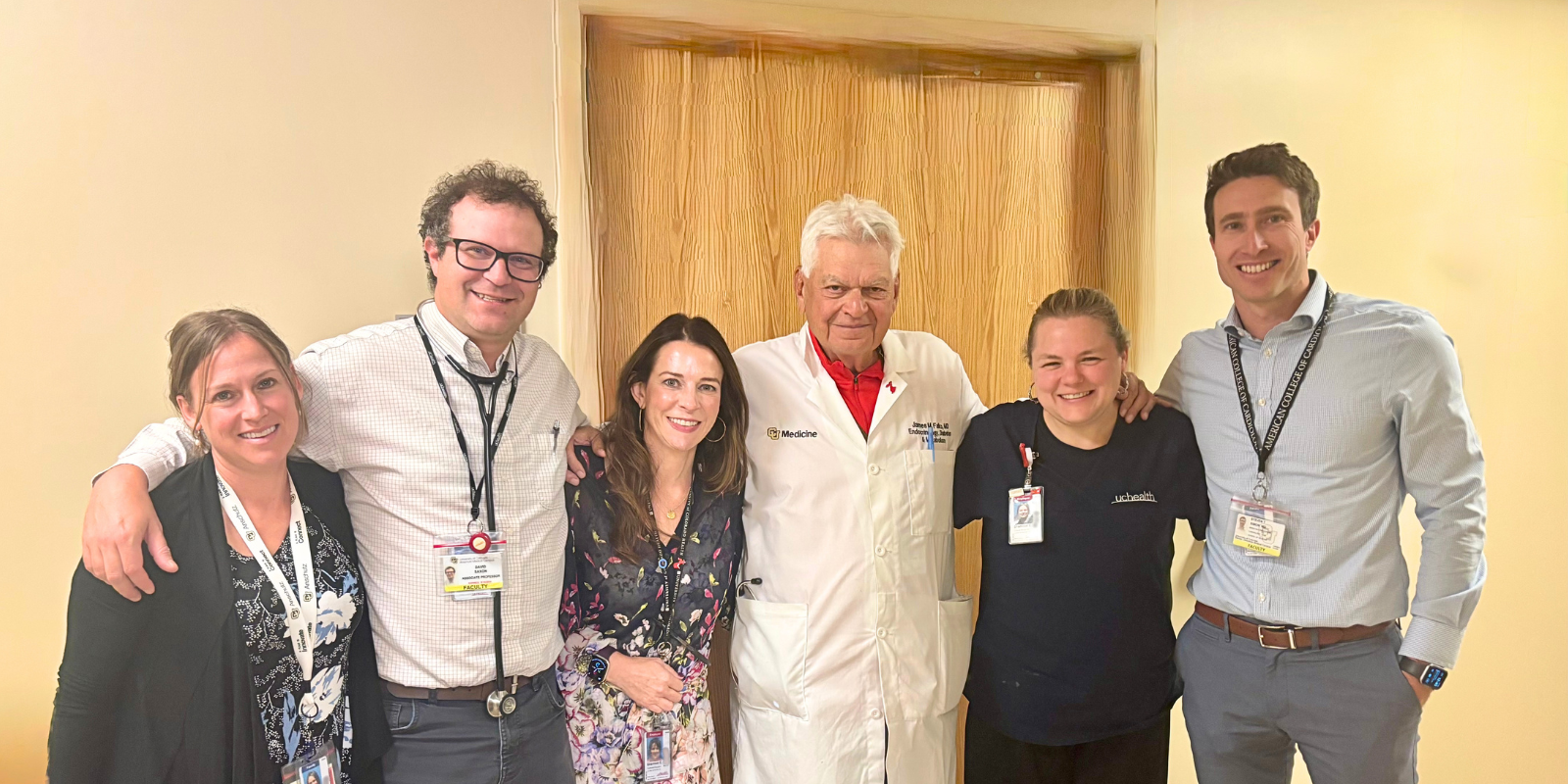
Roughly four years ago, Simon and Saxon became co-directors of the clinic, which was originally founded by Robert Eckel, MD, a professor emeritus in the Division of Endocrinology, Metabolism, and Diabetes. Their close partnership is what makes the clinic special, Simon explains, as they regularly collaborate to review patient cases and exchange ideas on the best way to provide care.
“We have an open dialogue about every patient and give each other feedback,” Simon says. “It's so valuable that we can approach the same issue from two different perspectives.”
The clinic’s team also includes: Chelsea Baker, PA-C, a physician assistant who offers endocrinology and diabetes care; Shannon Christen, RD, CDCES, CCHP, a diabetes educator and registered dietitian; Shannon Clawson, RN, BSN, CCHP, a registered cardiology nurse; and Jodi Martinez, PharmD, BCPS, BCCP, a clinical pharmacist.
“Having someone like Shannon Christen is incredibly unique because she meets with patients on the day of their initial visit and continues to work with them intensively between appointments,” Saxon says. “That ongoing support helps patients navigate complex therapies and quickly make meaningful progress.”
Simon adds, “We all learn from each other. It’s so valuable having people with different backgrounds.”
Treating rare disorders
The value of a collaborative approach was evident when treating a patient with a rare genetic disorder known as Alström syndrome, which can affect a person’s vision, hearing, metabolism, and heart function.
The patient was experiencing severe insulin resistance and required high doses of insulin. Saxon helped provide diabetes care, and Christen helped educate the patient, who was blind, how to use an insulin pump.
“Unfortunately, this disorder affects most organs over time, so the patient developed cardiovascular problems,” Saxon says. “The beauty of this clinic is that this patient can get the care they need all in one place, because I can help them with their endocrinology needs and Dr. Simon can help with the cardiovascular needs. Although this is a rare condition, these are the types of patients that our clinic serves.”
Only Colorado site to offer lipid apheresis treatment
When a teenage girl noticed a white ring within her eye, fear ignited. The marking, caused by an accumulation of cholesterol deposits, was known in her family as “the kiss of death.” Several of her relatives with the same symptom had previously died due to a rare, genetic cholesterol disorder known as homozygous familial hypercholesterolemia (HoFH), a condition that causes high levels of low-density lipoprotein cholesterol (often called “bad cholesterol”) and is historically difficult to treat.
Hope, however, arose when the teenager arrived at the Cardiometabolic and Advanced Lipid Clinic. It is the only site in Colorado that offers lipid apheresis treatment, which Simon explains is essentially dialysis for patients with severe cholesterol disorders. With this treatment, the patient’s blood is removed, the bad cholesterol is filtered out, and the blood is returned. It’s a treatment that people across Colorado and from neighboring states have traveled to CU Anschutz to get — and for patients like the teenage girl and her family, it can be lifesaving.
“With this genetic disorder, if a person inherits the mutated genes from both parents, which she did, it is typically fatal by early adulthood. She already had a coronary artery bypass surgery by age 14,” Simon says. “When I met her about two years ago, we began this lipid apheresis treatment. Since then, she’s done really well. Her cholesterol is normal, and her family is thrilled.
“Now, I see her, her mom, dad, and two brothers. They regularly visit the clinic together as a family for their appointments, and we’ve developed a great relationship,” he adds. “Many cholesterol disorders are genetic, so we help care for a lot of multigenerational families.”
On the frontlines of research
Simon and Saxon strive to improve patient care by contributing to a variety of novel studies, some of which involve their patients as participants in the research.
“I like to be involved in research projects that give me a chance to offer patients something they can’t get elsewhere,” Simon says.
Simon is involved in several clinical trials, including a trial known as TRANSFORM. He explains the research aims to uncover if there are better ways at predicting cardiovascular events, with the assistance of artificial intelligence, and the value of having more widespread screening for coronary atherosclerosis.
“We are screening for coronary disease using coronary computed tomography angiography scans. We perform a plaque analysis with an AI tool called Cleerly,” Simon says. “One question this trial attempts to examine is: Should we be taking an approach similar to colonoscopies, where we screen for colon cancer for everyone? Or is it better to screen in a certain population?”
Another main area of research is on lipoprotein(a), also called Lp(a). Elevated levels of Lp(a) are a common risk factor for cardiovascular disease.
“Lp(a) is a unique risk factor that is entirely genetic and cannot be meaningfully altered with lifestyle changes. It can cause earlier heart attacks, strokes, and aortic stenosis,” Simon says. “Traditionally, we’ve had no way to combat it — up until now. We are a site for a lot of ongoing clinical trials that are developing drugs aimed at reducing elevated levels.”
One such clinical trial, named the HORIZON trial, is investigating the potential of a drug called pelacarsen to lower Lp(a) levels. Saxon is the principal investigator of the CU Anschutz site in the trial.
“We’ll have intimate knowledge if the trial pans out and the drug is approved, and we’ll be able to educate our patients about it,” he says. “It’s a landmark study whether it’s positive or negative, because this is the first drug that has tested the hypothesis that lowering Lp(a) robustly actually prevents heart attacks and strokes.”
The clinic’s involvement in Lp(a) research extends beyond HORIZON. Under the leadership of Neda Rasouli, MD, the team is also participating in several other phase 3 clinical trials evaluating emerging Lp(a)-lowering therapies, including lepodisiran and muvalaplin.
There are many advancing therapies related to lipids, obesity, and diabetes, Saxon explains. “I believe we have our finger on the pulse of a lot of the newest developments in real-time.”
Evolving and expanding services
Looking ahead, Simon and Saxon plan to strengthen collaborations with other experts in metabolic health across the CU Anschutz campus, including specialists in hepatology, nephrology, and neurology. By building closer partnerships across disciplines, they hope to provide even more comprehensive, coordinated care for patients with complex cardiometabolic conditions.
The clinic is also building partnerships with UCHealth Executive Health Services and the Ludeman Family Center for Women's Health Research to offer preventive health screenings to certain patients who do not have a diagnosis but want to preemptively monitor their health.
“We’re working to devise a cardiovascular screening program for all individuals, including those without known disease or symptoms, to help either provide reassurance or potentially uncover issues,” Simon says. “Data has shown that women typically receive less aggressive preventive care for cardiovascular disease, so tailoring a screening for women is important to be more proactive.”
Simon and Saxon are also passionate about educating other health care providers on how to provide better care to patients with cardiometabolic issues. They have offered lectures to international audiences and provided advanced training to clinicians across the CU Anschutz campus.
“This is an exciting area of medicine, and we look forward to collaborating — whether that’s by caring for more patients or helping educate more clinicians,” Saxon says. “As people live longer and their disease burden becomes more complex, the dream is that we are a place where patients can receive the highest quality of cardiometabolic care and the best that medicine offers.”