
There are a variety of reasons why somebody might not be able to reach a primary care provider, from childcare challenges to mobility issues.
A new partnership called the Virtual Primary Care (VPC) initiative aims to solve these challenges. CU Medicine and UCHealth are working together to expand primary care services with a focus on virtual care.
“We have a true focus on access, so responding to patients' needs is first and foremost in our minds,” says Edward Stenehjem, MD, executive vice chair of the CU Anschutz Department of Medicine and lead of VPC for the School of Medicine. “We understand that these needs don't always align with the traditional ways health care gets scheduled, so we have created a platform that evolves the patient experience and allows a predominantly virtual primary care experience.”
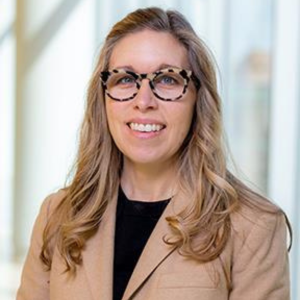
The virtual primary care team consists of three advanced practice providers (APPs) and physician medical director Katherin Compton, DO, senior instructor of family medicine. This clinical service utilizes faculty from multiple departments at the School of Medicine, including the Department of Medicine and the Department of Family Medicine, aiming to advance primary care across Colorado.
The VPC program is a partnership with UCHealth and their Virtual Health Center, which was established in 2016. Utilizing UCHealth’s operational backbone, the virtual primary care team functions as an extension of CU Anschutz’s 15 primary care clinics, helping to support their patients and provide expanded services.
Since its launch in April, the CU Medicine Virtual Primary Care team has already seen more than 1,500 patients.
“That milestone has definitely shown the need and the community desire to have a service like this,” Stenehjem says.
Making care more accessible
The intent of the VPC services is twofold: to offer a primarily virtual primary care practice to patients who need it, and to provide a virtual option for patients who have a last-minute need that is unable to be addressed by their in-person primary care team. When a patient needs to see a clinician within a 24-48 hour time period, they can utilize the virtual primary care team for timely and efficient care, often preventing a visit to urgent care or the emergency department.
For a smaller group of patients, the program functions as their main primary care experience.
“There is improved access to care and it’s easier for patients in rural or underserved areas to reach a clinician,” Compton says. “It also expands access for those with mobility issues, transportation barriers, caregiving responsibilities, and populations who might otherwise delay care.”
Appointments can often be scheduled more quickly and with greater flexibility, including after hours and on weekends. Another way the VPC program supports CU Anschutz’s clinics is by seeing new patients whose initial visits are weeks or months away and helping them get established.
Virtual care appointments can be scheduled online through a patient’s MyHealthConnection account, or directly through CU Anschutz clinics.
Stenehjem also notes that the team is leveraging tools that advanced during the COVID-19 pandemic, when medical professionals were forced to provide care virtually. Many patients expressed that they preferred their virtual care experience to a traditional visit.
By providing an opportunity for virtual primary care more broadly as a support to and extension of their clinics, the VPC team hopes to improve health care for as many Coloradoans as possible.