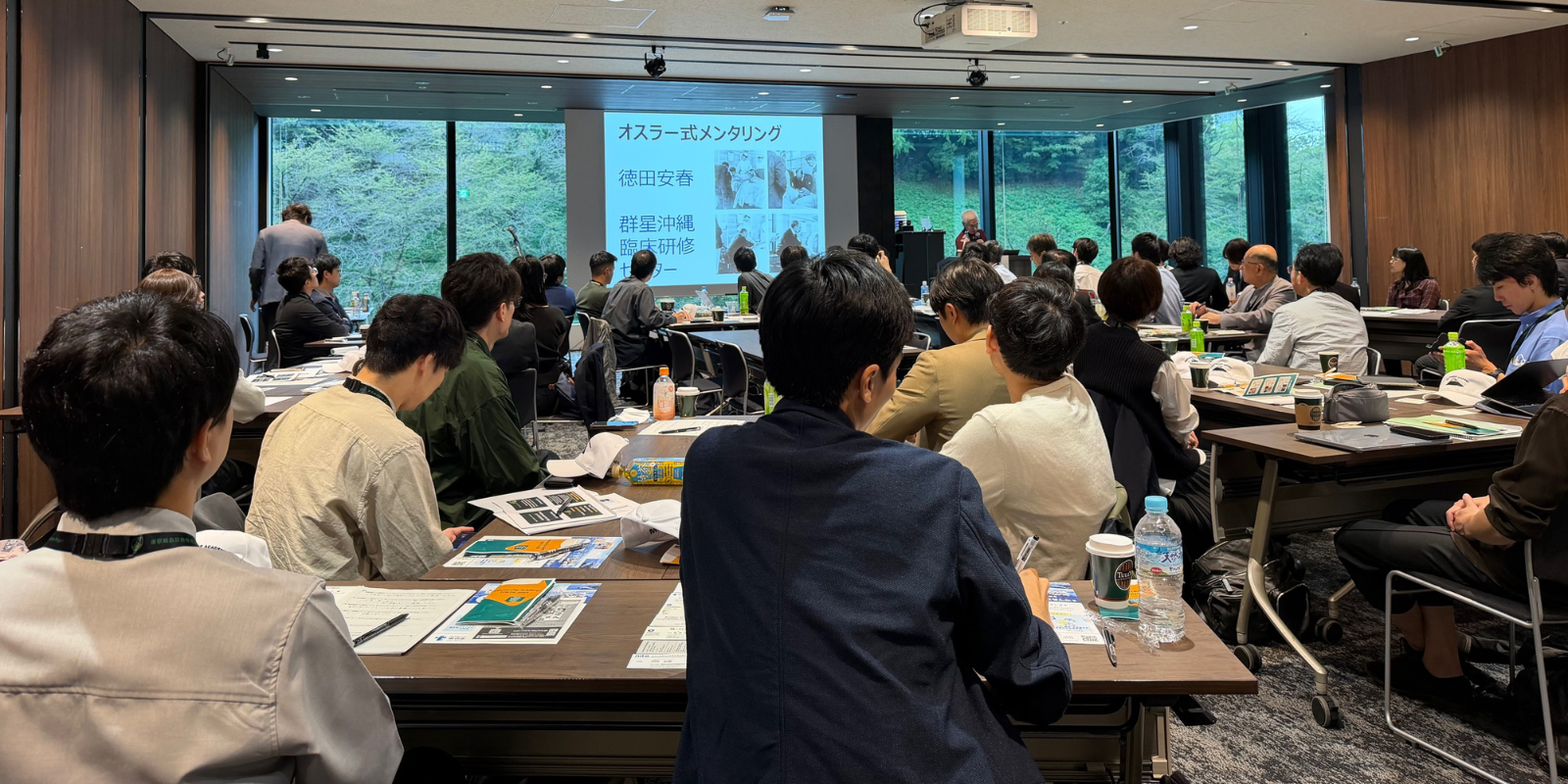
In mid-October, 70 medical residents, faculty, and leaders from hospitals across Japan came together in Tokyo for one day of intensive learning on the art of mentorship.
It was the first time Mentorship Academy — a workshop for academic medicine faculty and trainees that provides insights and real-world applications for developing successful mentorship practices — was hosted outside of the United States since its inception in 2017.
The idea sparked after Vineet Chopra, MD, MSc, chair of the University of Colorado Anschutz Department of Medicine, invited a group of leaders and hospitalists from Japan to attend last year’s Mentorship Academy, held at CU Anschutz and co-hosted by the University of Michigan Department of Surgery. Throughout the day, as the group of international attendees listened to a variety of presentations on how to become better mentees and mentors, it became immediately apparent to them that the academy’s insights and takeaways would be useful for faculty back home.
“We decided to bring Mentorship Academy to Japan because we believe it represents an essential educational model for developing the structure of hospital medicine education in Japan,” says Shintaro Kosaka, MD, one of the organizers of this year’s event and a hospitalist at Tokyo Metropolitan Hiroo Hospital.
A growing need for an emerging specialty
The concept of hospitalists — physicians who specialize in the care of hospitalized patients — is slowly gaining traction in Japan. Traditionally, Japanese hospitals relied on specialists or general internists to manage inpatient care, often without a distinct hospitalist role.
Inspired by the U.S. hospitalist system, several medical centers and hospitals in Japan have since created their own programs, prompting a need for mentorship support for faculty who are entering a practice of medicine with different concepts and workflows than they may be used to.
Recognizing Mentorship Academy’s potential to provide support for this growing specialty, the Tokyo Generalist Alliance Project — a group of physicians working to advance the prevalence of hospital medicine divisions and practitioners across the country — brought the concept to Japan with financial support from the Tokyo Metropolitan Government.
They designed the event for those who hold, or will hold, key roles in developing mentorship structures and leadership pipelines within hospitals. This purpose was reflected in the event’s central theme, “Understanding and Practicing Mentorship and Menteeship.”
“The event served both as a kick-off meeting for institutions implementing mentorship programs across Japan and as a platform to deepen understanding and practice of mentorship and menteeship,” Kosaka says.
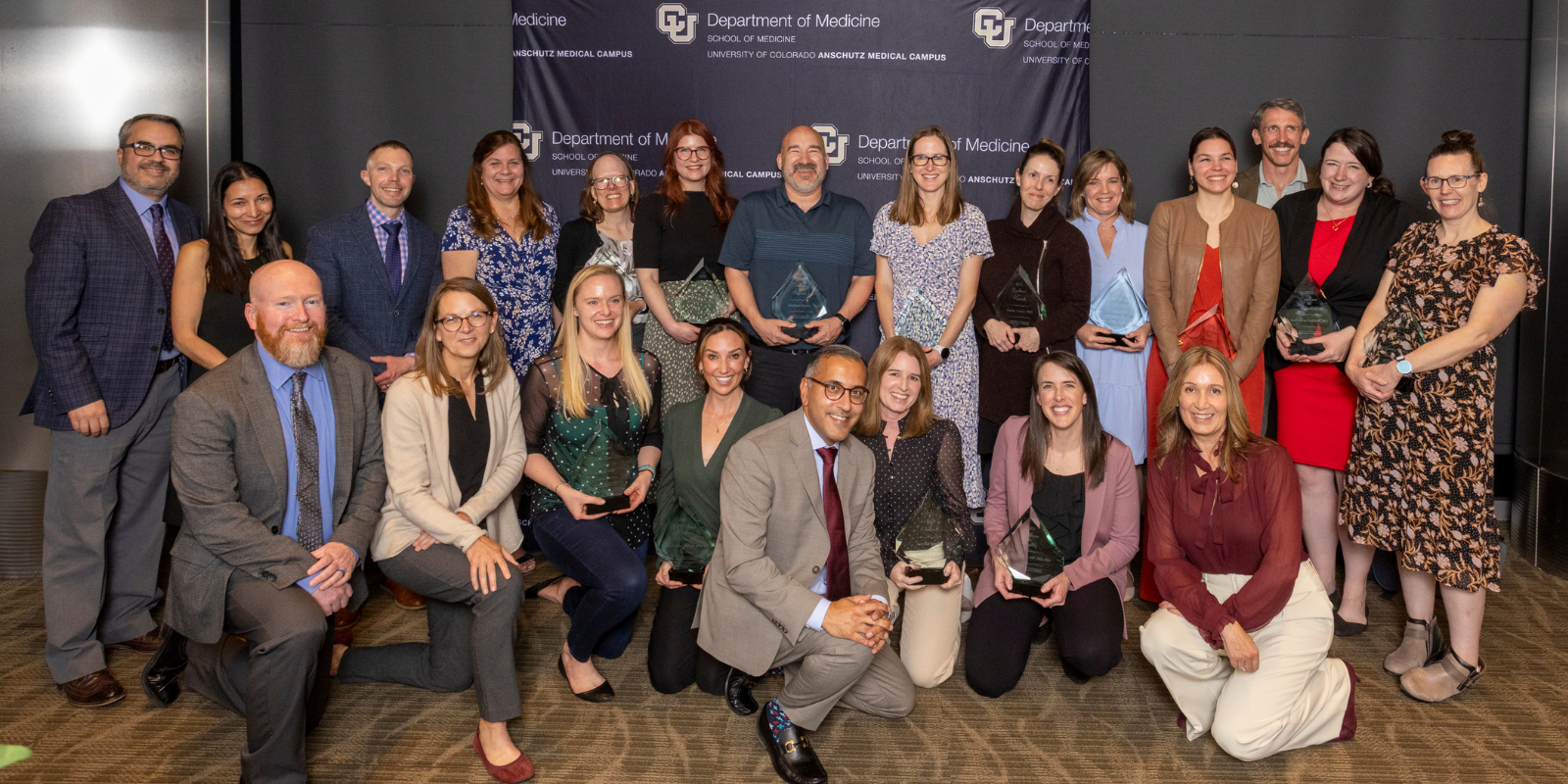
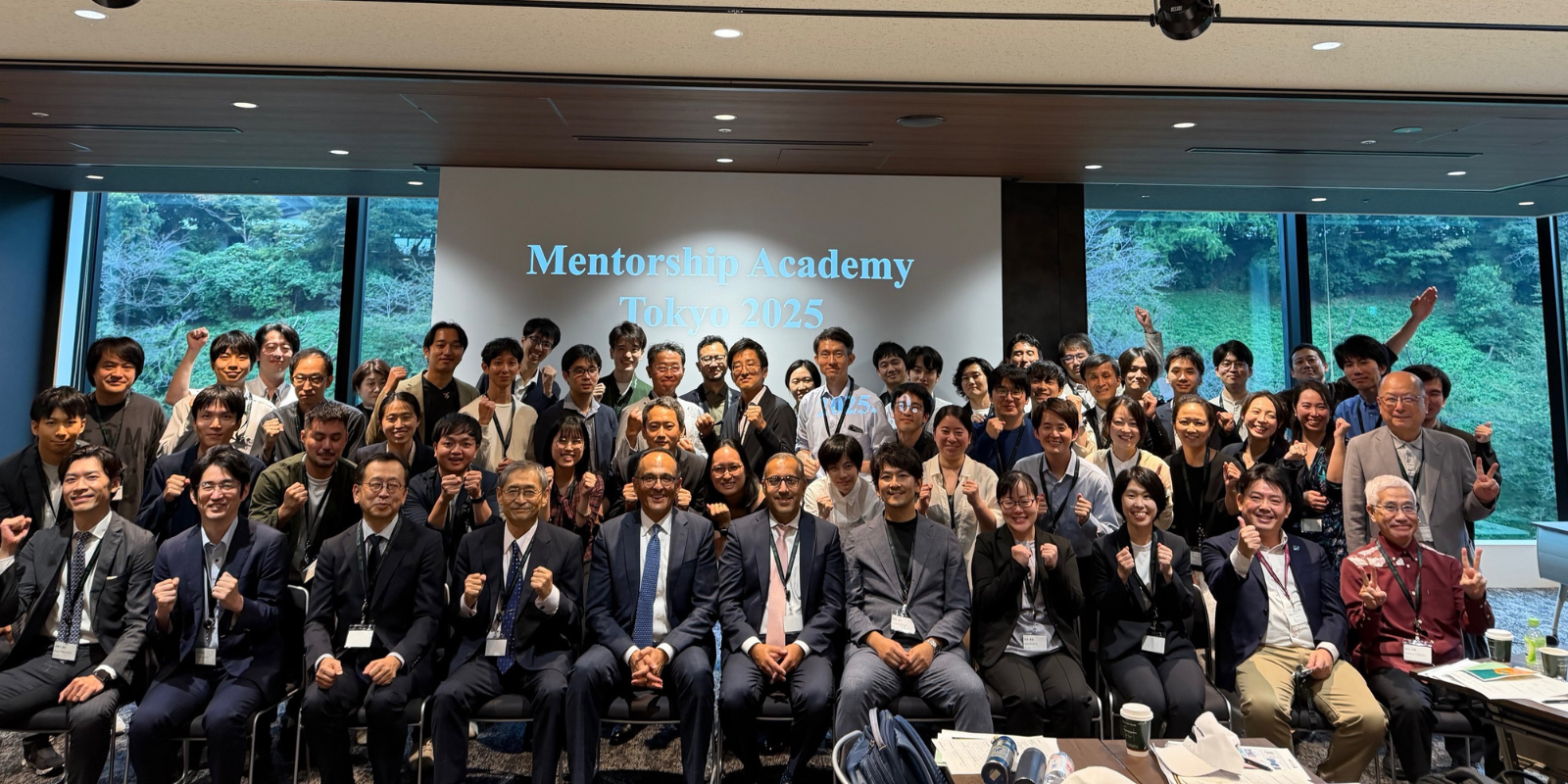 Sanjay Saint, MD, MPH, and Vineet Chopra, MD, MSc (center front row), smile with attendees during Mentorship Academy in Japan.
Thought leadership spanning continents
Several leaders from CU Anschutz, the University of Colorado Hospital, and the University of Michigan were invited to present at Mentorship Academy in Japan.
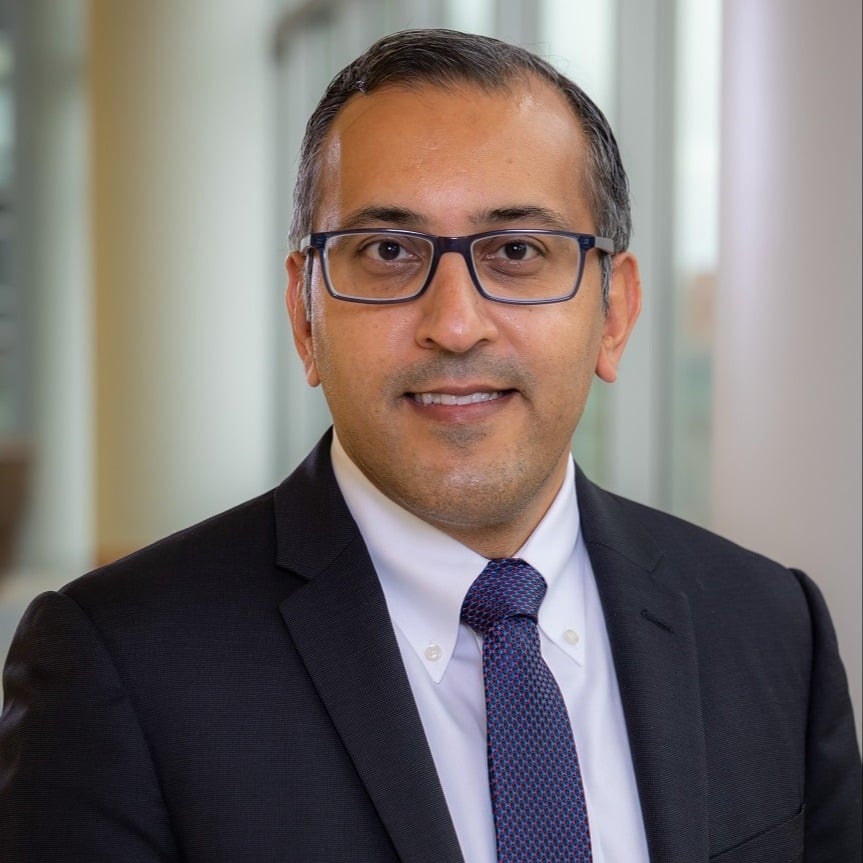
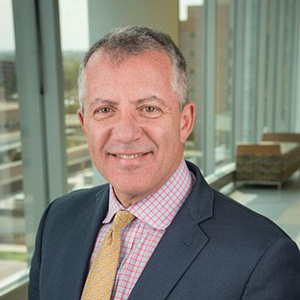
Chopra and Sanjay Saint, MD, MPH, professor of internal medicine at the University of Michigan and chief of medicine at the Ann Arbor Veterans Affairs Medical Center, led highly interactive sessions that combined lectures and small-group discussions on the nature of mentorship.
Richard Zane, MD, chief medical and innovation officer at UCHealth and former chair of the CU Anschutz Department of Emergency Medicine, presented on leadership and mentoring in emergency care. His presentation highlighted his takeaways from leadership in a highly dynamic, fast-paced setting, and he encouraged attendees to lead with clarity and simplicity to create a supportive environment that encourages feedback.
“I hoped to teach that not only is mentorship a core principle and attribute to a successful department, school, or organization, but that it is a key leadership principle,” Zane says. “Both being mentored and being a mentor is a core skill and attribute to leadership.”
The event concluded with seven presenters from Japan who provided real-world examples of mentorship in action — including topics from pediatrics, women’s career development, and hospital medicine.
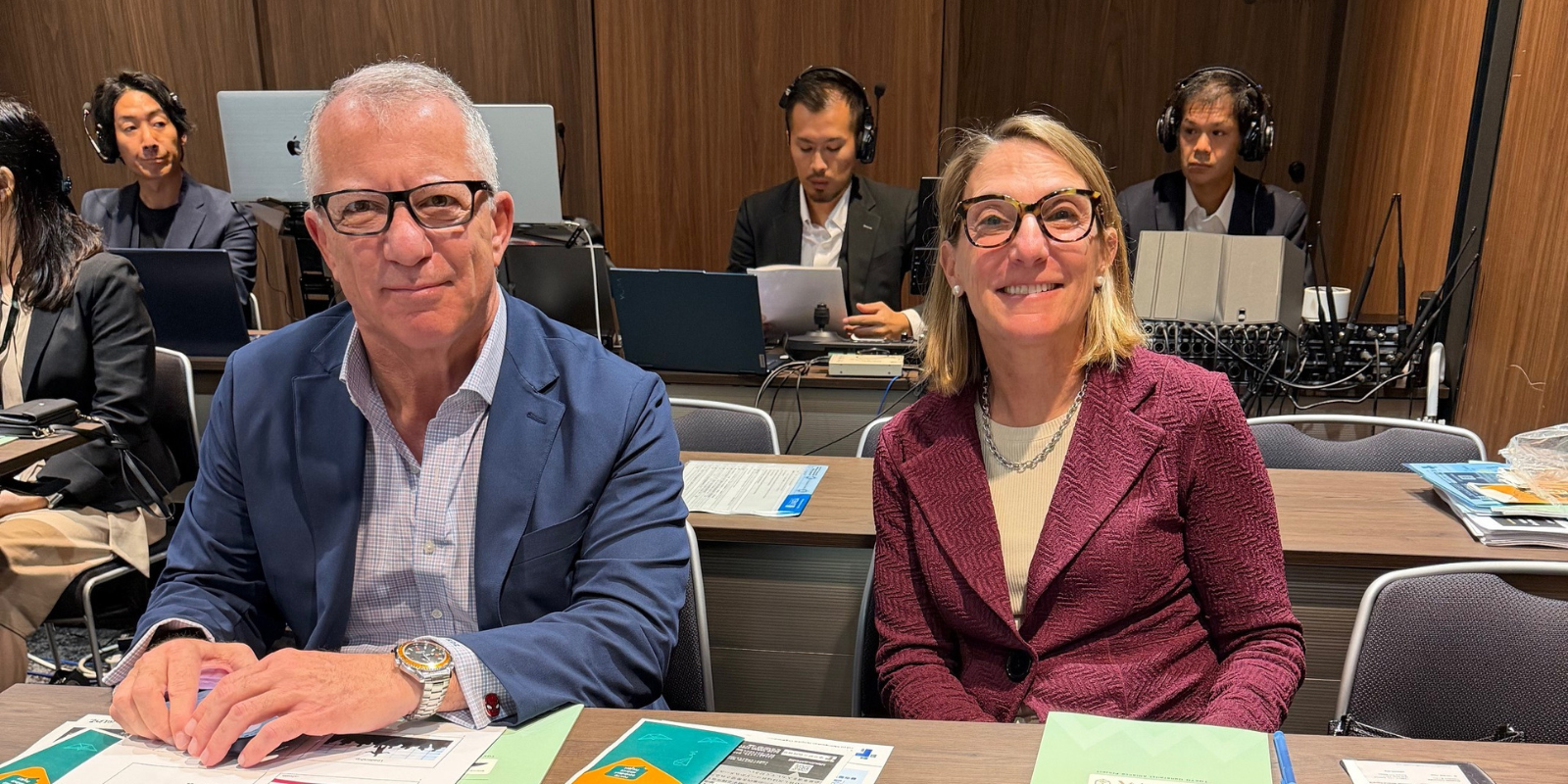 Richard Zane, MD, chief medical and innovation officer at UCHealth, and Liz Concordia, president and CEO of UCHealth, attend Mentorship Academy in Japan.
Bridging cultural approaches to mentorship
Beyond sharing best practices, the event inspired meaningful dialogue on how mentorship principles translate across different cultural and organizational landscapes.
“Mentorship in Japan and the U.S. differs largely due to differences in mindset and cultural background,” Kosaka says. “Japan, as an island nation with a more homogeneous and traditionally hierarchical culture, tends to have a closed and cautious approach, while the U.S., a society that brings together diverse people from around the world, fosters a growth-oriented and supportive mindset.”
This means that people in Japan are typically more comfortable with a top-down approach to coaching and leadership — where senior faculty provide one-way guidance — while Americans are more likely to approach mentorship as a partnership with a bi-directional sharing of ideas.
“This program offered an excellent opportunity for Japanese participants to reflect deeply on how to cultivate such a mindset — one that supports growth with compassion and positivity,” Kosaka says.
Although some institutions in Japan already practice mentorship effectively, wider dissemination remains a key challenge, making the adoption of events like Mentorship Academy an important offering to faculty across the country.
And despite cultural differences, Kosaka notes that there is one important similarity: faculty who become successful mentors in either country are those who embody and teach the principles highlighted during Mentorship Academy.
An eye toward expansion and adoption
Kosaka says participants shared that the program was extremely valuable and that they were motivated to implement mentorship practices in their own institutions. Attendees especially appreciated the practical sessions, the two-way exchange between Japanese and U.S. faculty, and the opportunity to network with colleagues from other hospitals.
Kosaka adds that this global collaboration is essential because it accelerates the development of excellent physicians and educators across cultures.
“Through shared learning and exchange, we can foster a mentorship culture that transcends national boundaries and strengthens leadership and humanity in global hospital medicine,” Kosaka says.