How do doctors decide which cancer treatment is the best option for a patient? Historically, physicians and cancer researchers have traditionally focused on concrete data points such as whether a treatment shrinks or controls the cancer or prolongs how long patients are alive. However, these measurements of success can leave out an important factor: the patient’s perspective, including how patients feel and function during and after cancer treatment.
Ajay Major, MD, MBA, a nationally recognized lymphoma specialist and assistant professor of hematology at the University of Colorado Anschutz Department of Medicine, brings patients to the forefront through a type of research known as patient-reported outcomes.
“This research is a methodology to study how patients experience different aspects of cancer care, and these measurements come directly from the patient,” says Major, a member of the CU Anschutz Cancer Center and researcher at the Adult and Child Center for Outcomes Research and Delivery Science.
His investigations are comprehensive. In one project, he analyzed the quality of life of patients living with untreated chronic cancer. In other studies, he has investigated the financial costs and time burdens associated with receiving certain treatments. Major has gained national recognition for his work, including being selected to participate in a highly competitive yearlong training program through the American Society of Hematology. Though his research is diverse in scope, collectively, his findings will help clinicians better inform patients and tailor their treatment approach.
“Accurately and systemically measuring patients’ symptoms and their quality of life is vital to making sure we can take care of patients in a way that values their goals in life and their preferences,” Major says. “That's the big picture.”
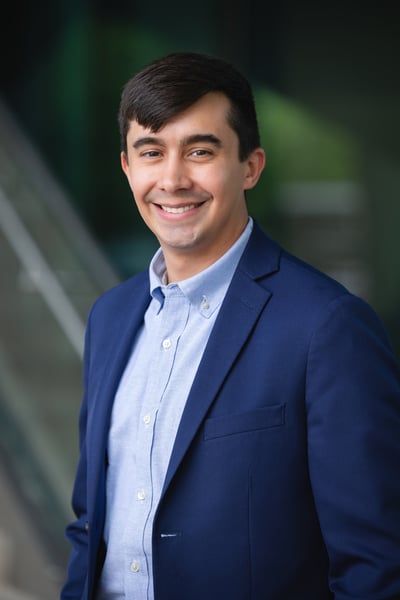
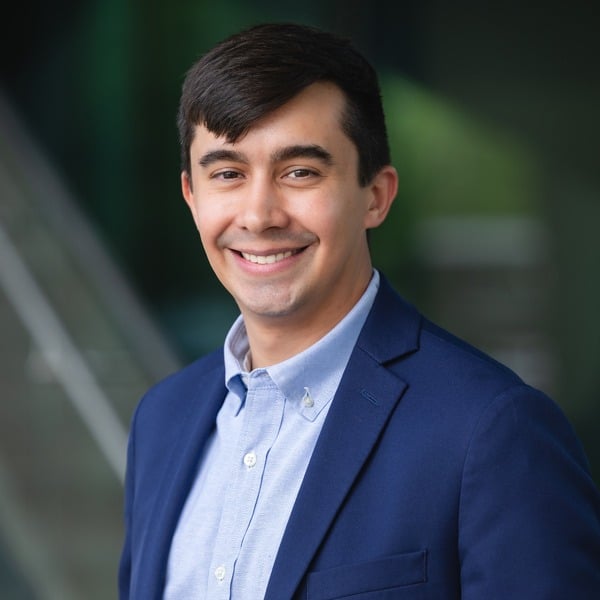
Ajay Major, MD, MBA, is leading critical research at CU Anschutz to improve the symptoms and quality of life of lymphoma patients.
The complexity of lymphoma
Lymphoma is a type of blood cancer of the immune system that occurs when white blood cells develop genetic changes or genetic mutations, causing them to start growing and multiplying out of control. There are more than 80 types of lymphoma, Major explains. This diversity underscores the value of personalizing treatment plans to the individual patient and their needs.
“As an academic specialist in lymphoma, many patients come to me to make sure we have the right diagnosis of lymphoma,” he says. “I collaborate with hematologists, pathologists, and radiologists to provide the best care to patients. You meet patients at different points in their journey with cancer. Navigating their needs is one of the most fulfilling parts of my job.”
Major cares for patients with all different types of lymphoma, including lymphoma survivors, to ensure their long-term needs are met. He specializes in the management of indolent or slow-growing lymphomas, where a main priority is a patient’s quality of life.
“Slow-growing lymphomas are similar to chronic diseases where we focus on making symptoms better. At what point are symptoms significant enough that a patient needs treatment, and what are the potential side effects of treatment? How do we balance that? It takes long-standing, collaborative relationships with patients to make those decisions,” he says. “The other half of my job is helping patients get curative treatments for more aggressive types of lymphoma, which requires a lot of coaching patients through treatments that can cause more severe side effects.”
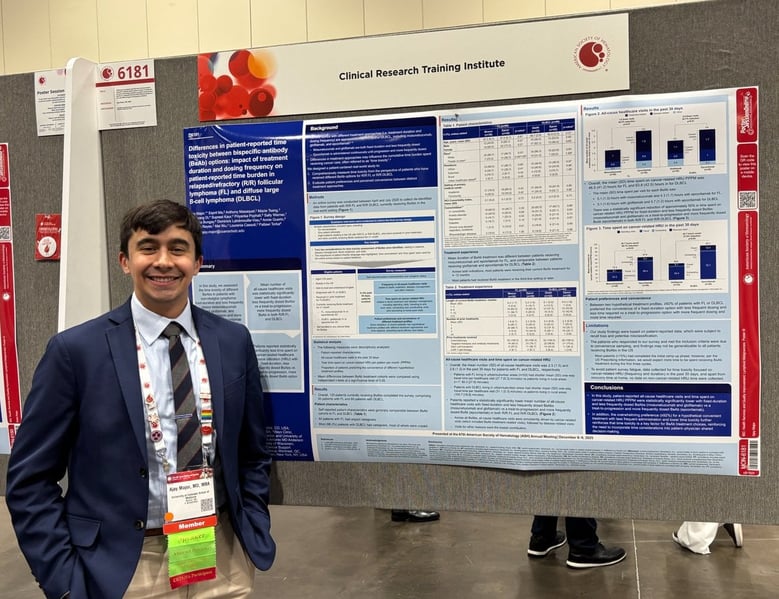
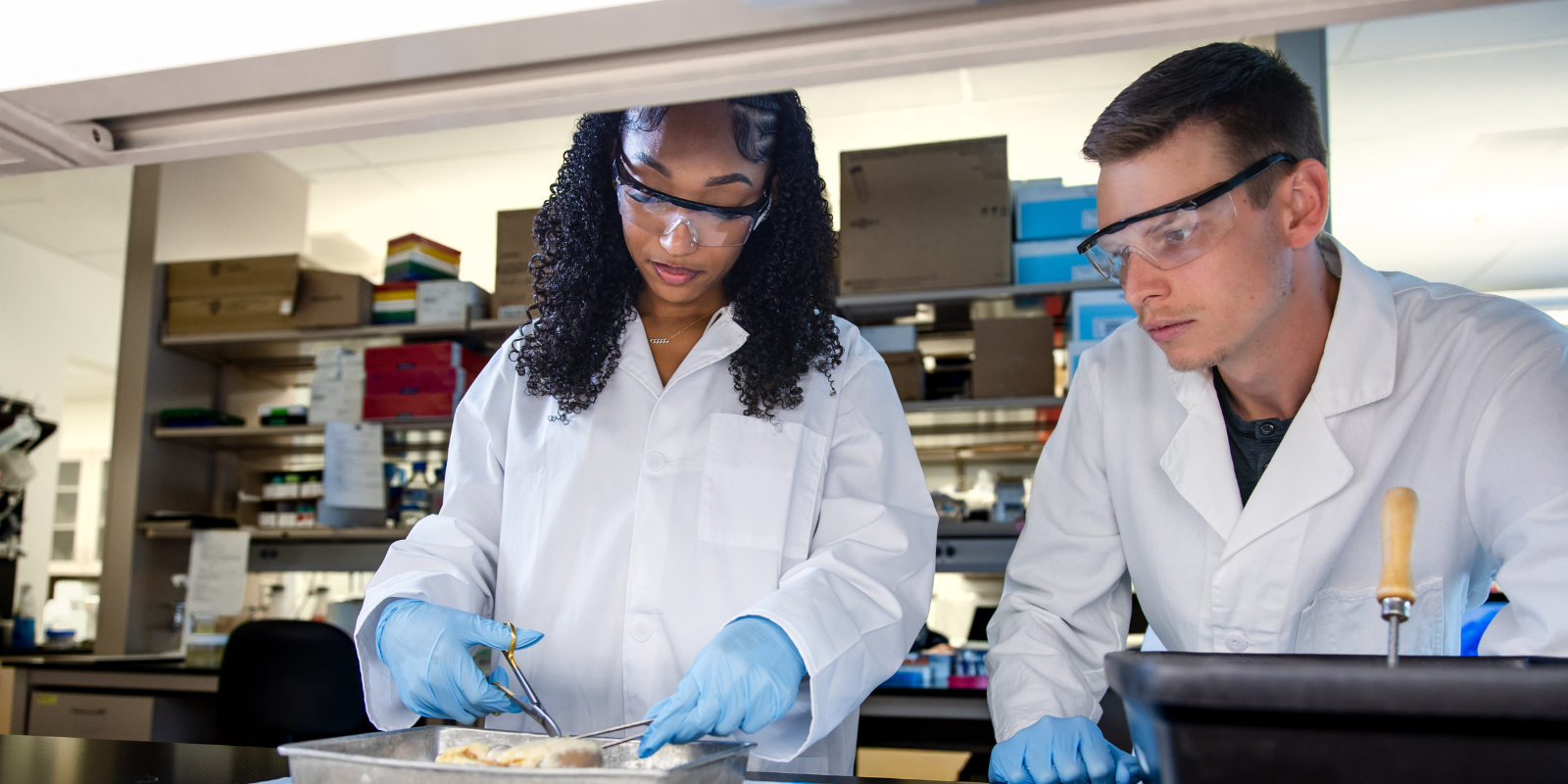
Ajay Major, MD, MBA, presenting a patient-reported time toxicity study at an American Society of Hematology conference in 2025. Image courtesy of Major.
An unexpected path
Major discovered a passion for hematology as an internal medicine resident at CU Anschutz, where he met Manali Kamdar, MD, a professor of hematology and clinical director of lymphoma services. Kamdar is leading pivotal work on groundbreaking treatments for lymphoma patients.
“I was right on the cusp of witnessing some of these novel, innovative treatments for lymphoma,” he says. “Seeing Dr. Kamdar and her work helped me realize that not only can I help cure patients, but I can also build long-standing relationships with patients who have slow-growing lymphoma.”
In fellowship training at the University of Chicago, Major learned about patient-reported outcomes research from one of his mentors, Fay Hlubocky, PhD, MA, CCTP. When the COVID-19 pandemic led to shutdowns and limited research opportunities in 2020, Major decided to conduct a research project that surveyed patients with a chronic type of lymphoma called chronic lymphocytic leukemia (CLL), specifically patients who received pill treatments.
“In my clinic, I noticed a lot of the patients taking pill treatments said it was somewhat expensive, and some patients were experiencing side effects. Many of these pill treatments are designed to be taken for long periods of time, potentially for a patient’s entire life,” Major says. “I designed a study to really ask patients about their quality of life, their symptom burden, their medication adherence, and their financial well-being.”
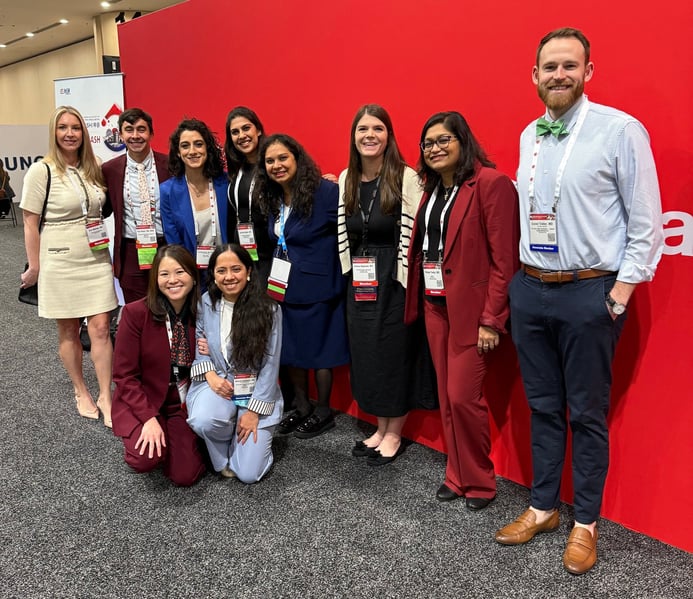
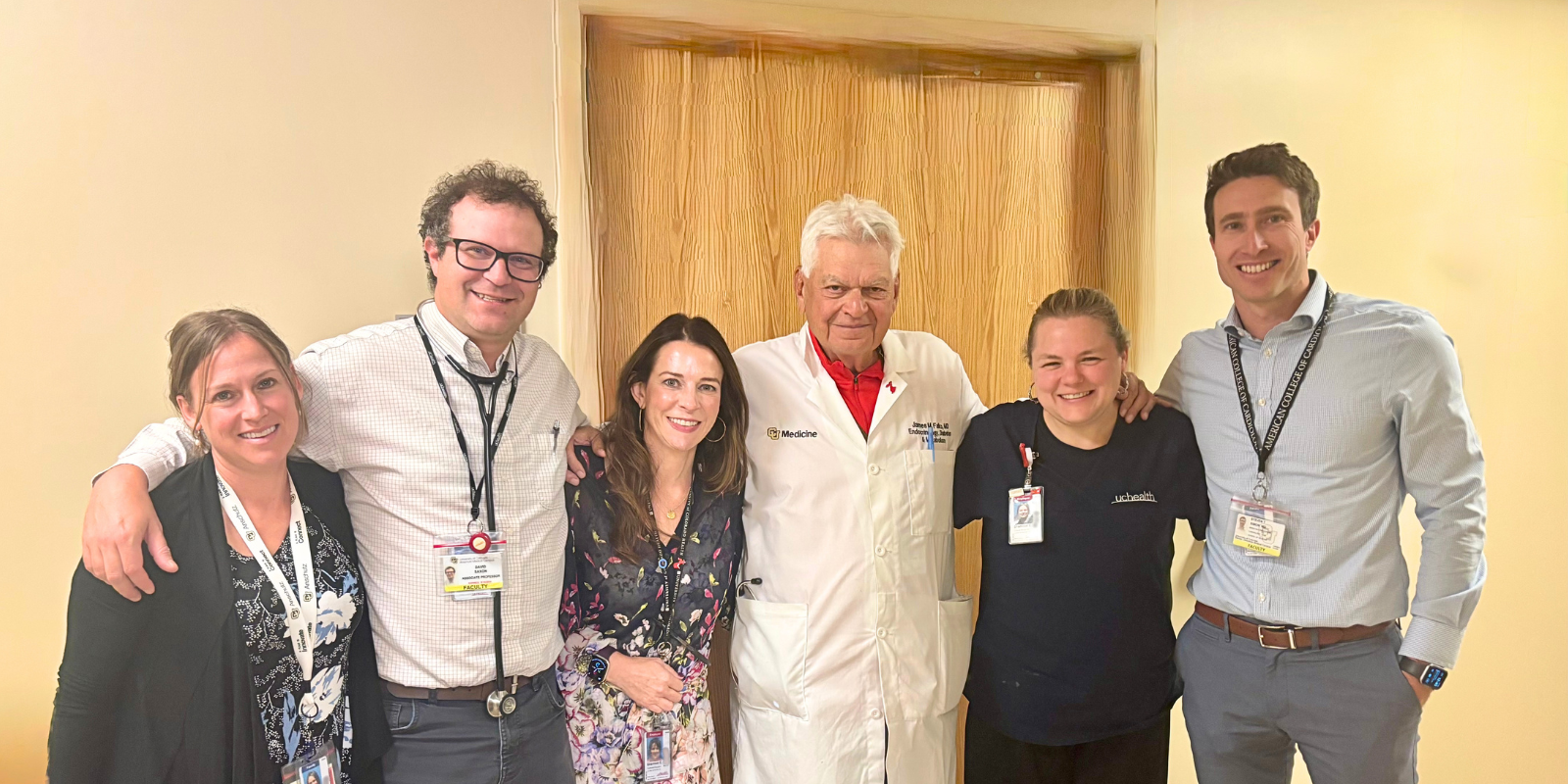
Ajay Major, MD, MBA, smiles with other Lymphoma-Translational Health Outcomes Researchers at an American Society of Hematology conference in 2025. Image courtesy of Major.
Making ‘instrumental’ discoveries
It marked the first of many studies Major has conducted to improve understanding of how cancer can impact patients’ lives. Another study, for instance, examined the quality of life of patients who are on “active surveillance” or “watch and wait” for chronic lymphomas, meaning clinicians are monitoring a patient’s cancer rather than treating it.
“Many patients with these chronic lymphomas do not have symptoms when they see me in the clinic, because they’re often diagnosed accidentally. A person gets blood work done or a CT scan for a separate reason, and that is how the cancer is discovered,” he says. “Because patients live for decades with these cancers, we don’t treat these diseases until patients develop symptoms or problems from their lymphoma.”
In these cases, many patients ask Major what their quality of life will be, given that they are living with a cancer that is not being actively treated. It led him to conduct an analysis of a database of patients with lymphoma at the University of Chicago who were under active surveillance.
“We discovered there was not a worsening in their quality of life over time,” Major says. “As a matter of fact, compared to the general population who do not have cancer, many of these patients actually reported a better quality of life. I believe this is because for many patients, when they are diagnosed with cancer, it motivates them to take better care of themselves.”
Those findings were “instrumental,” Major explains, because it provided him with useful information to share with future patients facing similar concerns.
“This type of research allows us to not only learn how treatments affect patients — but also how the disease itself affects them,” he says. “We are using quality-of-life measures and patient-reported outcomes as a methodological tool. Measuring patients’ well-being and their functioning at all aspects of their cancer journey will eventually help us design interventions that better support patients.”
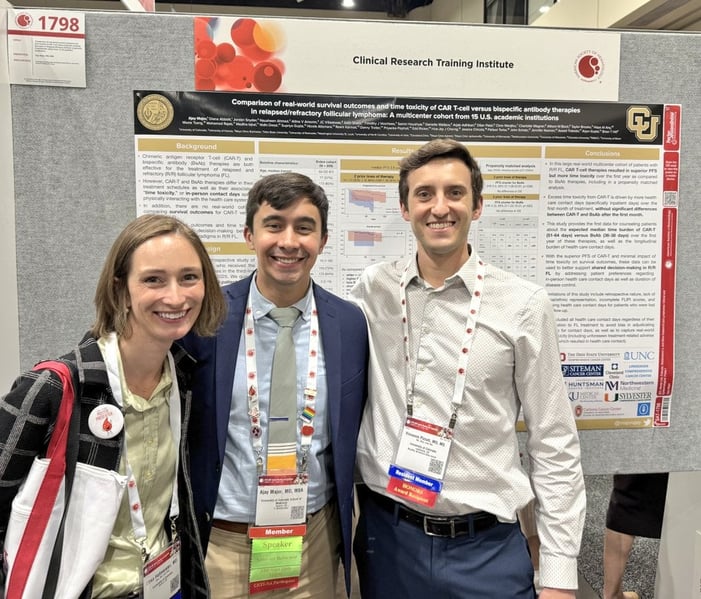
Ajay Major, MD, MBA, center, smiles with CU Anschutz internal medicine residents Elisa Hofmeister, MD, and Vinny Pizzuti, MD, MS. Image courtesy of Major.
A wide scope of research, from treatment tolerability to time toxicity
In his current work at CU Anschutz, much of Major’s research focuses on the treatment tolerability of medications, as reported directly by patients, and the long-term effects of cancer and different treatment approaches on quality of life.
In July, he published a study characterizing the quality of life of patients over two years after they received CAR T-cell therapy, a type of immunotherapy that genetically changes patients' immune cells so they can identify and destroy cancerous cells. The study, which was done in collaboration with the University of Chicago and ACCORDS at CU Anschutz, provides useful insights to help clinicians educate patients about both the short- and longer-term effects of CAR T-cell therapy.
Major also studies different types of toxicity associated with treatments. One type is financial toxicity, which refers to the financial impact cancer patients experience beyond traditional metrics like out-of-pocket costs.
“Just looking at out-of-pocket costs does not capture some of those psychosocial and psychological domains of financial toxicity,” Major says. “In an upcoming study with one of my trainees, we found that even patients who are not being actively treated will have some impact on their financial well-being. They still have to come into the clinic every few months, and a cost is associated with that.”
It’s also important to consider time toxicity, Major explains, which is the time it takes for a patient to receive a treatment and how that impacts their ability to do other things. He recently published a study in The Oncologist journal comparing the time toxicity reported by lymphoma patients who received one of three different drugs. In the future, Major strives to develop better ways for researchers to systematically measure time toxicity that is reported by patients.
“We need ways to do this efficiently, effectively, and accurately, because there continue to be new drug options available to patients with blood cancer,” he says. “There are pros and cons to each option. Understanding those trade-offs allows us to better counsel patients about what treatments they may want to pursue.”
Patient-reported outcomes are becoming more embedded into the medical system, Major explains. For example, at the blood cancer clinic at CU Anschutz, patients are asked to fill out quality of life surveys each week while receiving treatment. If a patient reports worsening or severe symptoms, an alert is automatically sent to clinicians so that a member of the care team will contact the patient.
“Research suggests these remote monitoring tools actually may improve the outcomes of our patients because we’re able to detect these symptoms in between clinic appointments,” he says.
‘The real goal is to personalize medicine’
One of Major’s long-term goals is to blend his research and patient care by finding ways to use patient-reported outcomes tools to make decisions in the clinic. Eventually, he hopes to have access to enough patient-reported outcomes data so that he can select an ideal treatment for a patient based on their reported pre-treatment quality of life as well as their treatment goals.
“In order to do that, we need to find the right instrument, when to administer it, and assess how it impacts patients’ quality of life over time,” he says. “I aim to discover if certain treatments may work better than others for particular symptoms.”
For example, many patients with slow-growing lymphoma will develop fatigue. Anecdotally, Major knows that offering these patients certain cancer treatments can help reduce that fatigue and improve quality of life.
“But I want to be able to scientifically measure it and have concrete data to show patients why I believe they’d benefit from a medication,” he says. “With my research, I want to prove that what we see is a real phenomenon.”
Ultimately, Major’s work has reinforced to him that “capturing the patients’ perspective and experience is critically important.” In nearly all his studies, he tries to involve patients in the design process and analysis of results.
“At the end of the day, all of our patients with cancer not only want to live longer — they want to live better,” Major says. “The real goal is to personalize medicine using patient-reported outcomes to customize treatment regimens based on a patient’s underlying symptoms and their quality-of-life concerns. And I believe we’re almost there as a field.”