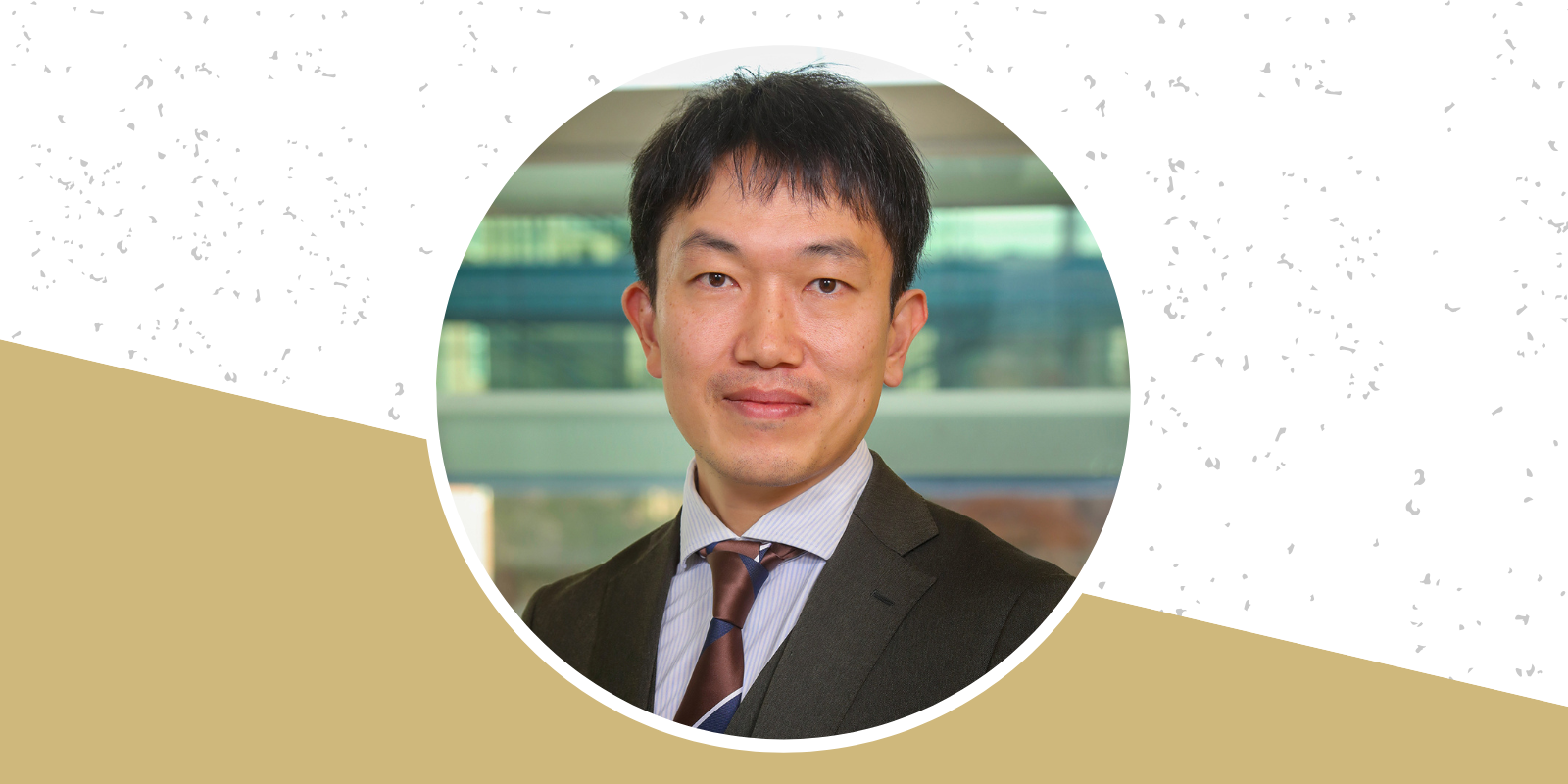


Aimee Gardner, PhD, professor of GI, trauma, and endocrine surgery in the University of Colorado Department of Surgery, has been elected president of the Association for Surgical Education (ASE) for 2025-26. Based in Los Angeles, the Association for Surgical Education is a global community of surgeons and educators leading innovation, scholarship, and professional development in surgical education.
“As president, I oversee all the work of about 15 different committees and task forces that are working on innovation and scholarship in the surgical education space,” Gardner says. “I work with those chairs to make sure that the work their committee is pursuing aligns with the organization’s strategic plan and is answering the needs of the larger surgical education community. Part of my role also is to partner and coordinate with other relevant societies, including the Association of Program Directors in Surgery, the American College of Surgeons, and the American Board of Surgery, to make sure we're coordinating efforts and continuing to work toward promoting excellence and innovation in the surgical education world.”
Hands-on training
Gardner, who also serves as associate dean for faculty development in the CU School of Medicine, says surgical education can differ from education in other medical specialties due to its hands-on, procedural nature in a high-stakes and fast-paced environment.
“The culture within surgery is such that it is expected that any new initiative must be evidence-based and pragmatic,” she says. “Everyone has busy schedules, and that's why it can be especially fun and challenging to implement faculty development, for example, within the surgical space, because you get very quick feedback on the success of new ideas and projects. Everything has to be very pointed and align with needs within the actual workspace and schedule of the community.”
Gardner says surgical education endeavors span multiple levels, including residents, fellows, medical students on surgery rotations, and medical students interested in careers in surgery.
“There’s also a strong faculty development focus within the ASE,” she says. “ASE has a focus on continued professional development, including a surgical education research fellowship, a surgical educational leadership fellowship, a midcareer course, and courses focused on surgical simulation and ethics in surgery.”
Local connections
Gardner will host a strategic planning retreat for other ASE leaders in Denver in July; though most of her work on behalf of the organization takes place on a national level, she says, her new position will offer some advantages to the CU Department of Surgery.
“We will have unique access to different opportunities and multi-institutional collaborations, and at the annual meeting next year, we likely will have a good deal of representation from members of the CU surgery department, in terms of workshops and podium presentations,” she says. “It will also be a good venue to showcase some of the cool stuff we're doing here at CU from the faculty development side.”
That includes a new program, recently accepted for publication in the journal Medical Teacher, that uses AI-powered avatars to allow faculty members to develop their skills in delivering feedback to trainees.
“We consistently receive requests from across campus to help faculty with their feedback skills,” Gardner says. “We know that people don't want another workshop or lecture around delivering feedback — we need to give them hands-on skills.”
Leading the way
In general, Gardner says, surgical education is leading the way in medical education, testing technological solutions that are making their way into other specialties as well.
“Surgery is leading the way in making sure that there are lots of intermittent and authentic assessments of our learners when they're actually in the clinical workspace, so we're getting lots of data points,” says Gardner, who also serves as director of the Academy of Medical Educators. “There are mobile apps and different technologies where right after a procedure, a faculty member can complete a quick evaluation on their phone. The need in surgery for very practical solutions has resulted in good advancement in terms of pragmatic solutions to some of these big problems.”