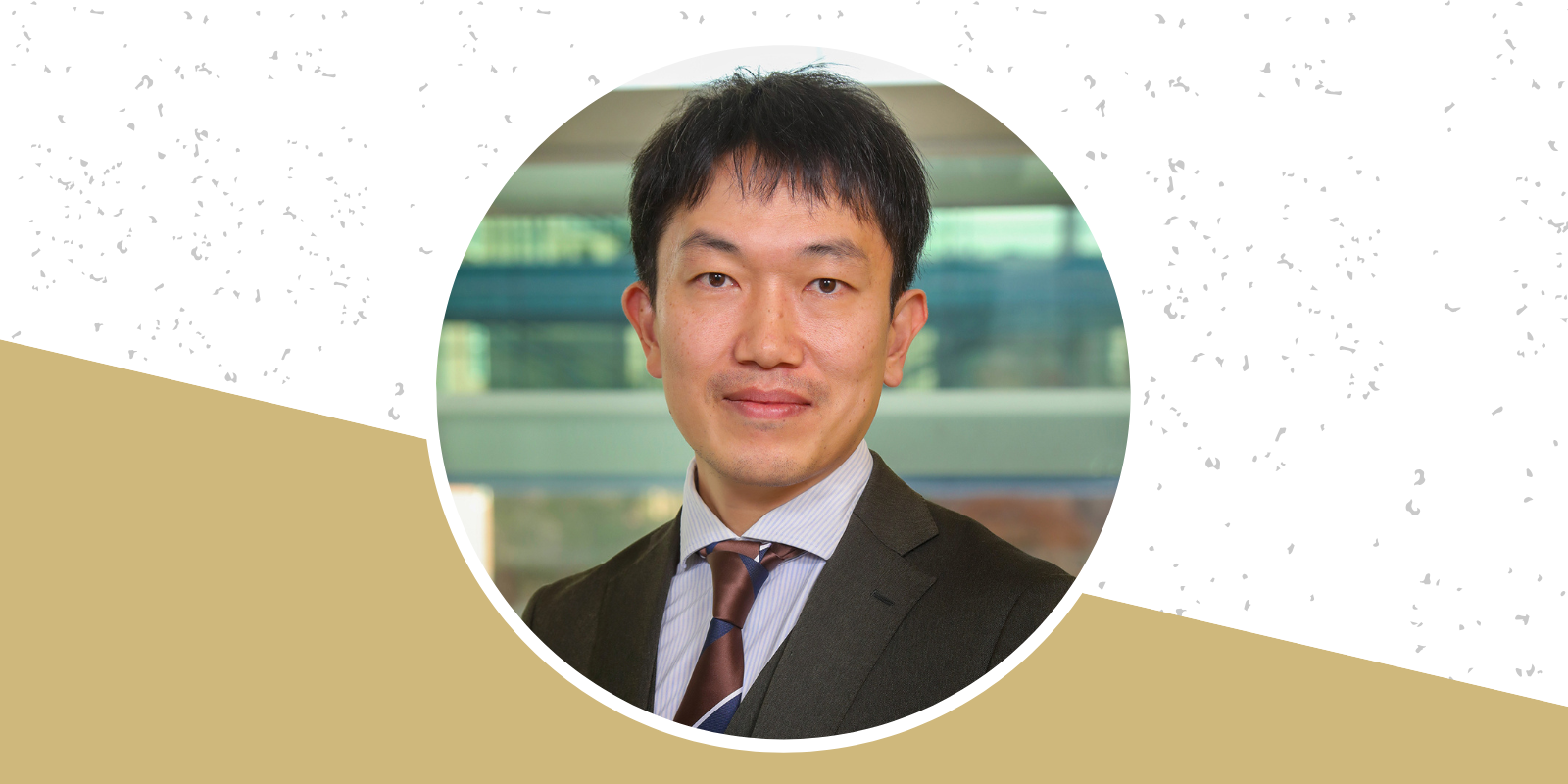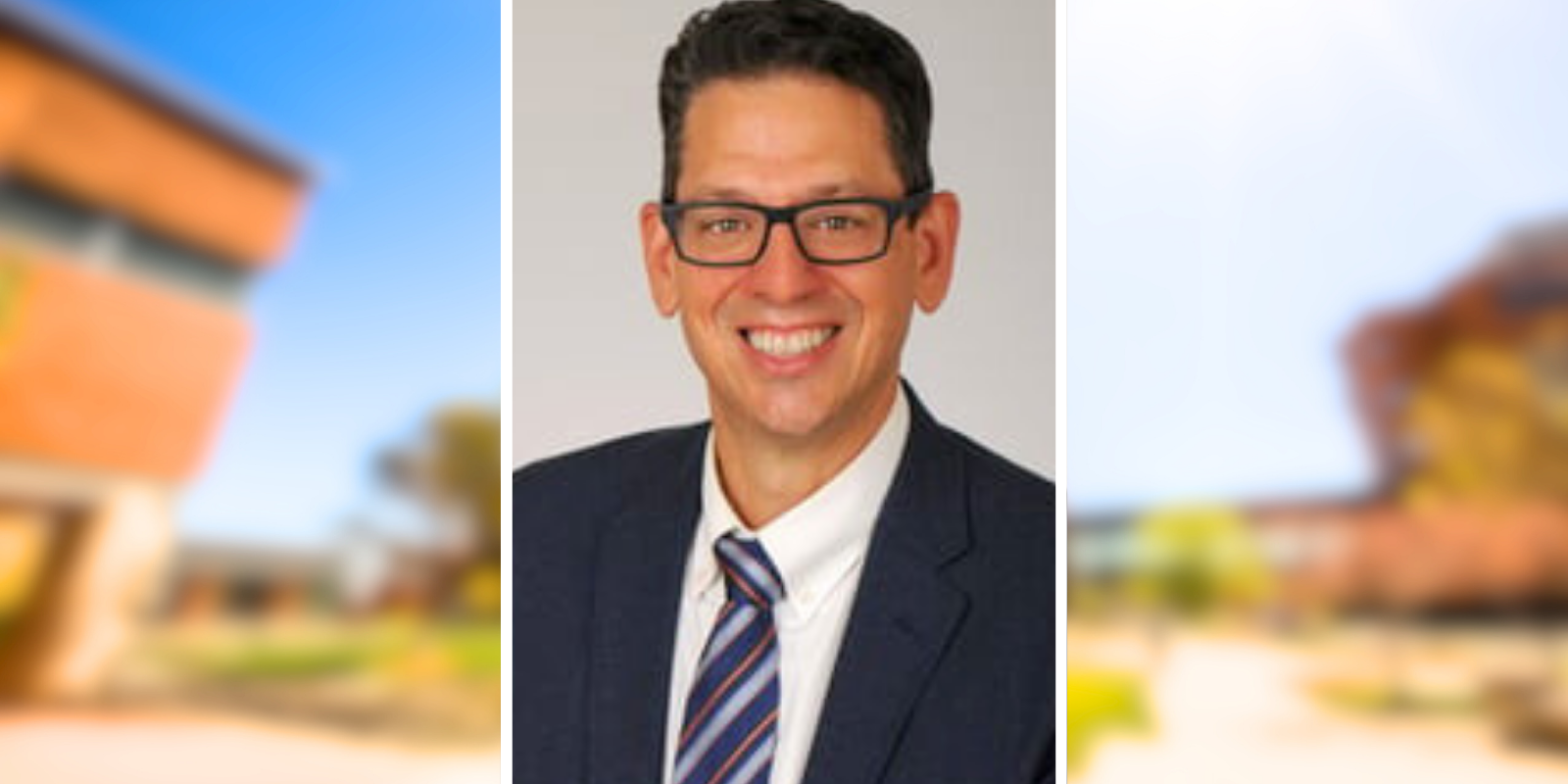
His early experience as a “NICU baby” set Robert Cina, MD, on the path toward his career as a pediatric surgeon.
“I was a NICU baby for the first three months of my life, and that is what drove me to medicine,” says Cina, new division head of pediatric surgery in the University of Colorado Anschutz Department of Surgery. “I was born about 28 weeks gestation, and once I learned what those doctors and nurses did for me, it really crystallized my decision to go into medicine.”
Switch to surgery
Cina attended medical school at Creighton University, intending to become a neonatologist, but he quickly developed an interest in surgery that led him in another direction.
“I fell in love with surgery, and then, during residency, I realized that pediatric surgery was the perfect marriage of the two fields,” he says.
Cina pursued general surgical training at Harvard Medical School and Boston Children’s Hospital, followed by a post-doctoral fellowship at Massachusetts General Hospital and a pediatric surgery fellowship at the University of Alabama at Birmingham. In 2008, he moved to Charleston, South Carolina, to begin his career as a pediatric surgeon at the Medical University of South Carolina (MUSC).
“When I came to Charleston, I realized we had amazing people and amazing facilities, but we didn't have the processes in place to utilize those two amazing resources,” he says. “I spent the majority of my academic career helping develop safer systems of care surrounding pediatric surgical patients, with a strong focus on outcomes and quality.”
At MUSC Children’s Health, Cina served as associate chief quality officer and professor of surgery. He has cared for the full spectrum of pediatric surgical conditions, with a particular focus on colorectal malformations. He led a quality improvement effort across three hospitals and over 10,000 annual procedures, helping MUSC achieve Level I ACS Children’s Surgical Verification.
As former president of MUSC’s medical staff and chair of the Peds NSQIP General Surgery Advisory Committee, Cina has advanced surgical standards nationally. He also is a committed educator and mentor, guiding trainees in quality research and fostering collaborative, mission-driven leadership.
“We're all lifelong learners, and there is value in the diversity of opinions that everybody brings to the table,” he says. “I encourage trainees to remain curious, because when you stop being curious, you stop learning. Curiosity is the most important thing to engender and encourage.”
Coming to Colorado
Cina says he is excited to bring his focus on quality and outcomes to the CU Department of Surgery and its partner institution Children’s Hospital Colorado.
“Children’s Colorado has such a focus on patient-centered care, and they do multi-disciplinary, high-quality patient care so well,” he says. “To combine that with the amazing strengths of the Anschutz campus and CU, in terms of education, innovation and research, it seemed like the perfect marriage of the two worlds. The Division of Pediatric Surgery is poised to take off, and I thought that this would be an opportunity for me to help elevate them and align their purpose and mission to improving the care of children in Colorado.”
Tweak the system
His first priority? Working to align systems with provider priorities to ensure that patients are the center of what we do.
“The most important thing to do as we look at delivery of care is to ensure that the providers are empowered to do what they love to do,” he says. “Systems are not always designed to do that, so that's been my goal. How can we make things easier for physicians and APPs to do the things they need to do? How do we increase collaboration between teams to deliver patient-focused care?
“From an academic standpoint,” he continues, “how do we ask the important questions to help elevate that care — take the problem in the clinic, bring it back to the drawing board, and think about it from either a basic science research perspective, a clinical outcomes perspective, or an innovation perspective? How do we make care better? That's my passion and my focus.”