
Ben Takes had no idea what was wrong with him when he showed up in the emergency room, swollen all over and barely able to breathe.
“I had started to retain water in ridiculous amounts — my calf was swollen, my stomach was distended, and I could barely move, because if I walked three feet, there was so much liquid pressing on my lungs that like I could barely breathe,” Takes remembers. “I couldn't even catch my breath laying down. It was a constant fight for oxygen.”
After a lot of testing, physicians eventually diagnosed Takes with heart failure — a condition where the heart doesn’t pump as well as it should, causing fluid buildup. After being treated and sent home with medication, things returned to normal — “it was almost like nothing happened,” he says. But around a year later, he started retaining fluid again, and the problem began to affect his kidneys.
“Unfortunately, the first thing to go when you have heart failure is your kidneys, because your heart has to pump all that blood through them to clean it,” he says. “It was affecting my kidneys and then my liver, and that’s when they told me I needed a heart transplant.”
Waiting for a donor
Takes was transferred to UCHealth University of Colorado Hospital — a partner hospital of the University of Colorado Anschutz Department of Surgery — in July 2025 to await the operation. He was kept under observation for two weeks and put on an Impella — a small, temporary pump that assisted his heart function. He then spent another week and a half on the waiting list until a heart became available.
“By the time my heart was available, I was just ready to just get it all over with,” says Takes, now 34. “I was excited to get it in there and start the healing process. The surgery was a big blur — I remember them taking me in, then I woke up at 9 p.m. and I had all these bandages on me. I was still kind of loopy. The first thing I told my nurse was, ‘I need food. I haven't eaten all freaking day. The snacks you guys have here are not gonna work.’”
National leader in heart transplant
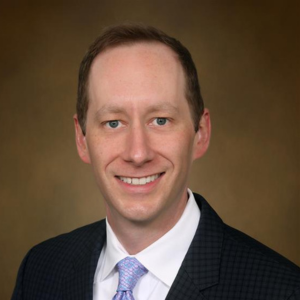
Takes’s transplant was performed by Jordan Hoffman, MD, associate professor in the Division of Cardiothoracic Surgery, who says Takes was right where he needed to be for the life-saving surgery.
“There are a lot of resources and a lot of time that go into a heart transplant,” he says. “It's very precise surgery and medication management to get someone to a place like this, and that's what sets UCHealth apart from a lot of other centers regionally. We have the resources to do this, and we are now a top 10 center in the United States for heart transplant. That means we do more heart transplants per year than every other center in the country, short of nine other centers.”
Still, recovery from a heart transplant isn’t easy, and Takes had good days and bad days over the next several weeks, as his body got used to a foreign organ. He will be on anti-rejection immunosuppressive drugs for the rest of his life.
On a new path
Takes had to return for regular labs and tests every couple of weeks immediately following his surgery, but now he’s down to one lab a month and a biopsy every two months. He recently got a part-time job in retail — his first regular job in nearly a year — but his transplant experience gave him a new long-term career goal: working as a nurse in a cardiac unit.
Takes is saving up for certified nursing assistant school and eventually hopes to get hired as a CNA at UCHealth, making him eligible for UCHealth’s Ascend Career program, which would help pay for him to go to nursing school.
“I made a lot of friends in the hospital, the CNAs and nurses, and I saw what they had to deal with every day,” he says. “I just want to be there to help all the nurses who were there for me.”
Taking ownership
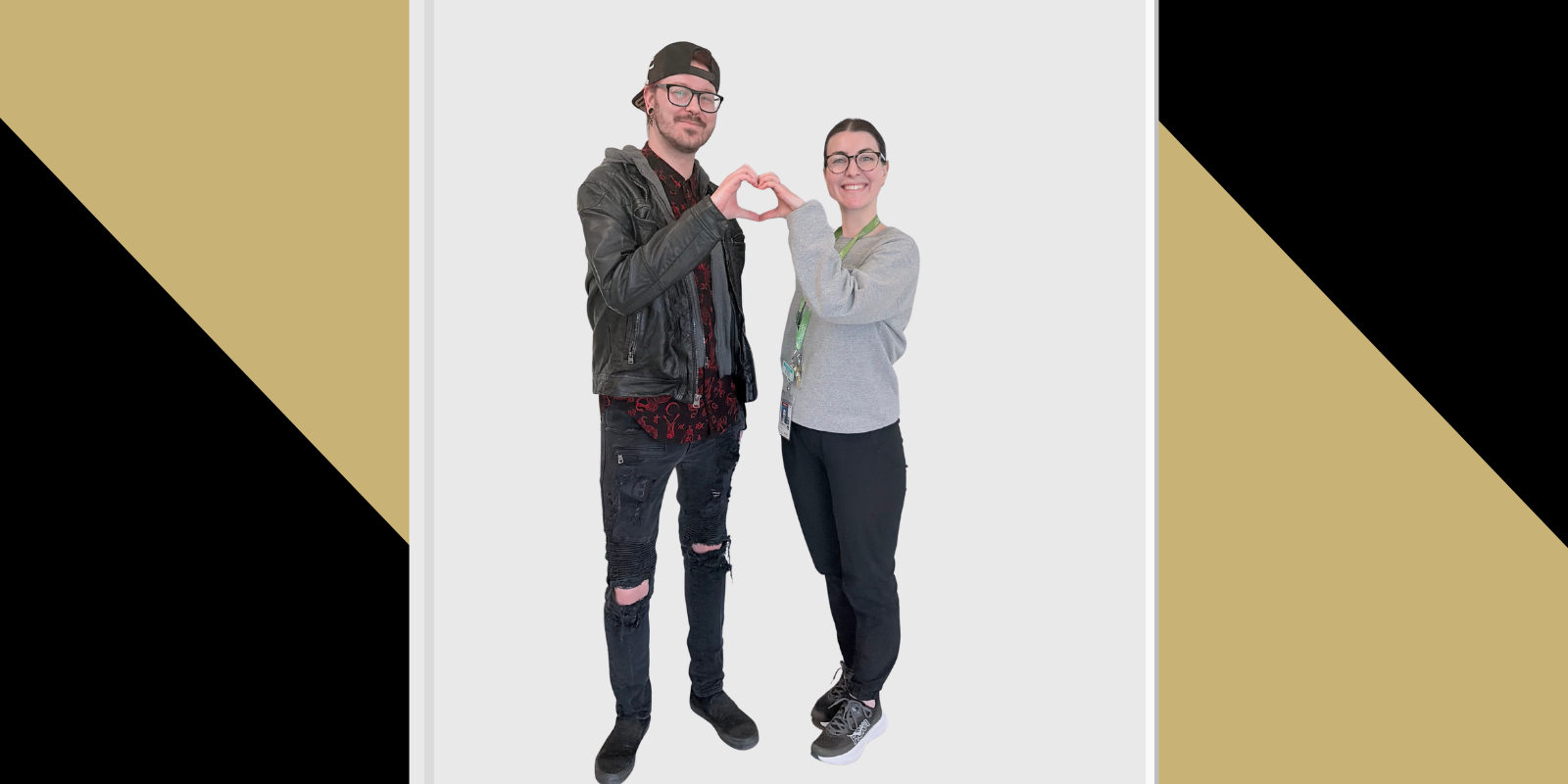
Another source of support for Takes while he was in the hospital was Emma Kirsch, a heart transplant social worker at UCHealth who helped Takes with the realities of a transplant operation, including financial resources, mental health, and coordination of community resources.
“She was my sounding board, and she helped me find quick avenues to be able to get on disability,” Takes says. “She also helped me with grants through the hospital so I could try to get my rent paid. My dad and I split the rent, but he's retired and is on a fixed income, so he wouldn't be able to cover it all. Emma helped me with grants, so my portion of the rent was paid by the hospital for a couple of months, which was really cool.”
Kirsch says it was rewarding to watch Takes go through the transplant process and come out the other side in some ways better than he was before.
“I think he had to come to a level of acceptance that he was sick and not invincible, and I think when once he got to that moment, there was this ownership that he took to hold himself accountable to take care of himself,” she says. “He ended some friendships that weren't benefiting him in this new era of his life. His dad has some health care battles as well, so Ben had to be pretty independent through the early part of his recovery. He persevered. He's never missed a clinic appointment, he's an excellent communicator, and he has amazing long-term goals.”
Better transplants — and how to avoid needing one
Hoffman says that though Takes’s case is slightly unusual due to his young age, he is one of hundreds of patients each year who benefit from advances in heart transplants.
“Our medications after transplant have gotten better. Our monitoring has gotten better. Our treatment of rejection has gotten better. The surgery is still the same, but a lot of things around how we manage donors, what kind of donors we can get a heart from — all that has also changed,” he says. “If you look at the survival of patients who get a heart transplant today versus five years ago, 10 years ago, 20 years ago, each year, you see better survival in the long term. We've learned a lot.”
To help avoiding needing a transplant or other treatment for your heart, there are things you can do to keep the organ healthy, Hoffman says.
“Eat healthy. Don't smoke or do drugs. Don't drink too much alcohol. Everything in moderation. And exercise. Those are the four main things you can do to prolong your heart health,” he says. “It’s also important to maintain a primary care physician, see your physician regularly, and follow the recommendations and the medications they prescribe.
“There is a subset of people who have something that none of that will fix, whether it's genetics or some sort of traumatic event,” he adds. “For those patients, medications, healthy diet — none of that will prevent heart failure in certain groups. And that's where the team at the CU Anschutz Department of Surgery comes in. Let's say you follow all the recommendations — exercise, eat healthy, don't smoke — and you still have an issue, we're here to help you. We're here to get you to where you need to be. Sometimes it's not transplant, sometimes it’s medication. We have an entire team to support all the different phenotypes of heart failure.”
Featured image: Ben Takes with social worker Emma Kirsch.