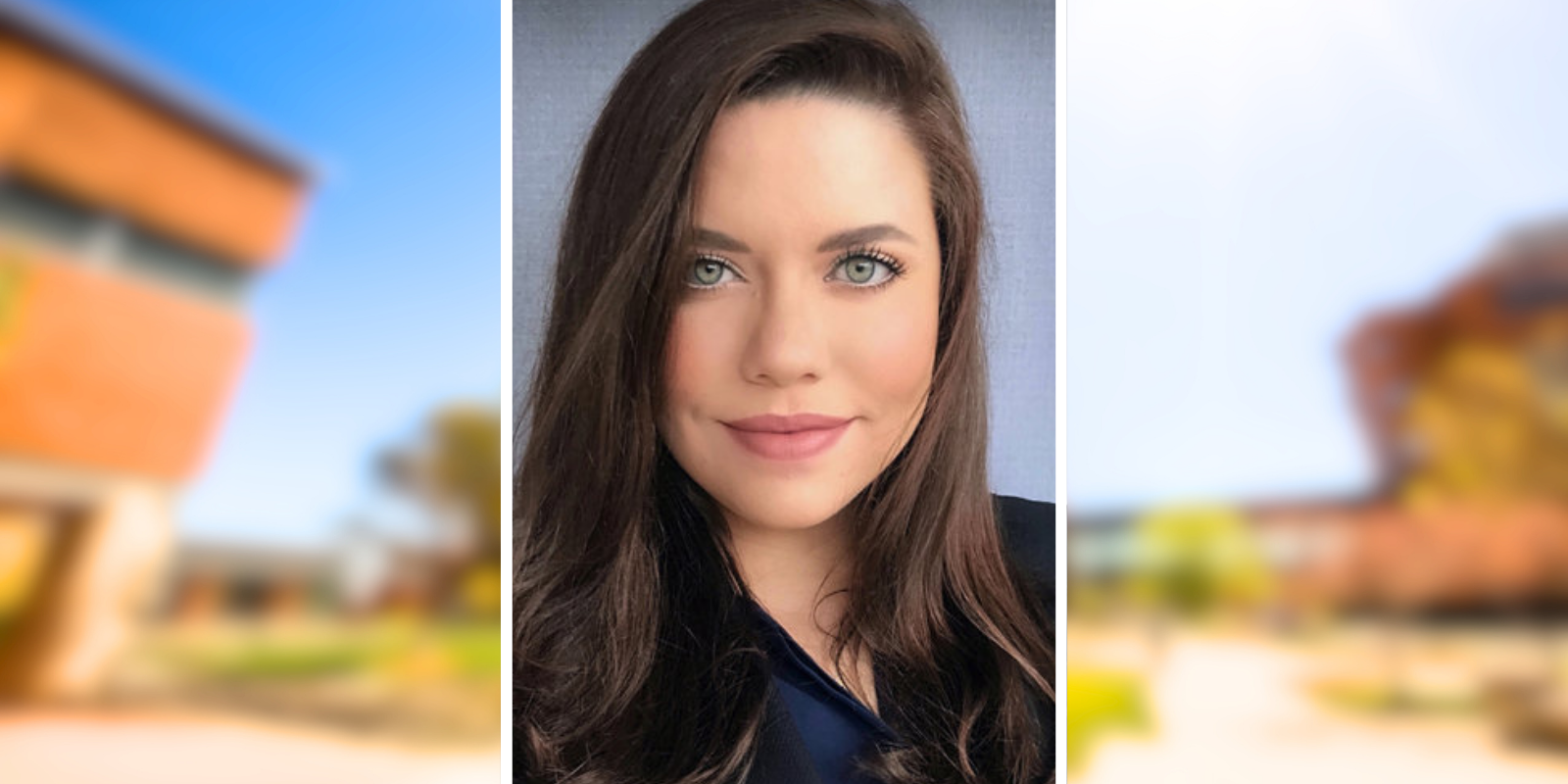
Viviane Leite Abud, MD, is making history in the Division of GI, Trauma, and Endocrine Surgery in the University of Colorado Department of Surgery. Earlier in August, Abud became the division’s first-ever colorectal surgery fellow, after developing an affinity for the specialty during her time as a general surgery resident at CU.
“Since my first year of residency, I knew I wanted to do colorectal surgery,” Abud says. “It's the field of surgery that has the most diversity in the types of procedures that we do and the types of patients that we work with. I think all the pathology and surgeries in colorectal are really interesting as well.”
From residency to fellowship
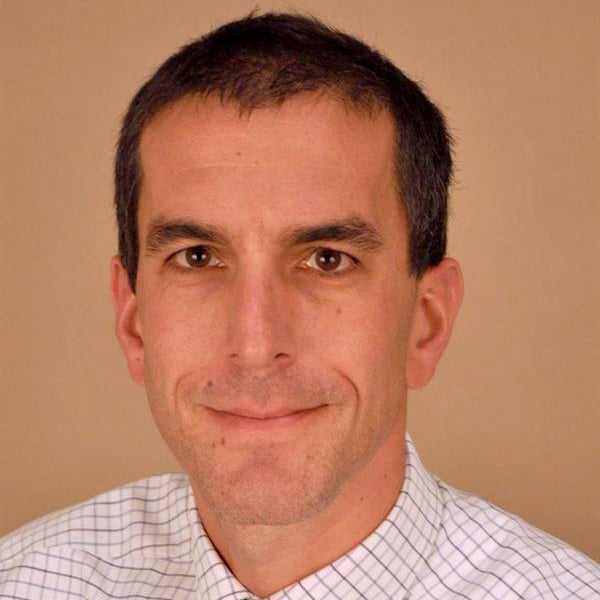
The fellowship — the first colorectal surgery fellowship in the state of Colorado to be approved by the Accreditation Council for Graduate Medical Education — is overseen by colorectal surgery section head Jon Vogel, MD, who says Abud stood out from the more than 100 applicants for the position in part because of her performance during residency.
“She did a very good job as a resident in general surgery, and she earned our trust and admiration,” he says. “She shows great compassion for the patients, and she has a true interest in learning about colorectal surgery and learning how to become an independent colorectal surgeon. The nice thing about fellowship is that once you get to fellowship, you're pretty much focused on what you want to do in life.”
Abud adds that being recruited from within the CU ranks adds a familiarity factor that might make the fellowship go more smoothly, especially for its first time.
“It's always hard for the general surgery program to add a fellowship, because inevitably the residents lose a little bit of space, in the sense that they're going to lose some of the surgeries and some of their autonomy to the fellow,” Abud says. “I think that the fact that I was already here as a resident, and I already knew my coresidents, made it a lot easier, because I can reach out to them very easily, and have more informal conversations to discuss how this should work, or what they think is going well.”
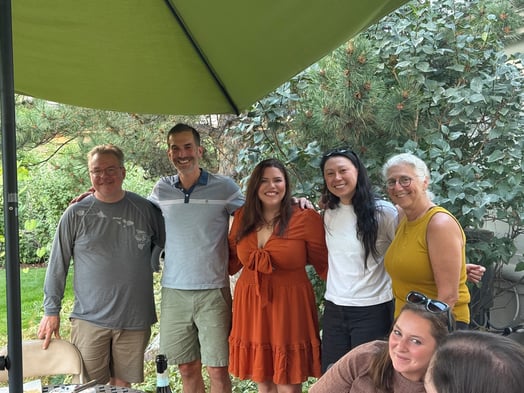 From left, colorectal surgery team Shane McNevin, MD, Jon Vogel, MD, Viviane Leite Abud, MD, Amber Moyer, MD, and Elisa Birnbaum, MD.
Educational element
In addition to her clinical responsibilities in the operating room and performing colonoscopies, Abud’s fellowship also will include a didactic portion that will provide educational opportunities for residents as well.
“It's going to be an hour every week of lectures,” she says. “Dr. Vogel made a thorough and comprehensive schedule of topics and invited everyone who was a specialist in that area. The residents on the colorectal service will also be watching these, and it will be open for any resident who's interested.”
Road to fellowship
Abud grew up and went to medical school in Brazil; she came to the CU Department of Surgery for residency after conducting research with Ana Gleisner, MD, PhD, an assistant professor of surgical oncology who is also from Brazil. Once her yearlong fellowship is complete, Abud is looking forward to working full time as a colorectal surgeon.
“I still don't know where it's going to be, but I am confident that the fellowship is going to prepare me well,” she says. “We have excellent colorectal attendings here, and they all come from different parts of the country, with different training styles and different approaches. It's been great to learn from them.”
Impact on patients
In addition to the diversity of procedures, Abud says she likes colorectal surgery because of the impact it can have on patients’ lives.
“That applies to many different areas of surgery, but in colorectal, specifically, there’s the fact that you can cure cancer with one operation,” she says. “In many cases, if you catch cancer early enough, you can drastically improve a patient's quality of life.
“It’s also an area where many people don't like to talk about it, because it's taboo,” she continues. “Nobody wants to talk about how they have rectal prolapse or how they have fecal incontinence. The fact that we can go in and take care of that for them, and they can live a better life, or a life free from cancer or inflammatory disease, is the most satisfying thing.”