What does the Comprehensive Network of Excellence designation mean for patients and the treatment of lymphedema?
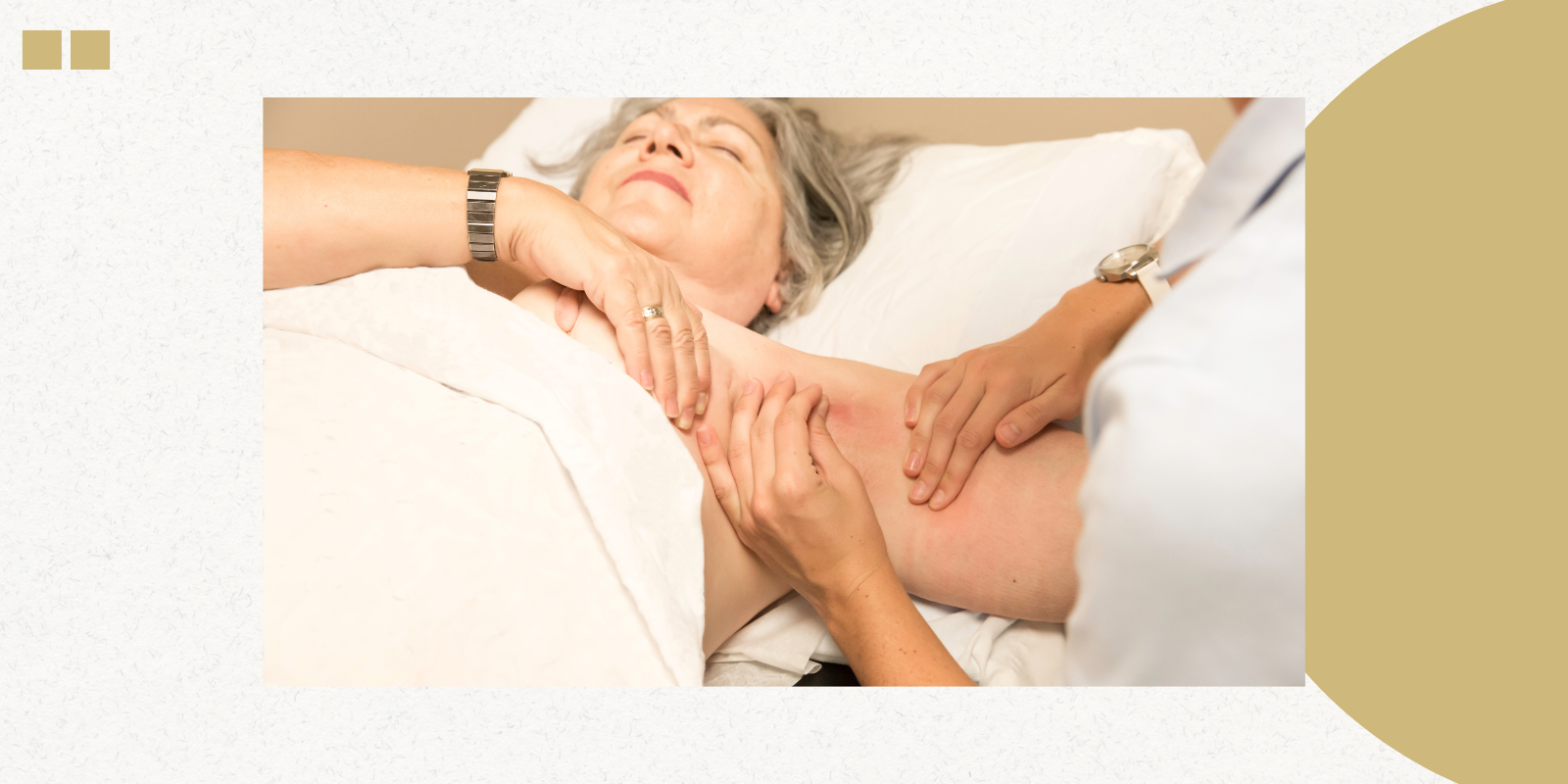
It means that the entire UCHealth system throughout the state of Colorado is part of the collaborative care of lymphedema patients. We have certified lymphedema therapists throughout the system that meet and collaborate and share ideas and have the ability to manage patients and diagnose and make referrals so that patients can get appropriate imaging and work-up and ultimately surgery, if they're a surgical candidate. We have a very collaborative group, and we meet to come up with solutions for some of the complex patients that we face.
What is the typical surgery for lymphedema?
There are two classes of surgery for lymphedema. One is prophylactic surgery, focused on preventing lymphedema. These are techniques that we do at the time that lymph nodes are removed. We can either reconnect lymphatics that are cut or transfer new lymph nodes in where the lymph nodes are removed. Those are more novel techniques, especially the lymph node transfer, which is something we're pioneering here at the University of Colorado.
Once lymphedema develops, we have surgical techniques that can stall the progress of lymphedema and potentially reverse it, but it's difficult to cure lymphedema. Even with successful surgeries, most patients still need to manage their lymphedema with compression. It's rare for it to be completely reversed, which is why we're looking at these techniques on how to prevent lymphedema from happening in the first place.
How involved are those surgeries, and what is the recovery like?
Most of the surgeries that I do, people stay at least one night in the hospital. We have a great team of lymphedema therapists who see the patients after surgery and fit them for postoperative garments that they'll need to use after surgery. The hospital stay typically ranges from one to five days, depending on the type of surgery that's done. Then it's typically about a month of recovery or downtime.
For the first month after surgery, I have people restrict their activity and be diligent about the healing of their surgical site, but after that, people can get back to normal and start doing the things that they want to do again. The lymphedema therapists can then determine a plan, as they start to see the results from surgery — either decreasing their compression or decreasing the amount of therapy they need to do as their lymphatic system starts to work again.
Are there any medications that are used in the treatment of lymphedema?
There are some trials that are going on and some basic science studies that are looking at medications. I think that will come in the future, hopefully as we understand more about the physiology of this disease. One of the things that can contribute to lymphedema and make lymphedema worse is obesity, so the GLP-1 inhibitors and other weight-loss medications are being studied in how those can be used in lymphedema. There's a lot of promise in those medications and how they help with weight management that can impact, either directly or indirectly, on lymphedema and quality of life for patients who have lymphedema associated with obesity.
Have there been any advances in cancer surgery to remove fewer lymph nodes to lessen the risk of lymphedema?
One of the things that’s happening now is that more and more patients are getting chemotherapy before surgery to try to clear the cancer from the lymph nodes so those lymph nodes don't have to be removed. We are also looking at ways to reduce the number of lymph nodes that need to be removed during surgery.
As a Comprehensive Network of Excellence, how far does our reach spread?
We see patients from all over Colorado, as well as surrounding mountain states like New Mexico and Wyoming. We are currently in the process of starting a multidisciplinary lymphedema clinic where multiple different providers will see lymphedema patients on the same day. We want patients, especially patients who come from the other side of Colorado or surrounding states, to be able to consolidate multiple appointments with all the lymphedema care team members into one day to better coordinate care for these patients. We're hoping that this will start sometime near the end of 2026.