
Though it’s a common side effect of cancer treatment, lymphedema — a buildup of extracellular fluid that occurs when the body’s lymphatic channels are obstructed or missing — can be a difficult condition to treat.
A new multidisciplinary lymphedema clinic at UCHealth University of Colorado Hospital — the first of its kind in the Rocky Mountain region — brings together specialists from multiple areas to provide comprehensive, coordinated care for patients living with lymphedema.
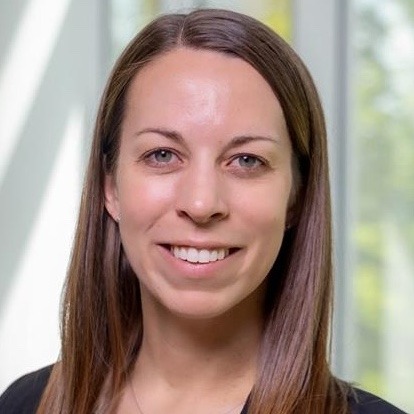
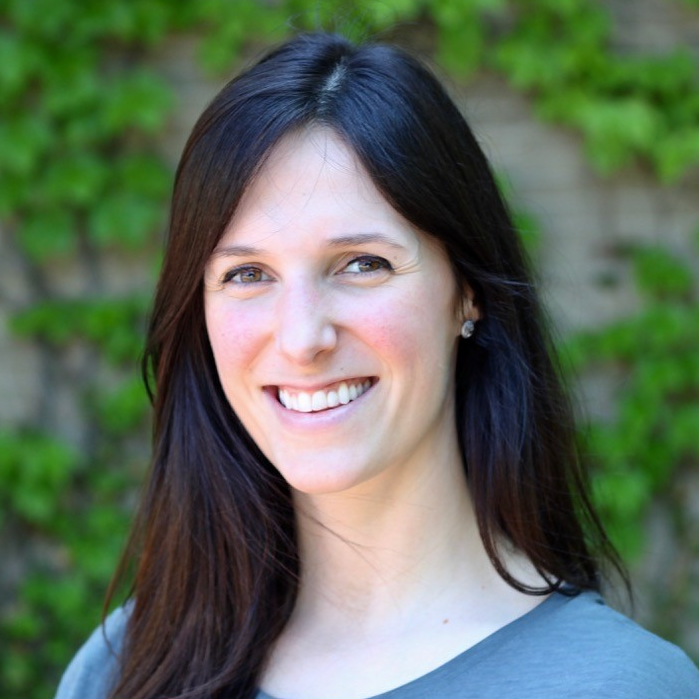
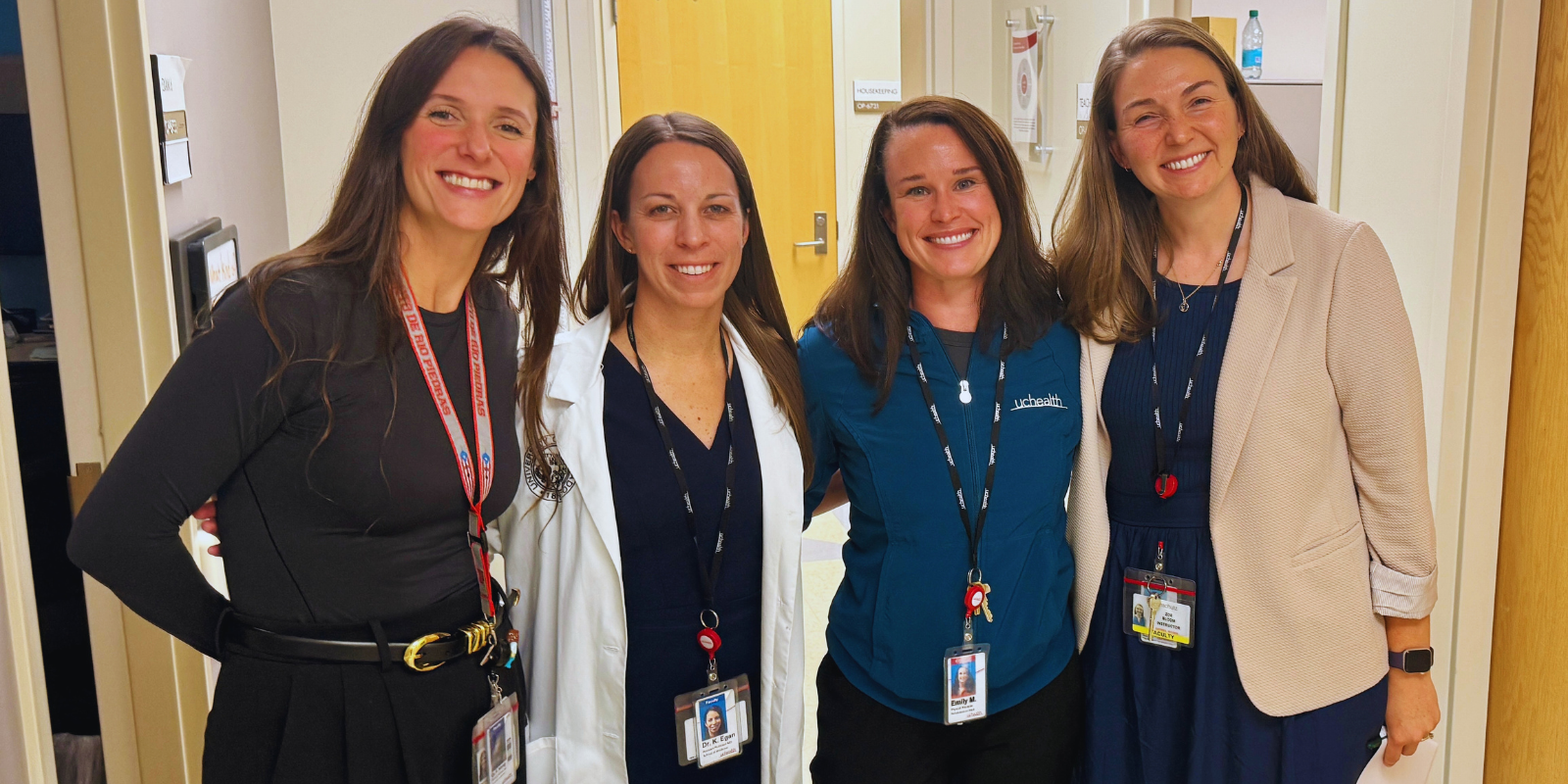
Katie Egan, MD, assistant professor of plastic and reconstructive surgery in the University of Colorado Anschutz Department of Surgery, and Franchesca König, MD, assistant professor of physical medicine and rehabilitation, co-lead the monthly clinic, which offers patients access to multiple specialists in a single visit, reducing the burden of separate appointments and improving continuity of care.
“This is really special, because it allows us to see complex patients, to troubleshoot complex conditions as a multidisciplinary team, and see the patients in one visit,” Egan says. “Many of our patients travel from across the state of Colorado and outside of the state to seek care for their lymphedema here at UCHealth.”
Reviewing the case
That care begins with a case conference in which all the providers involved in the patient's care meet prior to seeing the patient to review the patient's records, imaging, and any lymphedema care that has taken place so far.
“This allows us to discuss as a team what additional testing we may need for the patient and to come up with a coordinated plan of care,” Egan says.
The lymphatic system maintains the balance of fluids in the body, transports immune cells and nutrients, and filters out germs and waste. When lymph nodes are removed during surgery for cancer (most notably breast cancer), lymphatic fluid doesn’t move through the body as it should, causing swelling in areas like the hands and arms. Radiation therapy for cancer can also cause lymphedema.
“It’s a very common condition that's underrecognized and undertreated in many communities due to lack of access to care,” Egan says. “This clinic is really important for our patients and our population here in Colorado to allow patients to have access to the highest level of care for their treatment of lymphedema.”
Types of treatment
There is presently no cure for lymphedema, but symptoms can be treated nonsurgically through compression and manual lymphatic drainage massage. The condition also can be treated surgically with procedures such as lymphaticovenous bypass, which reroutes trapped lymphatic fluid into nearby small veins to keep it moving.
“Lymphedema is a chronic condition, unfortunately, so patients are going to be living with this long term, König says. “Some of our patients may see upward of 10 physicians before they get a diagnosis or get plugged in with the right services, so we're really trying to streamline the care for patients so they don't have to jump through all those hoops.”
“Our hope with the multidisciplinary clinic is to create a place where patients can come get access to resources, get a full scope evaluation from the surgical side, medical side, and from the occupational and physical therapy side to provide them with the most accurate and best treatments to help their symptoms and help them manage their lymphedema long term,” explains Zoe Bloom, PA-C, MMS, MPH.
New hope
One of the first patients to be seen in the new multidisciplinary lymphedema clinic was Karyn Carroll, an attorney from Lyons, Colorado, who was diagnosed with breast cancer in 2012.
“I had chemotherapy, radiation, and a double mastectomy, and lymphedema reared its ugly head within a few years after that,” Carroll says. Though she has been treated for the condition at clinics in Iowa and Ohio, she still struggles with swelling and pain in her arm, inhibiting physical activity, and she gets frequent infections that require antibiotics.
When Carroll visited the UCHealth lymphedema clinic in October, she says she felt hopeful for the first time in a long time.
“I was in a room with a multidisciplinary group of incredible women, and women, I think, are so much more able to understand the nuance of things that go on with other women,” she says. “It was so nice to be validated. This team is absolutely crackerjack.”
Egan says Carroll, with her long and complex lymphedema history, is the type of patient the multidisciplinary clinic was started for.
“I'm so excited this patient is in our clinic,” Egan says. “This is exactly why we started this.”
Featured image: from left, Franchesca König, MD, Katie Egan, MD, Emily Muller, PT, DPT, and Zoe Bloom, PA-C, MMS, MPH, at the opening of the multidisciplinary lymphedema clinic.