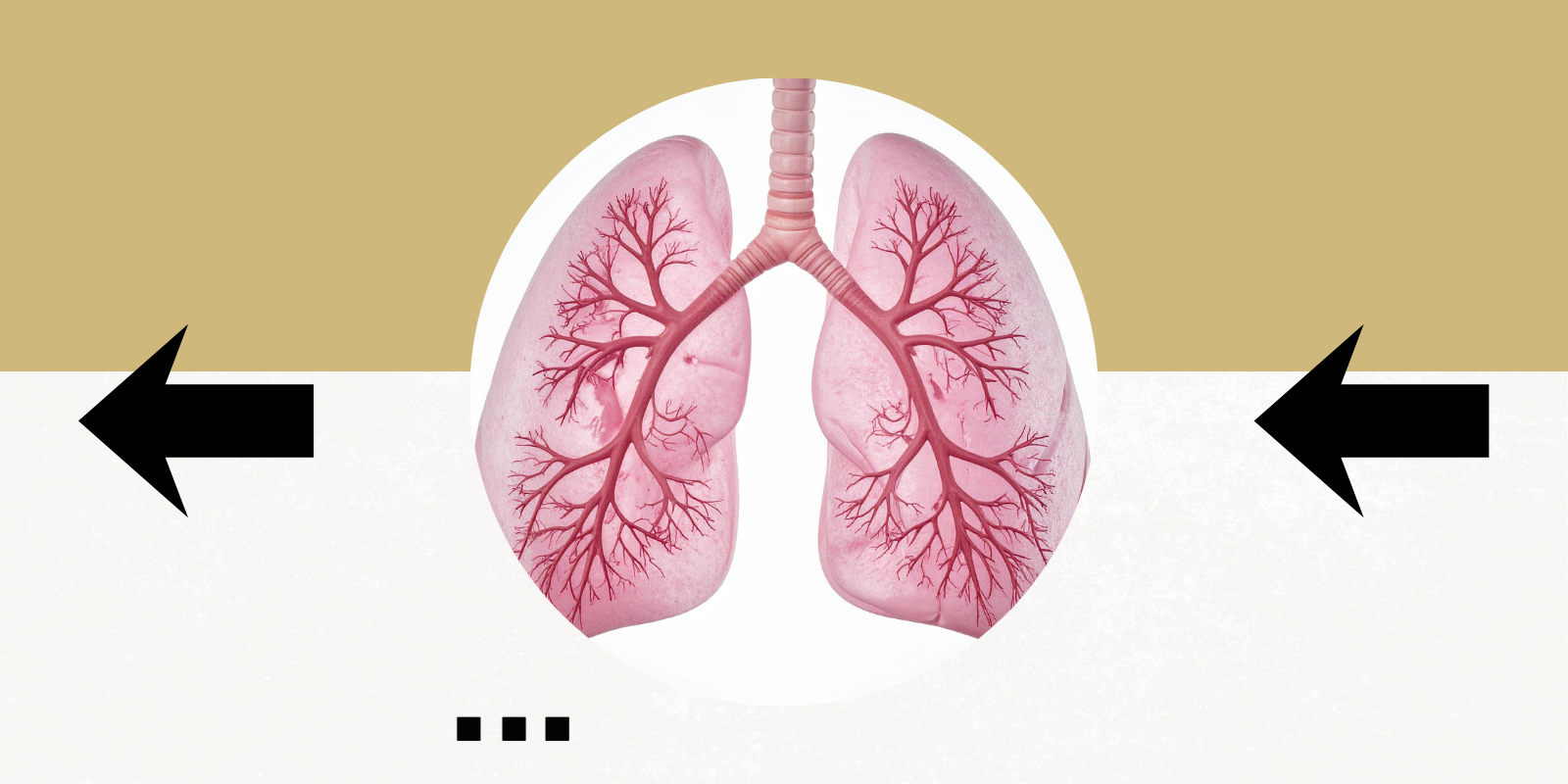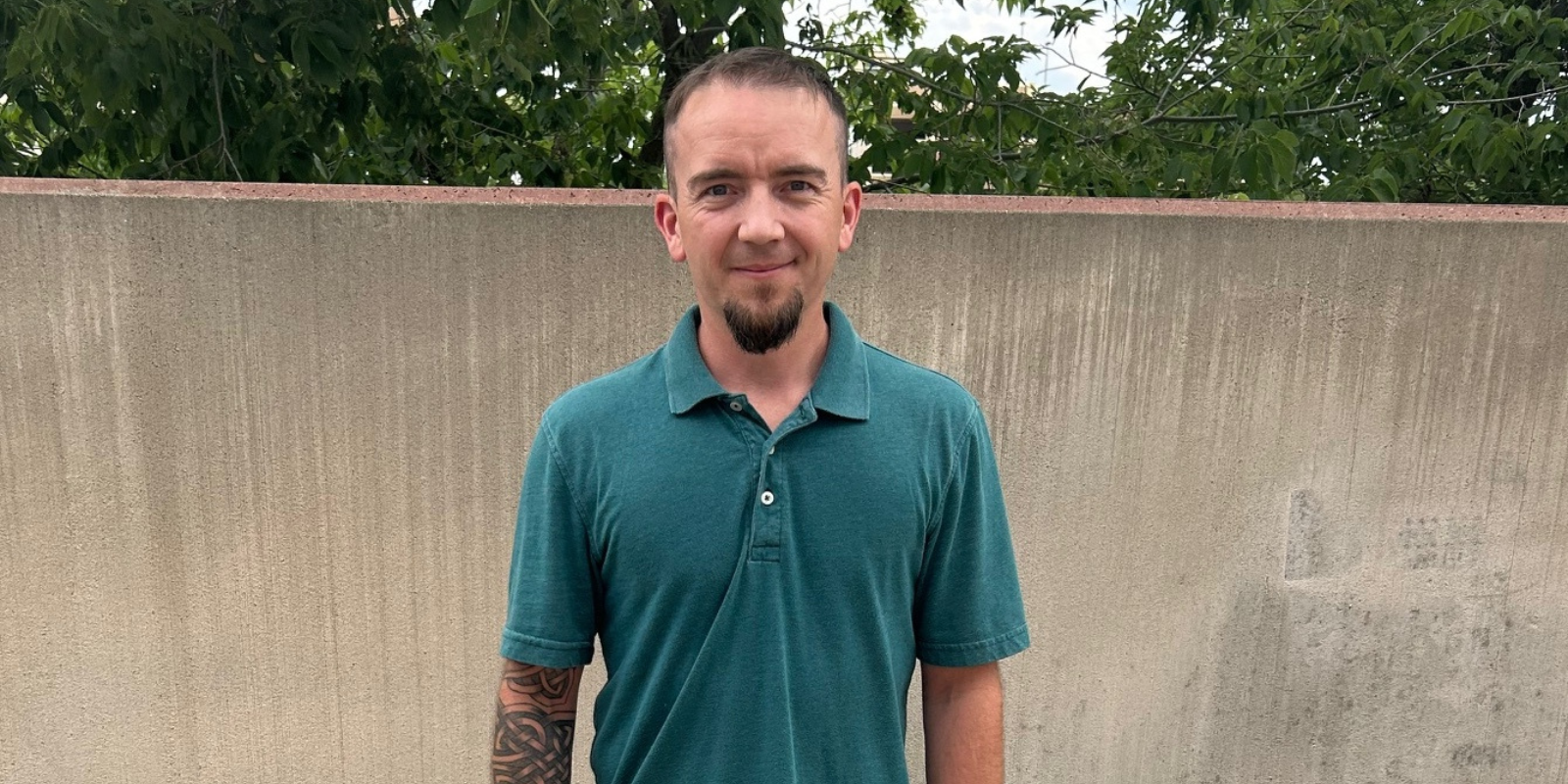
Roy Hazard always knew he had pectus excavatum — a congenital condition in which the breastbone is sunken into the chest, potentially limiting the function of the heart and lungs — but as he was growing up, the condition didn’t limit him much, unless he was playing sports.
“My dad noticed it when I was born, but the doctor at the time said, ‘A lot of kids are born that way; they grow out of it when they get older.’ Well, mine was severe enough that I never grew out of it,’” says Hazard, 35, who grew up in Del Norte, Colorado, where he still lives. “In middle school, I tried to play as many sports as I could — I was a wrestler. I played football. But my problem was that when it got toward the fourth quarter, I was seeing stars. I was so winded. I couldn't last like the other kids, no matter how much I trained.”
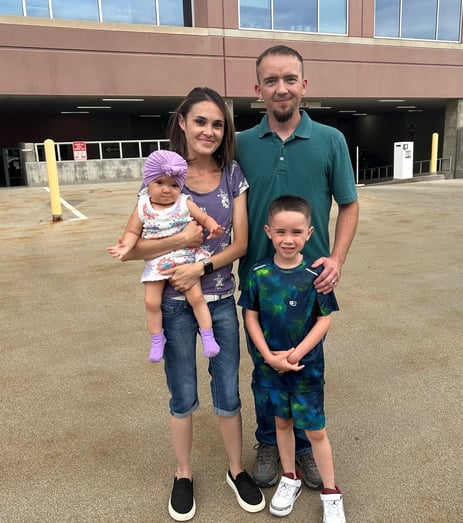 Roy Hazard with his family.
Worsening condition
Things started getting worse for Hazard when he was in his late 20s and began to feel a constant painful pressure in his chest. A chiropractor helped ease the pain temporarily, but a few years later, the pain returned, and it was even worse. Hazard was referred to a spine specialist in Salida, Colorado, who then referred him to Robert Meguid, MD, MPH, professor of cardiothoracic surgery in the CU Department of Surgery.
“After I talked to Dr. Meguid, they took multiple X-rays, multiple CT scans, and had me do exercise tests,” Hazard says. “Everything seemed OK at first, but on my exercise test, when I started doing the incline, my heart rate would skyrocket to 160 beats per minute, and my blood pressure would be really high after I stopped. Your blood pressure should normalize after about five minutes, but mine wasn’t, because one of my arteries was being pinched. Then they came back with the X-ray, and you could see that my sternum was pinching my heart between my sternum and my spine.”
Nuss procedure
After the workup, Meguid found that Hazard was an appropriate candidate for the Nuss procedure, a minimally invasive surgery in which metal bars are placed in the chest to push the breastbone forward and stop it from obstructing the heart and lungs.
“It gets their sternum up off of their heart so that they have more space for their heart to function,” Meguid says. “They accommodate a new shape of the chest wall, which gets rid of the depression in the center of the chest and gets more space for the heart. It results in an improvement in the ability to engage in activity and improved quality of life as a result.”
The bars stay in for three years in adults, two years in children, Meguid says. Hazard’s initial surgery was in October 2021, and in October 2024, Meguid removed the bars.
As soon as the bars were placed, Hazard says, his pain decreased, and he felt like he could take a full breath for the first time in his life.
“My back was hurting all the time, and after they did the surgery, my back wasn't hurting anymore,” he says. “Dr. Meguid gave me 40% extra room in my chest cavity, so it was like taking a new breath. I had another part of my body for air.”
Every breath you take
That increased functionality helps Hazard in his job in the packaging warehouse of a potato farm near Monte Vista, where he typically walks between 10,000 and 20,000 steps a day, and it makes it easier for him to work out and to play with his two small children. He’s also looking forward to getting back to snowboarding and wakeboarding — two favorite activities he had to put on hold because of his back pain and shortness of breath.
“I'm doing so much more at home because I've got more air,” he says. “I was in pain 24/7, out of breath all the time, had a lack of energy, and it was getting worse the older I got.”
Treatment available
Meguid is pleased to have helped Hazard out of his pain and into his new life with more breath and energy. Though some cases of pediatric pectus excavatum do improve with age, he says, Hazard’s story is a good reminder that there are treatment options for those whose condition lasts through adulthood.
“A lot of people are told it's cosmetic or don't recognize that there's an option for treatment, especially a minimally invasive option,” Meguid says. “As a result, there are plenty of patients who have it who don't seek treatment at all. When I see patients who have it, they often have had it since they were a little kid. I'm seeing them as an adult, and they didn't realize they could have sought treatment for it many years ago.”