Patient safety and satisfaction is always a top priority at the University of Colorado Department of Surgery. In 2025, the department is focusing on three initiatives, says Thomas Robinson, MD, vice chair of quality and safety: surgical safety time-outs and debriefs, early post-operative ambulation, and interdisciplinary rounding.
Safety before and after surgery
The first initiative focuses on perioperative safety — verifying procedures and equipment prior to a surgery and ensuring everyone knows the next steps for a patient once the surgery is complete.
“Doing a safety checklist before and after surgery makes operations safer for patients,” Robinson says. “We’re looking to ensure correct site surgery — confirming laterality and site of the operation, for instance — that the correct procedure will be performed on the correct patient, and that the operating room has the correct instruments and implants available, as well as any other clinical needs.”
Surgical time-outs and debriefs are recorded in the electronic health record by the nurses, Robinson says, and a checklist guide is posted on the wall of every operating room. After the procedure, surgeons and nurses review the operation that was just performed, confirm the wound classification and any specimens that were sent for analysis, and talk about where the patient is going next, whether it’s the intensive care unit or the recovery room.
Get moving
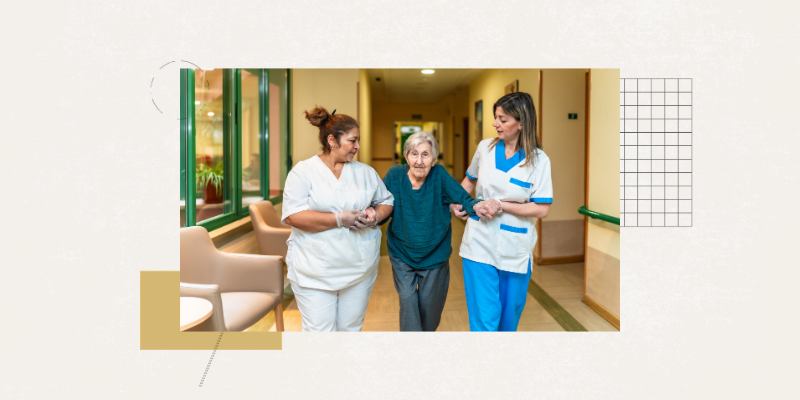
Another patient priority for 2025 in the Department of Surgery is early ambulation — getting patients up and walking as shortly after their operation as possible.
“We set an expectation with the patient — for example, we're going to try to walk you the day of surgery,” Robinson says. “That involves cooperation among the surgeons, the pre-anesthesia team, and the preoperative holding team. Mobilizing patients on the day of surgery will speed their recovery and prevent hospital-acquired complications.”
The early mobility quality initiative will focus efforts on the surgical specialty and surgical oncology units.
Combined communication
The third quality and safety priority this year is interdisciplinary rounds — surgeons and nurses checking in on patients at the same time, rather than rounding separately. This approach ensures cohesive communication between health care teams with the goal of improving patient experience.
“Our goal is for the provider teams on the surgical service to round simultaneously with the nursing team,” he says. “That way, the patient can ask questions of the provider and the nursing teams at the same time. It’s the nursing team that's at the bedside throughout the day, so we want to make sure everyone understands the plan and is on the same page.”
Bigger picture
Those department-wide focuses, Robinson says, along with division-specific programs including reducing 30-day mortality, reducing post-transplant emergency department visits, improving first case on time starts, and reducing sepsis, demonstrate the importance of patient safety within the Department of Surgery.
“We want every patient to have a positive experience around their operation, and surgical quality and safety initiatives help to ensure that goal,” he says.