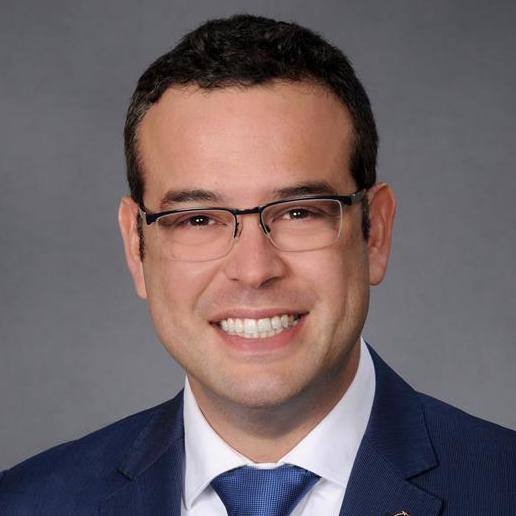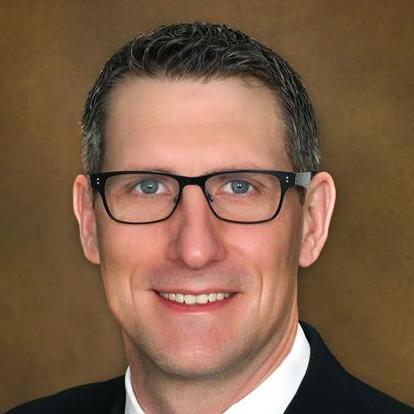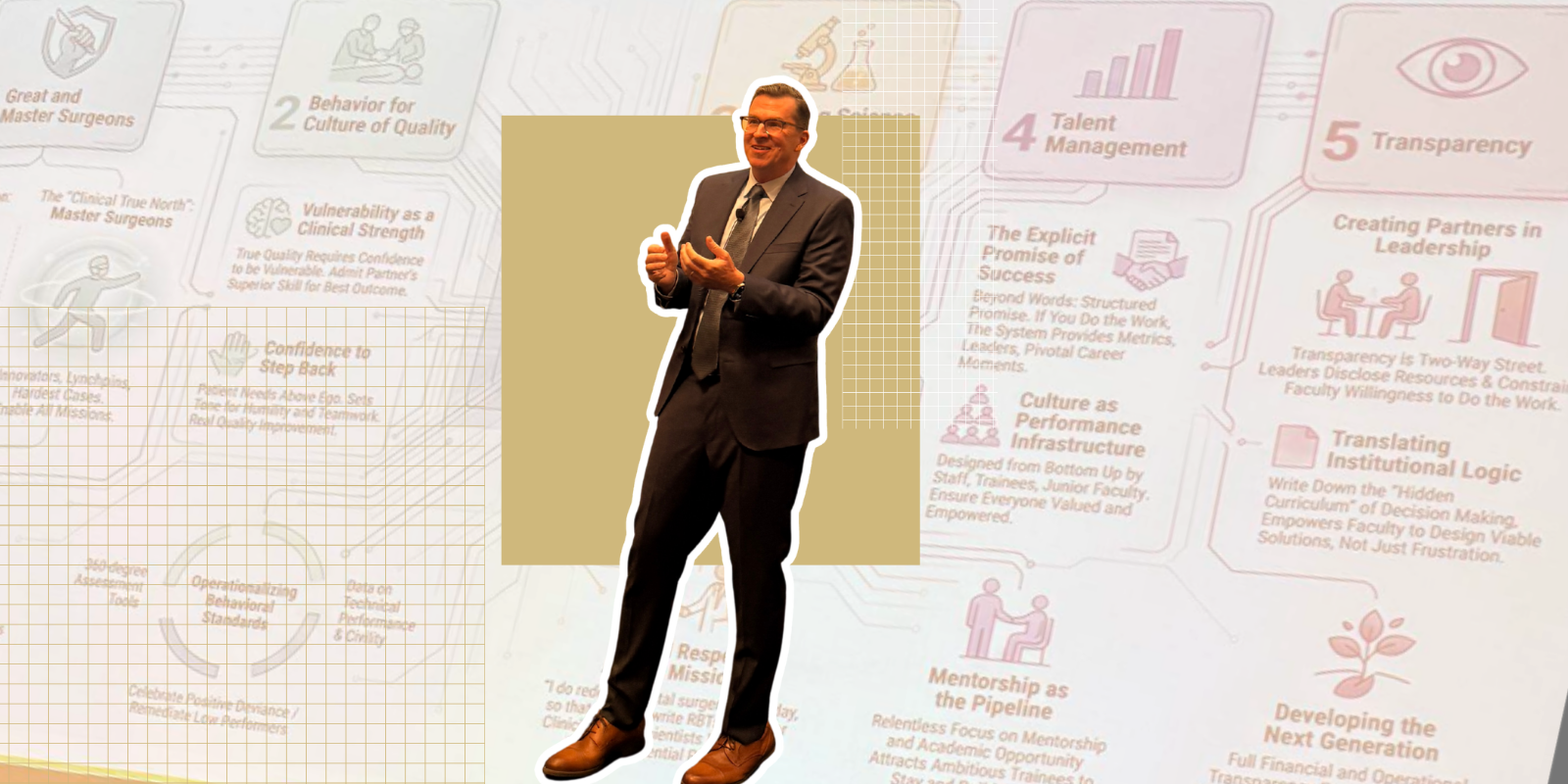

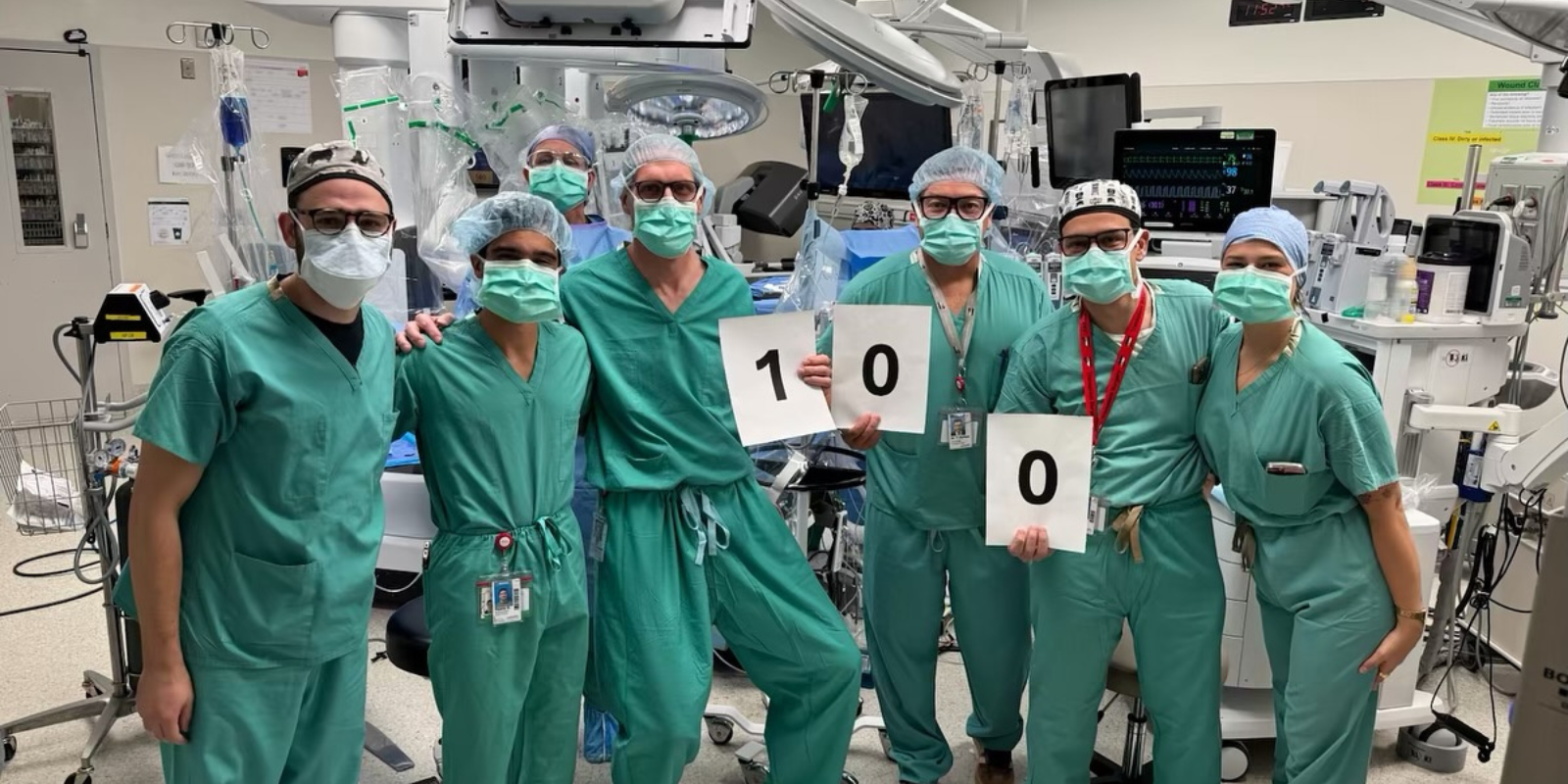
Thanks to the efforts of faculty members Thomas Pshak, MD, and Phillipe Abreu, MD, MBA, of the Division of Transplant Surgery, the University of Colorado Anschutz Department of Surgery hit a milestone in November — performing its 100th robotic kidney transplant.
“This is a remarkable milestone for our transplant center, and more importantly, for patients once denied life-saving transplants due to obesity,” says Pshak, director of minimally invasive transplantation. “This achievement, made possible by our incredible team and hospital leadership, is transforming lives and strengthening families and communities across Colorado and beyond.”
Focus on high-BMI patients
Pshak started the robotic kidney transplant program at CU in 2019, focusing on patients with high body mass index (BMI). The procedure has a higher risk of complications when performed with traditional open surgery, but because the robot allows the surgery to essentially be performed inside the body, using very small incisions, BMI is no longer a factor in who does or does not receive a kidney transplant, Pshak says.
The program grew with the addition of Abreu in 2023, and the numbers took off in 2024, when administrators at UCHealth University of Colorado Hospital, where the operations are performed, purchased a surgical robot with allocated time for kidney transplants.
“That singlehandedly tripled our ability to do these procedures,” Pshak says. “Now, we're starting to see a lot more referrals from outside of Colorado. We had a guy who came in from Kentucky recently, because his dialysis unit in Kentucky said, ‘You should go check out Colorado. They don't have a BMI cutoff.’ We have a heat map where we keep track of where patients are coming from, and we're getting more and more from outside of Colorado.”
Democratizing transplant medicine
Given the link between kidney disease and obesity, especially when a patient is undergoing dialysis, the robotic kidney transplant program is helping to democratize health care, Abreu says.
“It's virtually impossible to make those patients lose weight if they're hooked up to a machine for four hours, three times a week,” he says. “We have to take the responsibility as health care providers and give them an alternative, rather than blaming them for the situation they're in. This program that Tom started here has started to change things, and he deserves all the credit for that.”
Win-win procedure
In addition to high-BMI patients, normal-BMI patients are benefiting from the robotic procedure as well, with shorter hospital stays and abbreviated recovery times.
“The patients love it,” Pshak says. “They have tiny incisions; they go home earlier. We're doing it in a cost-effective manner, so the hospital enjoys that aspect of it. It took many years to build to the point where we're at now, and now we can scale and get bigger and continue to innovate. CU Anschutz is about innovation and pushing the boundaries and making things better, and I think this is one example of that.”
As the CU surgery team continues to perfect the robotic procedure, it’s becoming a model for other centers looking to start their own programs, Pshak says.
“There's a mad rush for other centers to try to get to where we are,” he says. “Phillipe and I are big advocates of this surgery, so programs come in to see how we're doing it, and we proctor them on their end, to help them get their programs up and running. This will eventually become the standard of care, and we're at the center of that, trying to help other programs get started, because we believe that this is important for society.”
Looking forward
The robotic transplant program took time to celebrate its 100th transplant in November, but with an ever-growing number of patients, Abreu and Pshak anticipate doing 100 more procedures in 2026 alone.
“The 100th transplant is a nice, big number, and it looks celebratory, but it actually represents much more than that,” Abreu says. “It represents how solid the program has become over the past few years, and how established this hospital is in terms of providing the best care possible, despite any limitations.”