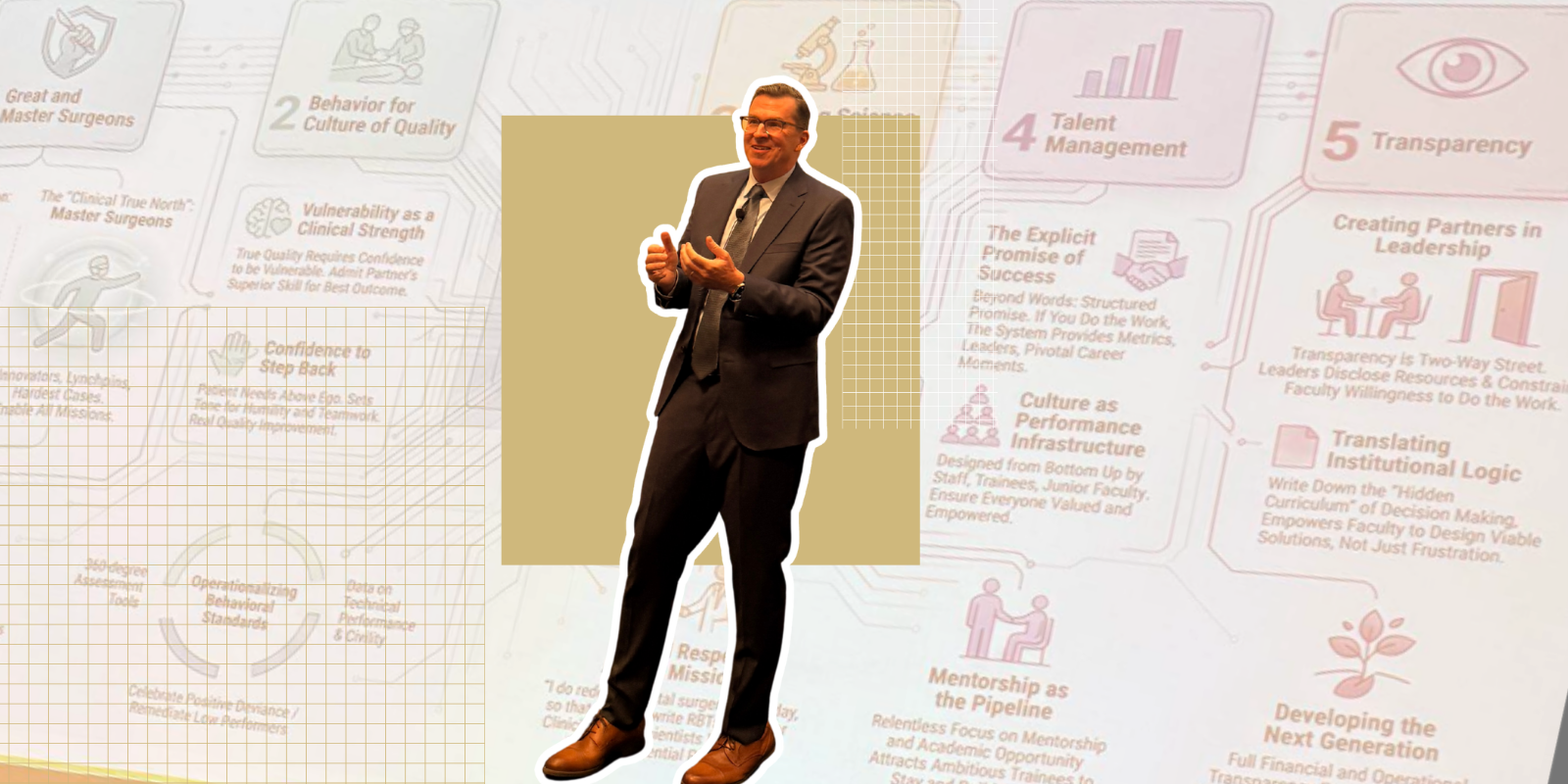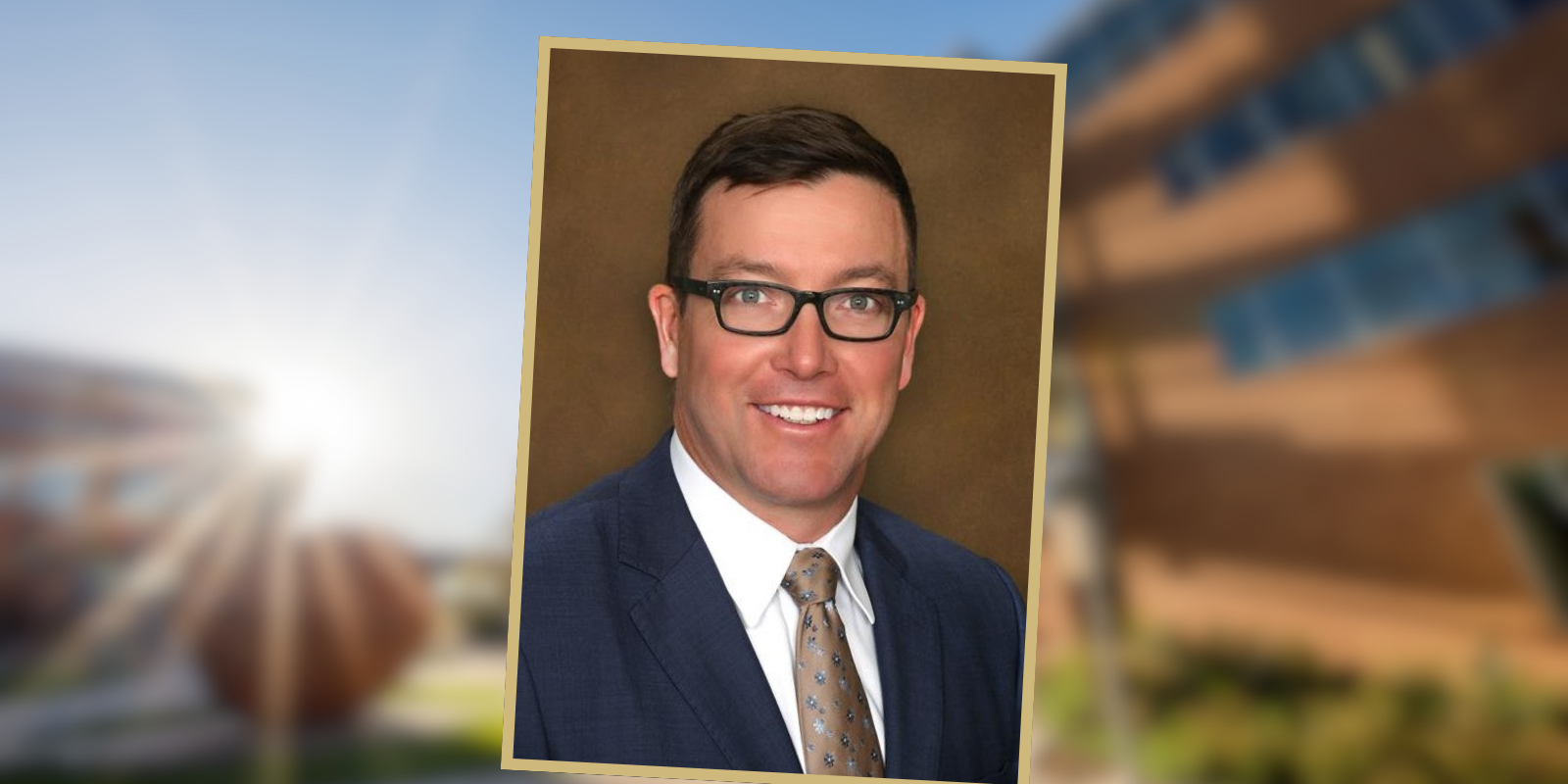
As new chief of the Division of Transplant Surgery in the University of Colorado Department of Surgery, Trevor Nydam, MD, is making it a priority to continue the spirit of innovation that has defined the division for more than 60 years.
“We were the program that did the first liver transplant in the world, in 1963, and we also did the first adult living donor transplant in the United States,” he says. “More recently, we've been a leader in innovating with robotic assistance at our high-BMI clinic, where we can offer kidney transplant to patients who didn't have access prior. We're one of a handful of programs that are doing robotic-assisted living donor hepatectomies, where we transplant part of the liver from a from a healthy living donor in a way that lets the donor go back to their normal life as quickly as possible.”
Nydam was appointed to his new role in June, also taking on the title of clinical director of the UCHealth University of Colorado Hospital Transplant Center.
“Trevor has been instrumental in shaping and elevating our transplant program,” Richard Schulick, MD, MBA, chair of the Department of Surgery, said in a message at the time of Nydam’s appointment. “His innovative approaches have led to improved patient outcomes and more efficient surgical procedures. His commitment to his patients and deep compassion have left a lasting impact on the lives of those in his care. Through his guidance and leadership, he has helped foster a culture of excellence and collaboration in this division and department.”
Long history
Nydam, who has been a member of the transplant team since he joined as a fellow in 2010 under Igal Kam, MD, first came to the CU School of Medicine as a general surgery resident, with an eye toward specializing in trauma.
“I went to medical school in Detroit, and I had a lot of exposure as a student to trauma surgery,” he says. “Part of the reason I came to Colorado was to work with Dr. Gene Moore at Denver Health, and I went into his lab for two years. But when I came out of the lab, I had an amazing rotation on the transplant service in my third clinical year, and that really changed my focus. Late in my third year of clinical residency, I decided to pursue transplantation.”
Focus on patients
Among the lessons he learned during that fellowship, Nydam says, is the importance of patient-centered care. That’s why he is making patients a priority as he takes over as chief.
“Patient-centered care is the foundation of what we do, and everything flows from there,” he says. “Good research comes when you know you have a good clinical program that is solid and doing good work. That serves as the foundation for doing clinical trials, as well as translational work with these patients, looking at outcomes before and after we've taken care of them.”
The other foundation of transplant surgery is teamwork, which Nydam is emphasizing as he leads his team through the leadership change.
“Through this transition, it's been very important that we focus on culture and ensuring that our group is doing well together,” he says. “Transplantation is really a team sport. We share the list, we share the transplants, and we share the aftercare as well. We're in the process of trying to bring in a few more surgeons to fill out the group, but the people who are here, my partners, are all technically excellent, and they're very good physicians. We're very blessed. I'm really proud of how they've responded through this transition.”