How often do you see snakebites in the ER?
Depending on where you are in Denver, there are probably around 20 to 30 snake bites a year in the metro area.
Do they mostly happen on trails and wilderness areas, or in urban areas also?
The majority of them happen around Golden, Green Mountain, or down at Chatfield. We occasionally see them around Cherry Creek and Parker.
What are the first symptoms that happen when you get bitten by a venomous snake?
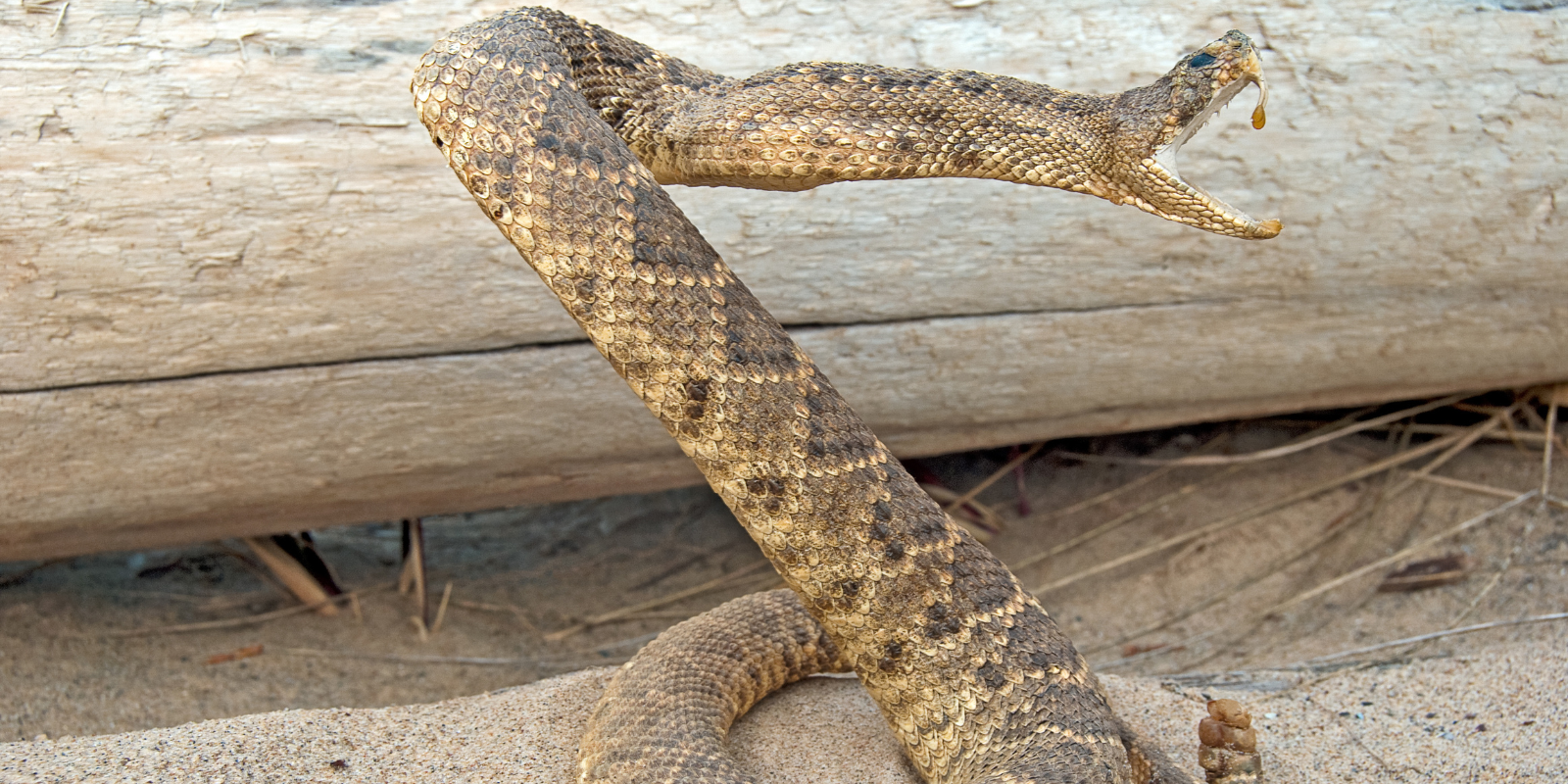
Most people will experience what feels like a pin prick. The fangs on a snake look very much like a hypodermic needle. They're small. The bite itself isn't necessarily all that painful, but you'll see some local swelling and pain as the venom starts to spread. It's usually in a leg or sometimes in the hand, but it will spread along the extremity, and it can become pretty significant.
What happens to your tissue and blood when that venom starts to spread?
You can experience a lot of swelling and pain, and you can get some bruising. The venom causes blood to stop clotting, so you can get significant bleeding from the bite site. Usually, people don't have life-threatening bleeding, but the bite can cause bleeding into the tissue where the bite occurs. If you're someone who uses your hands a lot, and you get bitten by a snake, you're going to have really limited ability to use your hands, certainly for the short term. Many patients go on to have long-term limited mobility and use of their extremities.
Can the venom cause other problems as well?
Occasionally, we see people who have an allergic-type reaction to it, where they can have trouble breathing, swelling of their tongue and airway, and they can throw up. Their blood pressure can drop, and they can go into shock.
When a snakebite happens, how important is it to get to an ER quickly?
The sooner we see you, the sooner we can start treatment. It's important to understand that giving antivenom stops the progression of the swelling, but it does not reverse it once the tissue has been damaged or dies. We can't fix that, but the antivenom we give essentially binds to the snake venom and inactivates it.
Many people don't need antivenom; either they don't get a lot of venom in the bite, or the venom isn't injected at all. A fair number of people have what we call a dry bite, where the snake will bite them, but there's not much venom injected. They don't develop any significant injury, and they don't need treatment. But early on, you can't always tell the difference. If you know you were bitten by a snake, you should go to the emergency room and get checked. Hopefully, nothing happens, but if you do need treatment, you'll be in a place where we can get you treated. If you're feeling dizzy, feeling sick, or having a hard time breathing, you should call 911 and come by ambulance.
How is the antivenom administered? How do you know if it’s working?
It's usually given by intravenous infusion over the course of an hour. People will get an initial treatment, then we'll monitor them. Some people may need additional doses, depending on how bad the bite is. If you have an envenomation that requires treatment, you're probably going to be in the hospital for a couple of days. But if you are bitten and we're just watching you and you don't develop symptoms, those patients usually go home within a few hours.
What we want to see is the swelling to stop progressing. If you get bitten on your hand, the swelling will go through your hand, then up over your wrist, then your forearm. The idea is that after we give the antivenom, it should stop. Wherever the swelling is, you don't want to see it go any further.
For the patients who do need the treatment, are you watching to see if they have any additional reaction?
It's more that the venom is injected into the skin, so it's not always absorbed into the bloodstream right away. We want to make sure that the swelling has stopped progressing and that the bloodwork is returning to normal. Sometimes people require several doses of antivenom.
What are some common misconceptions about snakebites? Are you supposed to cut them open? Is it possible to suck out the venom?
They used to sell snakebite kits where you would make a cut and suck out the venom. But we know that just doesn't work. Many people will cut too much and actually cause more damage.
How serious can snakebite injuries be?
Every year in the United States, there are a handful of people who die from them. The majority of those are patients who don't seek health care or don't come to us until they're very sick. We had a very unfortunate case of a young man who was bitten by a rattlesnake up in Boulder County a few years ago, and he had a serious allergic reaction and died before he could get to health care. But those cases are very rare.
Do you have any suggestions as far as how to avoid getting bitten by a snake — anything to know as you're hiking or in the outdoors?
Rule one is don't mess with the snake. You want to stay on trails; you don't want to put your hand anywhere where you can't see it. We've seen people working in their gardens who have reached under a bush and gotten bitten by a snake. But probably close to half of the bites that we see are people who are playing with the snake, antagonizing the snake, trying to move the snake. If you leave the snake alone, your chance of getting bitten is much lower.
And obviously, if you get bitten, you don't need to take the time to try to figure out if it's a venomous snake — just get to the ER regardless.
Yes. We're happy to assess you. If you can identify the snake or take a picture of it, great, but don't try to catch the snake. Don't bring the snake in. We don't want the snake. I’ve seen many patients who, as they’re trying to catch the snake, have gotten bitten again. So just leave the snake, and come get your medical care.