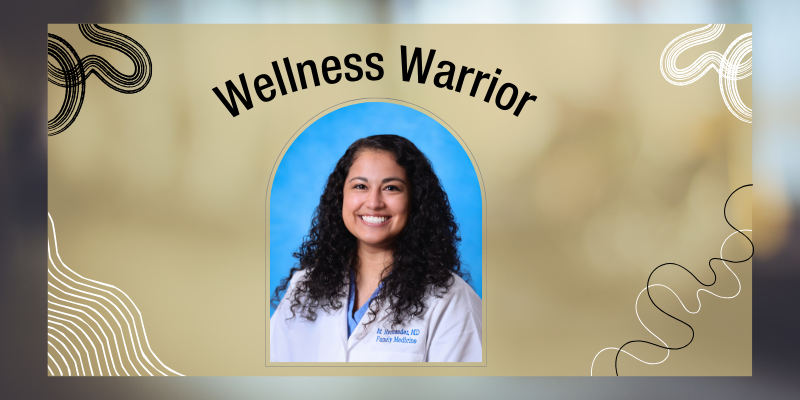
Can you tell us a little about yourself and your background?
I’m from Lubbock, TX, and decided I wanted to be a doctor when I was 17 after attending a summer medical program at Texas Tech. I attended West Texas A&M University for college and the University of Texas Medical Branch at Galveston for medical school. Outside of work, I enjoy kickboxing, camping, cooking new cuisines, and visiting our family and friends whenever my spouse and I can. We have a dog named Molly, who is a Beagle/Cocker Spaniel mix, and I’m the proud aunt of four nephews and one niece.
What led you to specialize in obesity medicine?
In college, I studied nutrition and exercise because I thought it would be a great supplement to my medical education. I was very active and health-conscious throughout my undergraduate years. However, in medical school, for many different reasons, I started to experience significant weight gain and eventually found myself struggling with obesity. During residency, I learned more about obesity medicine as a specialty and was enlightened to learn about obesity as a chronic disease. This education allowed me to better treat and empathize with my patients struggling with obesity. After my family medicine residency, I sought additional training through a one-year fellowship in Obesity Medicine at the University of Texas in Houston.
What misconceptions about obesity do you most hope to change through your work?
Although the American Medical Association has recognized obesity as a disease since 2013, this understanding has been slow to reach the general public and even physicians and other healthcare providers. Too often, my patients blame themselves for struggling with obesity rather than viewing it as a chronic disease like diabetes or high blood pressure. Due to this deeply instilled stigma, patients may struggle to consider anti-obesity medications, even though they are proven to be highly effective interventions. I hope that through advocacy at a national level, through medical associations such as The Obesity Society, the Obesity Medicine Association, and the Obesity Action Coalition, we can make progress. On an individual level, through each patient encounter, I hope to chip away at the existing stigma and shame.
What does “success” look like for you when working with patients in a weight management setting?
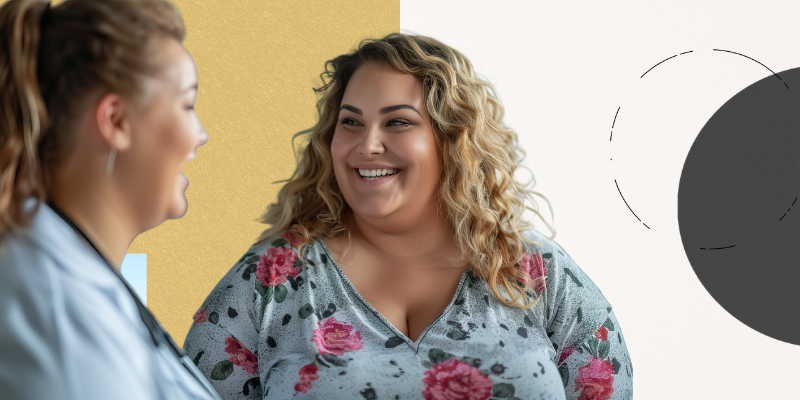
“Success” can look like many different things in our office, depending on what’s important to my patients. Sometimes success means feeling more confident in your body, improving health conditions such as prediabetes or high cholesterol, being more active with grandchildren, or aiming to run a 5K. It’s important to me to let patients drive that conversation.
With so many new anti obesity medications available, what does responsible, patient-centered use look like to you?
Our field is exciting because it’s rapidly evolving, and that comes with the need to stay up to date to ensure we’re providing high-quality, evidence-based care. Like any other specialty, this involves regular follow-ups to re-evaluate whether the current treatment is still the best choice for the patient. I’m a firm believer in forming plans together with patients. I strive to let patients know the available options, the pros and cons of each, and to decide on the option that best fits their goals.
What excites you about being part of a team that integrates clinical care, research, and education?
I intentionally joined a team that is committed to advancing obesity medicine care, research, and education because I love to continue learning! I’m excited to join a team of experienced obesity medicine providers who collaborate to deliver high-quality care. Multidisciplinary clinics like ours are uncommon, and I value the opportunity to work in a setting that brings together diverse expertise to better serve patients.
What do you hope patients feel empowered to do after working with you?
I hope they walk away knowing the truth about obesity as a disease and feel better equipped to handle the stigma they are likely to encounter from society. I also hope patients feel empowered to make shared decisions with all of their physicians and providers about their healthcare.