Adaptive deep brain stimulation (aDBS) has recently become a gamechanger in the world of Parkinson’s disease treatment due to its ability to tailor treatment to patients who have the uncurable movement disorder. Could it also elevate treatment in psychiatric conditions such as Tourette syndrome and obsessive-compulsive disorder (OCD)?
Potentially, say researchers at the University of Colorado Anschutz School of Medicine who’ve worked with DBS and its newer adaptive technology in patient care and in research settings across various conditions and diseases of the brain.
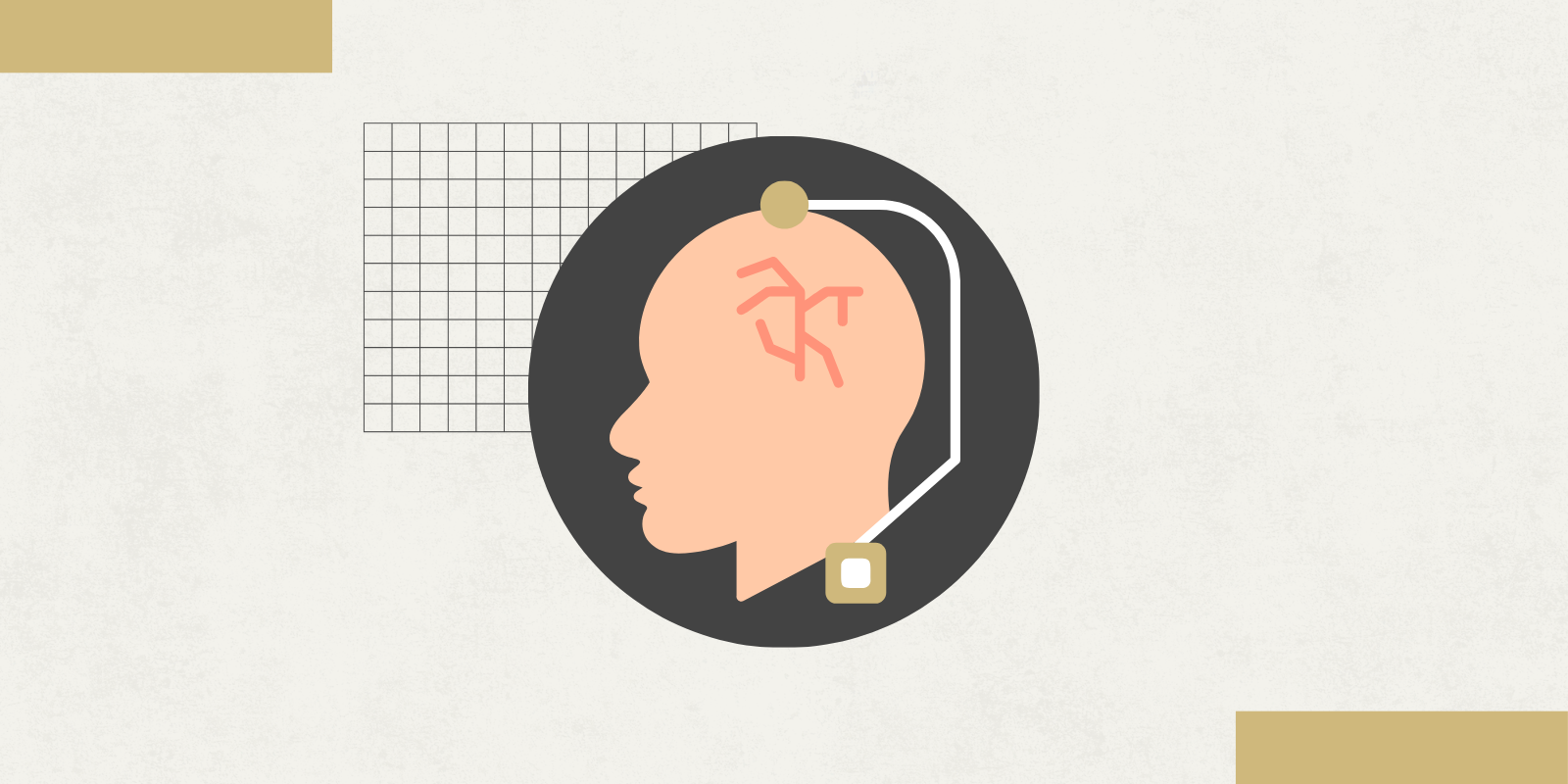
Deep brain stimulation is a surgical treatment that places electrodes into specific regions of the brain to disrupt disordered networks. The electrodes are connected to a battery positioned just below the clavicle, like the workings of a cardiac pacemaker. In Parkinson’s, where aDBS has been approved for use, the electrodes auto-adjust to a selected biomarker, delivering the right amount of stimulation to the brain and helping reduce symptoms.
For nearly a decade, Rachel Davis, MD, professor and head of the Division of Adult Psychiatry at the CU Anschutz School of Medicine, and researcher John Thompson, PhD, associate professor of neurology, neurosurgery, and psychiatry, whose expertise is rooted in movement disorders, have been collaborating to learn more about deep brain stimulation and how to improve quality of life for patients with challenging psychiatric conditions.
Now, they’re looking at the newer adaptive technology and its potential.
“Adaptive DBS is not approved for any other use but Parkinson’s disease. However, there are several research groups that are using the technology for research,” Thompson says.
A case study success
Currently, treatment-resistant OCD — where significant obsessions and compulsions endure despite standard therapies — is the only psychiatric condition with an FDA approval for the use of DBS. In 2009, the FDA granted a humanitarian device exemption, which is reserved for conditions that affect fewer than 4,000 individuals in the U.S. per year, for DBS use in OCD.
DBS, without the adaptative technology, has also been approved to treat epilepsy, sudden tremor, dystonia, and Parkinson’s. Research for DBS in psychiatric conditions in addition to OCD, including depression, is underway.
Scientists are also interested in how DBS and aDBS could help patients with Tourette syndrome, which causes uncontrollable movements or sounds, called “tics.” Tourette’s affects about 350,000 people in the U.S., often developing early in life and sometimes improving as a child moves into adulthood. Tics can be mild or severe, ranging from eye blinking and sniffing to making obscene gestures or remarks and jerking movements.
In a recently published case study in the journal Biomedical Physics & Engineering Express, Davis and Thompson describe a patient with Tourette syndrome who was able to find relief for symptoms with the help of aDBS, which allowed the implanted device to decrease stimulation during sleep by targeting circadian fluctuation in beta activity.
The patient, who had been treated for several years for OCD, had electrodes previously implanted in the ventral capsule/ventral striatum for OCD symptom management. After discussion and agreement among doctors, the patient had an additional set of electrodes implanted, but this time in a site that’s more optimal for targeting Tourette’s.
“We knew that when the patient could turn DBS off at night, even when it was just in the OCD location, their tics were much better the next day when they turned (the device) back on, but the problem was that the patient wouldn’t always remember to turn it off and that it felt unpleasant when they did, and so we thought if we can use this adaptive mechanism to have it automatically turn off at night, after they had fallen asleep, that would get around the problem of having to remember to do it. That was our goal, and, ultimately, we did it successfully,” Davis says.
Davis and Thompson say the observations they made in that case warrant testing in larger patient populations.
“My next question is whether this can work for other patients, too,” Davis says. “Other programs are studying the use of aDBS in response to the tics themselves, so this is a unique area in which we’d like to see progress.”
Pushing boundaries of what’s possible
While aDBS isn’t yet widely used in psychiatric conditions, Davis and Thompson say they see a future where it could be, especially with researchers who are skilled and willing to dive deeper into the possibilities of the technology.
DBS and aDBS in any medical disorder or condition requires physicians, surgeons, technicians and specialty-trained clinicians to work in unison to deliver the best results for the patient. This can sometimes require hours or days of testing to get the electrodes functioning in just the right way.
“We need boundary-pushing physicians like Dr. Davis. She's operating at the edge of our knowledge,” Thompson says of his colleague. “She had to go beyond what was available to her in the scientific literature to improve this patient's care with technology that was available to her but that she didn't necessarily have clear clinical guidance on.
“You need people who are willing to take advantage of these novel tools. I think it's important to emphasize that it’s the pioneers in the field that are pushing this forward. It takes clinical knowledge and clinical interest to make this work in these challenging cases.”