“In three years, you won’t be able to button your shirt.”
It was those words, uttered by the neurologist who officially diagnosed Rebecca Chopp with Alzheimer’s disease, that kept ringing through Chopp’s head in spring 2019. A lifelong academic who had always prided herself on her sharp intellect, Chopp had stepped down from her role as chancellor at the University of Denver (DU) shortly after the diagnosis, terrified of what the future might bring.
“I was swirling,” Chopp remembers. “I realized I had to step down. Every doctor was consistent. I had to get out of that stress. I had to get out of working those long hours. And I thought, ‘If I only have three or four or five years, I need to spend time with my family.’”
‘On Cloud 9’
Just a few months before that appointment, everything was going great for Chopp. At DU, she was working with an accomplished group of deans and vice chancellors to serve the school’s students, and she had just hired a new provost to help her implement the university’s bold new strategic plan. Other than developing an aversion to attending the slate of social events that went along with her high-profile job, nothing seemed off.
“Then I went to my doctor for my annual physical, and she asked me if anything had changed. I kind of laughed and told her, ‘Well, I'm sleeping,’” Chopp says. “All my life, I would sleep three hours, get up and work three hours, maybe sleep for another hour, and go about my business. And all of a sudden, I was sleeping eight or nine hours a night.”
That, coupled with the fact that Chopp had gotten lost while driving to the doctor’s office — a first for her, she says — prompted her doctor to give her a cognitive test. Chopp, normally an excellent test-taker, failed.
“She then sent me to the memory clinic, and they gave me a four-hour test, interviewed me, and gave me an MRI, and still couldn't figure it out,” Chopp says. “Various neurologists took a look at my findings, and they couldn't figure out why I was so functional, but my findings were not great.”
Then came another neurologist, and an official diagnosis: mild cognitive impairment (MCI) due to Alzheimer’s disease. Chopp was dejected, but as a lifelong researcher, she began looking into lifestyle modifications that were supposed to help with Alzheimer’s symptoms — exercise, a healthy diet, getting more sleep, engaging in creative activities.
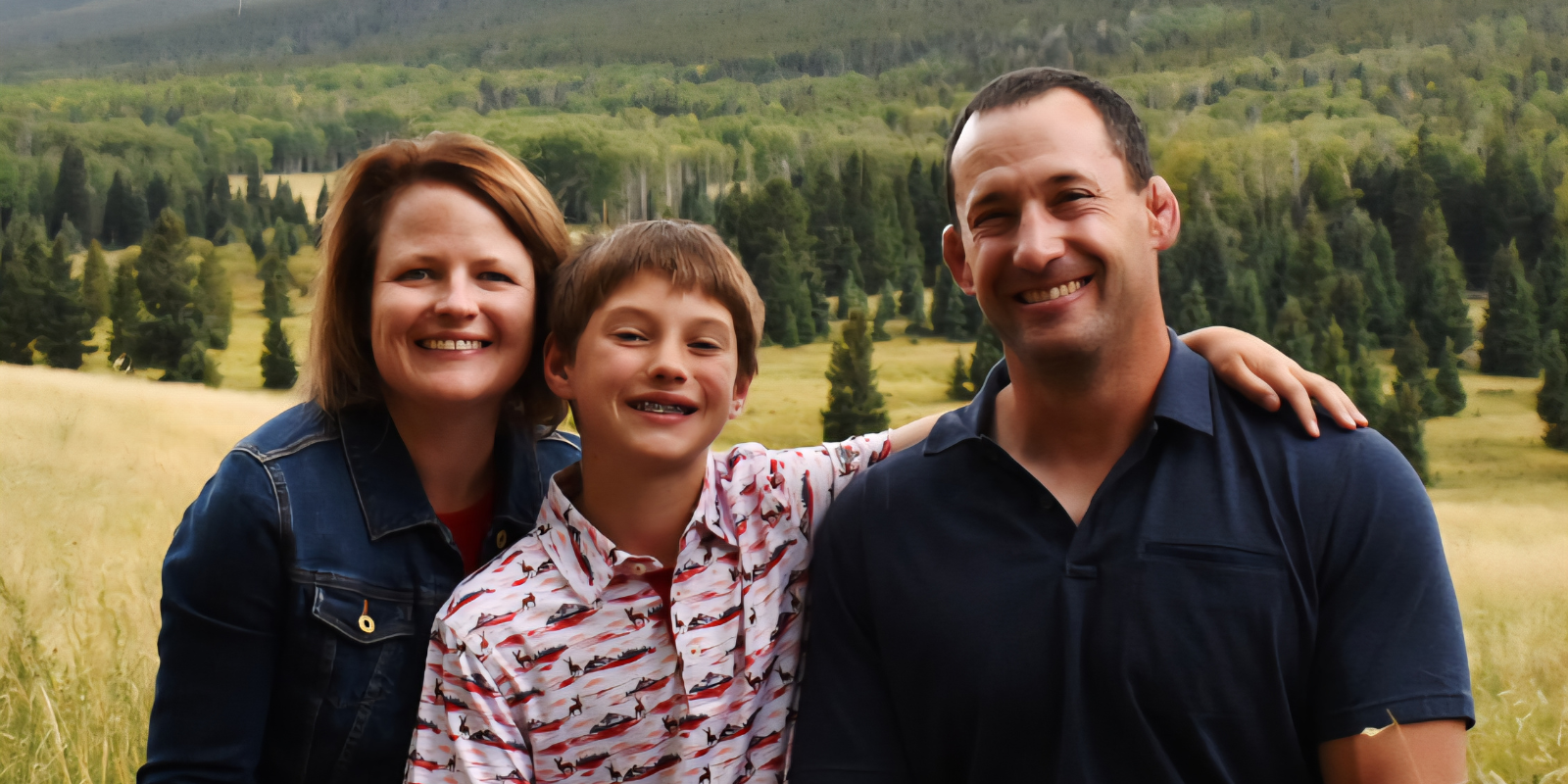
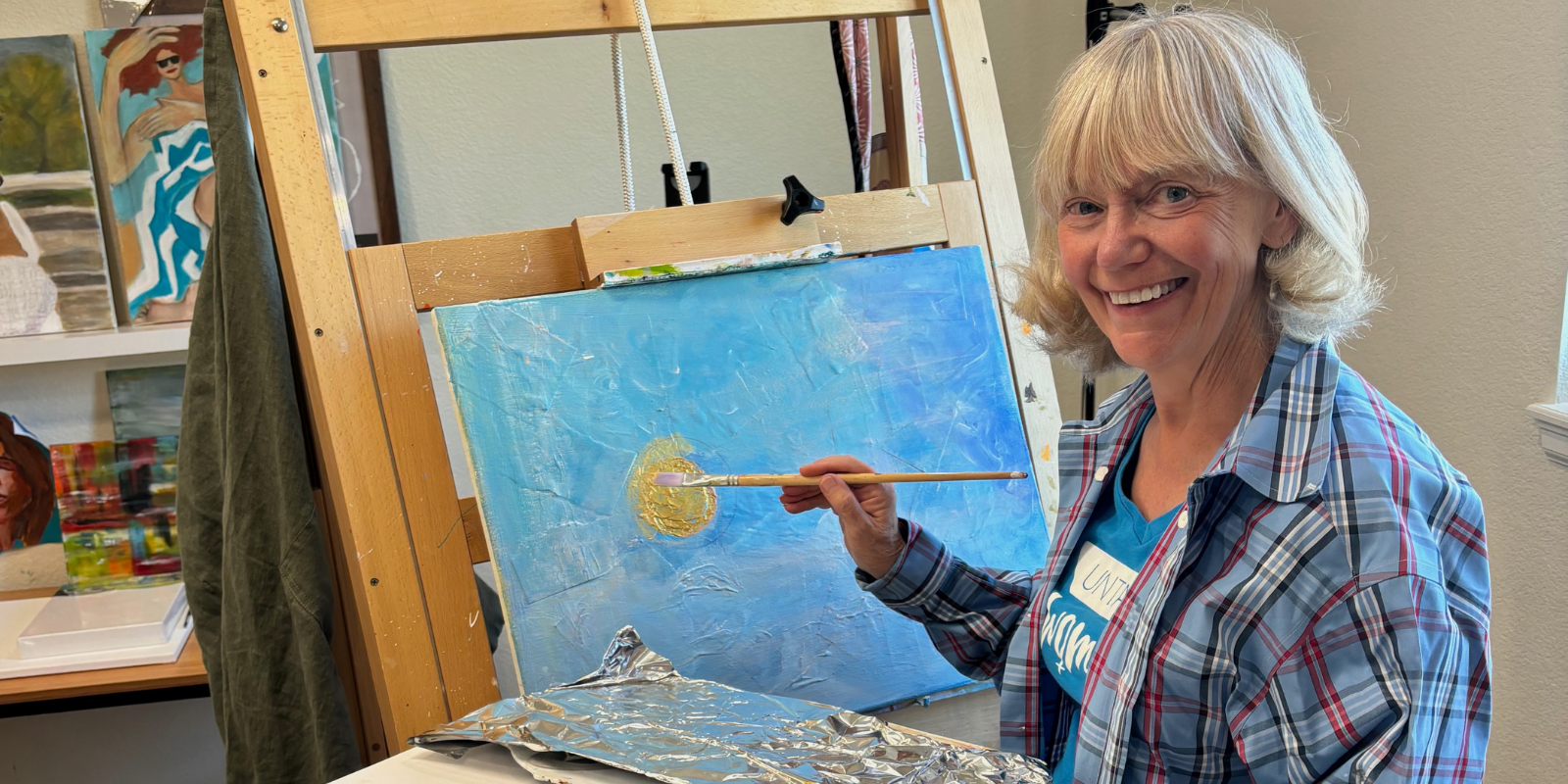
She embraced the MIND diet (Mediterranean-DASH Diet Intervention for Neurodegenerative Delay), which emphasizes nutrient-dense foods like leafy greens, salmon, berries, and olive oil. She took up painting, and she began writing a book about her experience with Alzheimer’s. She and her husband, Fred Thibodeau, moved to Estes Park, where she could more easily indulge her love of hiking.
“It was right around then that I started feeling better,” she says. “I had more energy. I wanted to do things. I wanted to be involved and have more impact.”
Taking another look
Chopp became involved with a few local Alzheimer's associations and began giving presentations about her experience with the disease. After a presentation at a retirement community in Boulder, she was approached by a retired neurologist who gave her a hopeful recommendation.
“He came up to me privately, and he said, ‘I think you need to go back to your doctor and get reexamined,’” Chopp recalls. “He said, ‘If you've had this disease six years, and you're so fluid giving this presentation, and you answered very technical questions, that's just amazing.’”
Chopp went to a new neurologist who gave her another cognitive test as well as a new test for Alzheimer’s that didn’t exist when she got her initial diagnosis — a blood test that detects two biomarkers of Alzheimer’s in the brain, the proteins plasma amyloid-beta and tau peptide.
“It showed no buildup of amyloid, no tau,” Chopp says. “And my cognitive test scores were absolutely different. There was only one area in which I had any cognitive deficiency at all, and in all the other areas — and there are a bunch of them — I was at or above normal.”
Tricky diagnosis
So what happened? Lotta Granholm-Bentley, DDS, PhD, professor of neurosurgery in the University of Colorado Anschutz School of Medicine, says Chopp’s lifestyle, coupled with the natural effects of aging, likely just caught up with her.
“I think what happened in her case was that she had a very stressful job, she slept very little, and she was constantly eating out, because of all the dinners she had to attend as chancellor," says Granholm, who worked under Chopp at DU as director of the university’s Knoebel Institute for Healthy Aging. "I think her lifestyle was very stressful, and she didn't have time to take care of herself.”
An MRI conducted by her second neurology team also showed that Chopp had a small wound on her brain, likely there since birth.
“It’s in the speech area of my brain, and I remembered that I had a lot of trouble learning to talk,” Chopp says. “It’s possible that if you put a brain through enough stress for years and years, any kind of brain injury could act up. My neurologist thinks that maybe the brain injury acted up under all the stress of being a CEO in higher ed for 25-30 years.”
Better science
A firm believer that lifestyle changes can slow the progression of neurodegeneration in the brain, Granholm recommends the sort of changes Chopp made to anyone looking to prevent or cope with a dementia diagnosis.
“People ask me what the best medication for Alzheimer’s is, and I say, walking, diet, exercise, getting enough sleep,” she says.
There are recently FDA-approved drugs that have been shown to slow the progression of Alzheimer’s by reducing the amount of amyloid in the brain. Diagnosed for early-stage disease, they come with risks including brain swelling.
Staying brain-healthy
Chopp now finds herself in an interesting position — she has an encouraging story to tell, but she doesn’t want to give people with Alzheimer’s false hope.
“I don't want to do anything to encourage people not getting tested,” Chopp says. “I think, given my age and the career I'd had, the doctors made the best diagnosis they could. The diagnostic tools six years ago were not nearly as good as they are today.”
She recommends that people 65 or older get a baseline cognitive exam from their primary care provider, followed up with the amyloid-tau blood test if necessary. And because Alzheimer’s symptoms can appear as early as age 40, she recommends that everyone embraces habits such as exercise, creativity, and a healthy diet.
“Get the exam, get the blood marker, but everybody really ought to focus on a brain-healthy lifestyle,” she says.