Researchers estimate that endometriosis affects nearly one in 10 reproductive-age women and girls around the world. The condition, which occurs when tissue from inside the uterus grows outside of the uterus, is often associated with chronic pelvic pain and infertility but can impact other parts of the body, too.
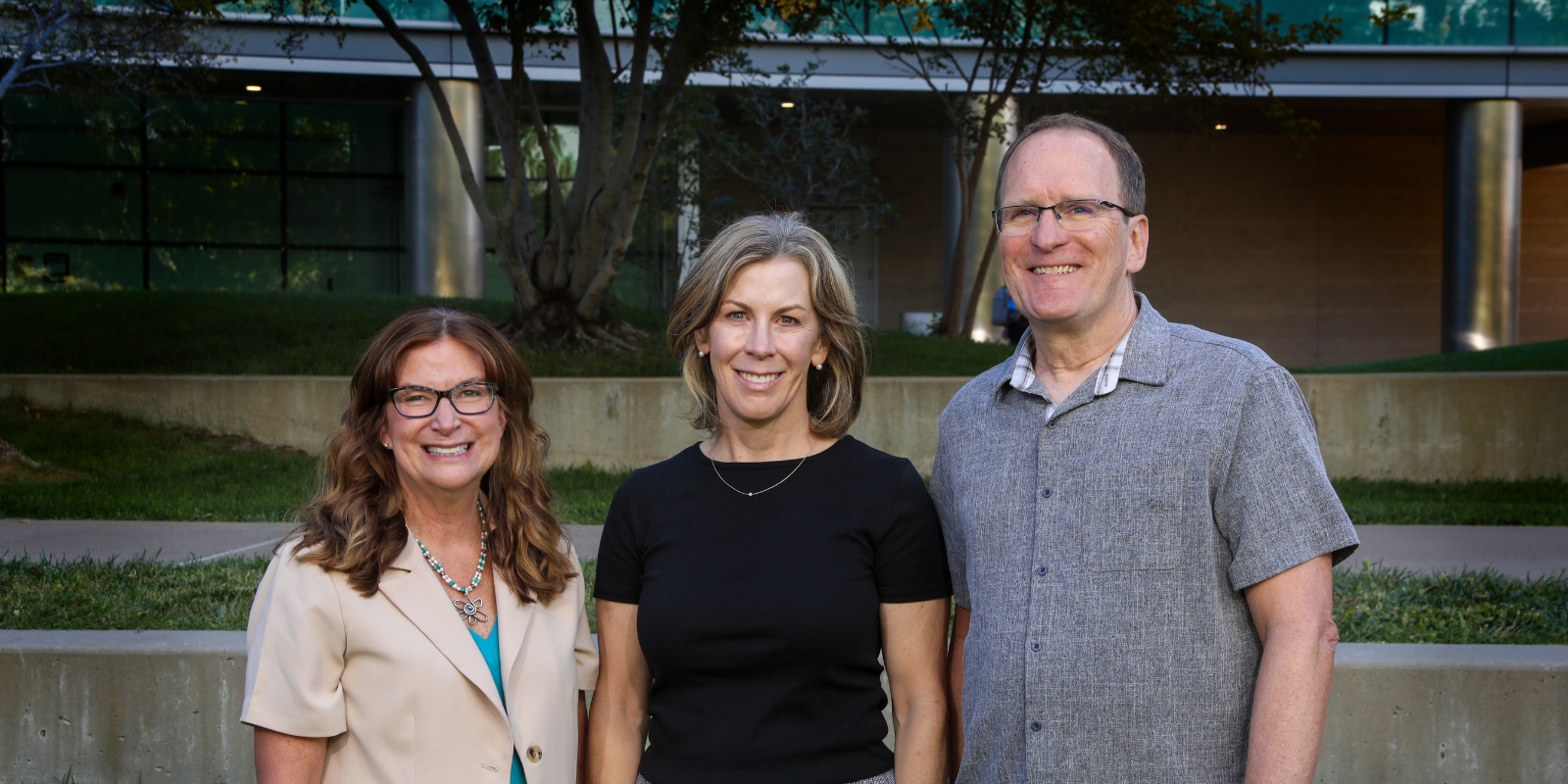
Researchers with the University of Colorado Anschutz School of Medicine are working to learn more about the complexities of endometriosis, particularly how it relates to brain and vascular health. In ongoing research, principal investigator Lyndsey DuBose, PhD, adjoint assistant professor of geriatrics, seeks to understand how vascular function around the heart and in the brain differs between those who have endometriosis and those who don’t.
“We know that people with endometriosis are at an increased risk for developing heart disease. This is increasingly being recognized as a sex-specific factor in women for the development of heart disease,” she says. “We also know that this condition increases stroke risk by about 30% compared with people who don't have endometriosis.”
That's where the literature stops, she adds.
It’s unclear why people with endometriosis have higher risks of some heart- and brain-related diseases. DuBose, who primarily works in the Department of Health and Exercise Science at Colorado State University, has a secondary appointment at the CU Anschutz School of Medicine in the Department of Medicine.
“I love the unique privilege I have of getting to utilize all of the best resources between these institutions to try to advance the health of women and people with a uterus,” she says of the work.
Understanding whole body symptoms
The cause of endometriosis is unknown; however, emerging research suggests that it may be connected to immune system dysregulation. Symptoms can vary from person to person, but often include:
- Painful periods
- Heavy or irregular menstrual bleeding
- Pelvic pain
- Pain during intercourse
- Pain with bowel movements or urination
People with endometriosis have also reported pain in other parts of the body, especially during menstruation. Uterine tissue that’s growing elsewhere often results in inflammation and scarring that leads to pain.
Reproductive health is among a variety of factors that can impact developing other disorders, like heart disease, but research has been slow to explain why. DuBose, who primarily studies women’s health, says understanding how disorders like endometriosis cause heart disease is crucial in developing interventions to reduce this risk.
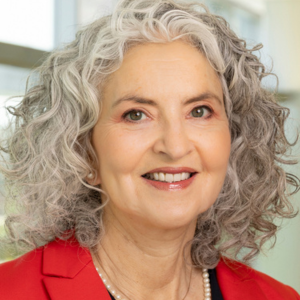
Nanette Santoro, MD, professor of obstetrics and gynecology, who is working as a clinical partner on the study, believes it will be impactful to her work as well.
“We know that endometriosis causes local inflammation and scarring, but how does that play out elsewhere in the body? Dr. DuBose’s work will shed new light on the potential mechanisms,” she says.
There is no cure for endometriosis.
Data collection
The data DuBose and her team are currently collecting “allow us to help understand the physiology, and most importantly, detect differences that can contribute to the development of diseases over long periods of time,” DuBose says.
Research participants — both who are diagnosed with endometriosis and those who don’t have the condition — undergo non-invasive tests of their vascular function, using blood pressure cuffs, ultrasound recordings of blood vessels, or both. The ultrasound allows researchers to see a vessel at rest and then how it responds to a stimulus like an inflated blood pressure cuff.
Using this information, DuBose’s goal is to publish cross sectional findings and help establish whether there are differences in heart and brain health for people who have endometriosis and why.
“If there are differences, we want to pursue why that is,” DuBose says. “How do we correct them if they're not good differences?”
Community outreach
An important part of endometriosis research is that it serves the community of patients who experience the condition. On average, it can take seven years to receive a diagnosis, which often requires several diagnostic tests and surgery. There's currently no cure for endometriosis.
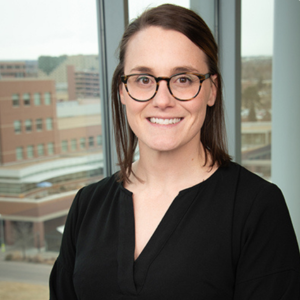
Emma Schlaht, a graduate student at CSU who is assisting on the research as part of her master’s degree thesis, has her own experience with endometriosis. In fact, it's a main reason why she was drawn to the project.
“I would go to doctors, and I wouldn’t get any answers,” she says. “Nobody was able to explain why my body is behaving like this, and that was really hard for me. I had to do a lot of my own research, which led me to realize that there’s a lot we don’t know about this disease. It drives me to want to fill the gaps.”
Working with DuBose has been a catalyst into a career she’s excited for and a cause she’s passionate about.
“My desire is to stay in women’s health and help be a voice,” Schlaht says. “This works gives my community hope. I get to meet people and tell them about what we’re learning. It’s changed my life knowing that people like Dr. DuBose are trying to help steer this research toward people who need it.”