<img height="1" width="1" style="display:none" src="https://www.facebook.com/tr?id=799546403794687&amp;ev=PageView&amp;noscript=1">

A Look at the Creation of Colorado’s First Female Athlete Program

Program director Aubrey Armento, MD, knows firsthand what kind of care could benefit young female athletes because she was one.

minute read

by Kara Mason | June 30, 2025
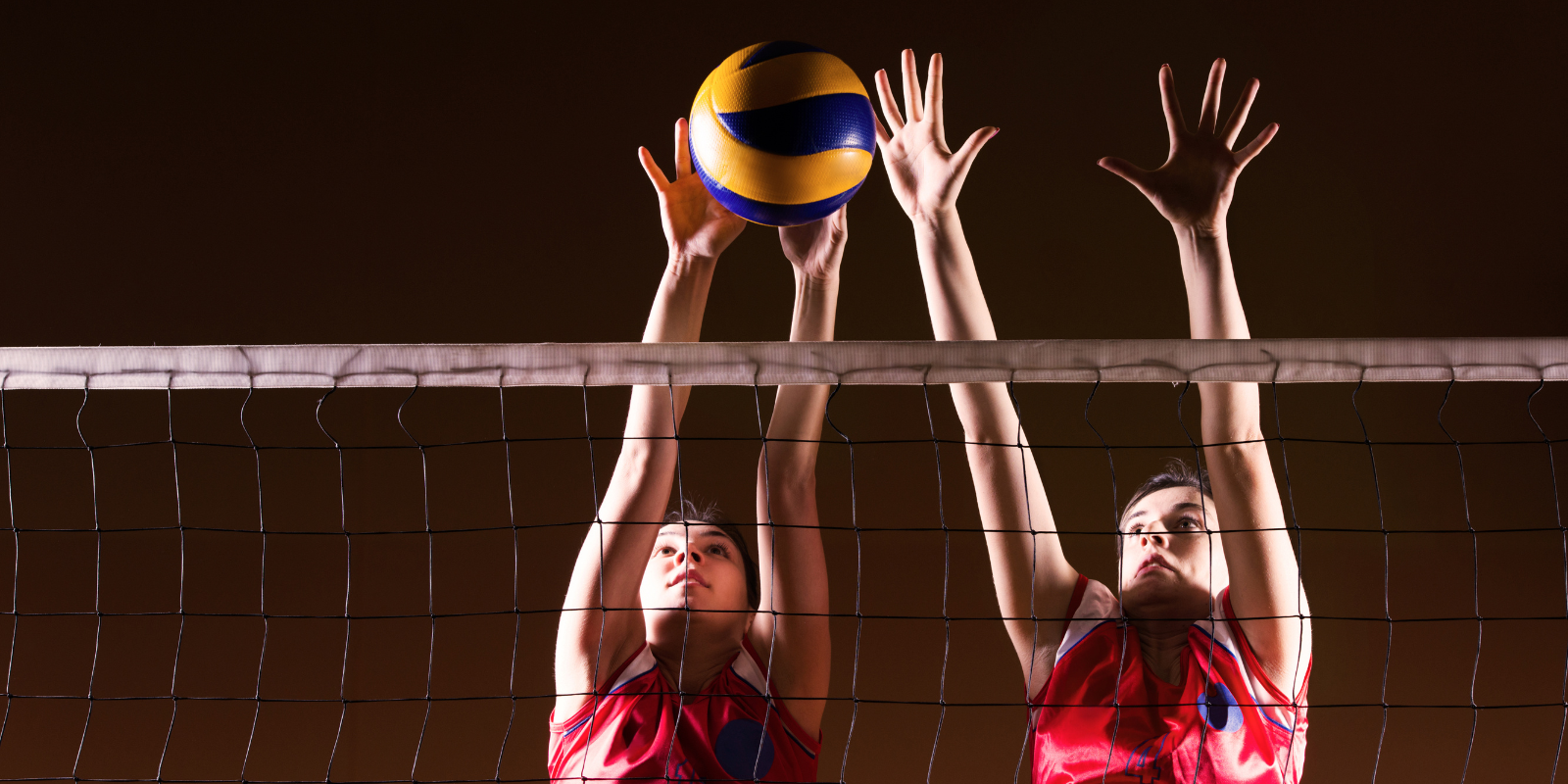
Close up photograph of two girls blocking a volleyball at the net. They are wearing red uniforms.

The Female Athlete Program at Children’s Hospital Colorado fills a unique need: specialized care for young female athletes who need nutrition guidance, menstrual health expertise, and help with sports performance or injury-related care.

While the program has been formally operating for just more than eight months, the program’s medical director and sports medicine physician Aubrey Armento, MD, assistant professor of orthopedics at the University of Colorado School of Medicine, says it’s something that has been top of mind for her for a long time.

“I still consider myself an athlete,” she says. “I'm still a competitive runner. I run marathons and trail ultras, and I've been running since I was in high school. I struggled with irregular periods, disordered eating, and bone injuries when I was younger, so a lot of my passion for doing this work just comes from personal experience and struggling with the same things I see a lot of my young athletes in clinic struggling with.”

The program commonly treats patients with the female athlete triad, the interconnection of low energy availability — a mismatch in energy intake through food and energy burned with exercise — menstrual dysfunction, and low bone mineral density.

Low energy availability also leads to a condition called relative energy deficiency in sport (REDs), which comprises multiple negative effects on the body, including bone and menstrual health, as well as sports performance impairments. A multidisciplinary team offers comprehensive care that meets the need of the individual athlete and their treatment plan for these conditions.

Athletes have access to an athletic trainer, a sports medicine physician, a sports dietitian, and a pediatric and adolescent gynecologist to ensure holistic care.

“Having all of the pieces is critical to a young athlete’s care, so it was important to bring them altogether into one program,” Armento says.

We sat down with Armento to talk about how the program came to fruition and what it means for female athletes across Colorado.


Q&A Header

You’ve been building a program that might have been helpful to you as a young athlete. What has changed over the years to make this possible?

Absolutely, 100%. When I was younger, I don’t think the research was there as much as it is now on how to best care for the female athlete triad. It wasn’t commonly talked about, and people didn’t know the right questions to ask about nutrition, especially eating behaviors, or irregular menstrual cycles.

I wish I would have had access to the resources and knowledge we have now, but it just wasn’t commonplace then.

When did you realize that a program like this could become a reality and everything was coming together?

The goal when I was hired was to ultimately build a Female Athlete Program, so I knew the direction I wanted to go when I was in fellowship here at CU because I found that I really like working with this patient population and wanted to dedicate my career to female athlete care.

I was fortunate that Children’s Hospital Colorado hired a sports dietitian, Amanda McCarthy, around the same time that I was hired to come on as faculty who also was very interested in building a program like this.

Last year, we realized we were already doing the work and needed to name it and form a proper program. We connected with Dr. Lauryn Roth, a gynecologist who also had a lot of interest working in this field too, and she joined the team.

The program aims to address care at multiple levels. What do you find is typically missing or overlooked for young female athletes?

It does seem like the tide is changing as more awareness is being spread, but previously, female athletes losing their period or having irregular periods was just “deemed normal” if you were training at a high level, and that’s not true. It’s not normal for an athlete to lose their period, have a delayed first period, or have an irregular period. This has been a common reason for referral to our practice.

Fortunately, primary care doctors, athletes, parents, and coaches are realizing these experiences aren’t normal, and athletes need further evaluation to understand what is happening.

The other aspect of this is what we call low energy availability, which is when somebody is not eating enough calories to support all their energy needs for exercise, plus all the energy that the body needs just to function optimally. When a person has low energy availability, one of the repercussions is that they can lose their menstrual period because the body suppresses hormone production. People commonly think that to have low energy availability, you must be underweight or demonstrate weight loss, and that’s not necessarily the case.

An important aspect of this work is sports performance. How does this tailored care impact how an athlete performs in competition?

A vital part of our work is treating patients with relative energy deficiency in sports (REDs). This includes the components of the female athlete triad, but also includes other body systems and sports performance impairments that could be negatively affected in the setting of low energy availability. Sometimes we see patients who experience fatigue, low energy, and report not being able to keep up in workouts or practices like they did previously. There may be other factors at play that we need to consider, but adequate nutrition is so important for sports performance, for recovery, and for injury prevention and rehabilitation.

Does this clinical work lend itself to research, too?

It does. A large part of my position here at the CU School of Medicine is research, so I focus on bone health and physical activity behaviors in female adolescents with restrictive disorders. In many ways this work parallels what we’re doing clinically in the Female Athlete Program, but we’re still working on fully integrating those two worlds.

We see ourselves as being a platform to investigate these important questions.

What’s your hope for the future of this program and female athlete health?

Our goal is to build environments that foster more open dialog about these topics, because it is really important, from the coaching level, to parents, to teachers, to athletes themselves. Athletes should feel like they can speak up, or their parents should feel like they can speak up, when they have concerns, and then know where to go and where the resources are to provide help in these cases.

Featured Experts
Staff Mention

Aubrey Armento, MD