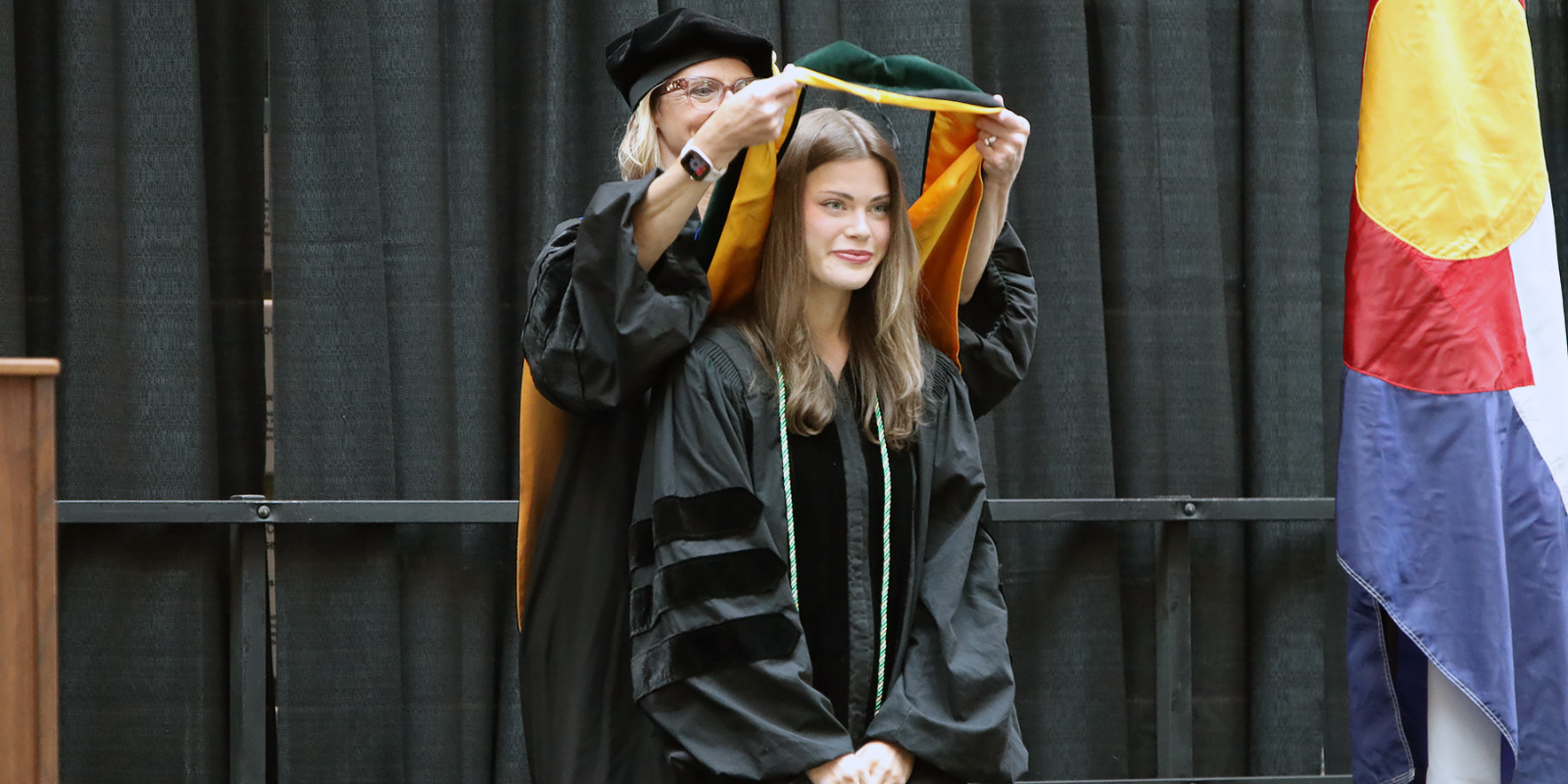
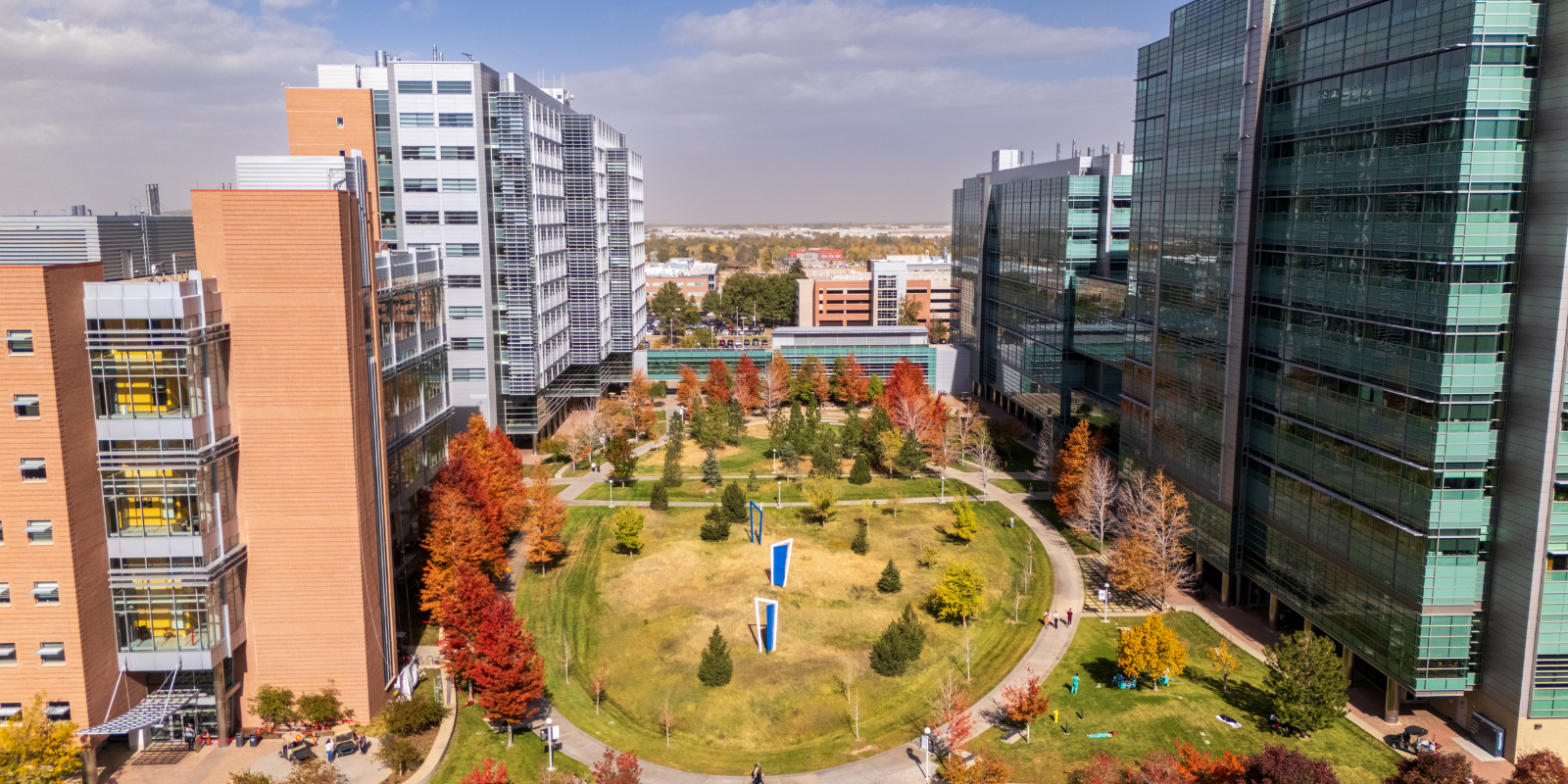
The University of Colorado Anschutz School of Medicine has received full accreditation for the maximum eight-year term, recognizing and ensuring that CU medical students receive the highest-quality training in classrooms and clinical settings.
The accreditation process is a rigorous review of all aspects of medical education — curriculum, training sites, support services, and leadership — to determine whether students are prepared to become practicing physicians with a commitment to lifelong learning.
The Liaison Committee on Medical Education (LCME) notified the university last week that it is fully accredited through the 2032-33 academic year.
The accreditation process is rigorous and thorough, involving hundreds of members of the school community since September 2022 in gathering records and preparing the documentation for the LCME’s detailed analysis. The LCME also conducted a site visit to campus in March 2025.
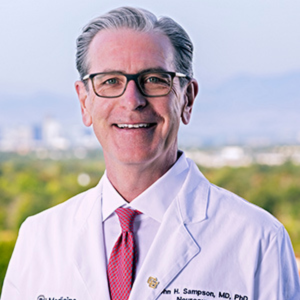
“I am very proud of the entire team for their dedication and attention to this process,” says CU Anschutz School of Medicine Dean John Sampson, MD, PhD, MBA. “Their dedication and professionalism are tremendous examples of the work done by everyone at the School of Medicine every day.”
Sampson thanked all who participated in the preparations for accreditation and specifically recognized Executive Vice Dean for Education Shanta Zimmer; LCME Faculty Lead Bonnie Kaplan, MD, MA; and project manager Kristen Hyden, MS, for their exceptional work that led to the impressive result.
“Full accreditation means we are free to continue the cutting-edge curricular advances and innovations that our school is known for,” Zimmer says. “I am excited about our ongoing plans to make medical education better and more responsive to the needs of our patients. Our faculty are role models inspiring our students to become outstanding physicians.”
The School of Medicine received accreditation after rolling out an ambitious redesign to its medical school curriculum.
In the Trek Curriculum, as it is known, students focus on the values of leadership, curiosity, and commitment while integrating basic science learning with clinical training. The curriculum emphasizes understanding health systems and communities, requires active pedagogical approaches, and reconfigures training in clinical settings so that all clerkship students progress through longitudinal patient and faculty relationships instead of traditional specialty blocks.
With its Longitudinal Integrated Clerkships (LIC), the CU Anschutz School of Medicine became one of the first and largest medical schools to adopt an all-LIC program. In this learning model, medical students form a panel of patients to follow through an entire year, working with patients who need ongoing care in multiple settings and specialties. For example, when a medical student treats a patient at a family medicine clinic, they may subsequently follow the patient in other medical settings such as the emergency department or for care at a surgical specialty clinic.
“We thank faculty, staff, and our clinical partners for their support of this innovative curriculum," Zimmer says. “It’s time-consuming and challenging, but it more accurately reflects the world of medicine we practice in. Our students complete medical school ready to be leaders and exceptional caregivers, improving the health of their communities. I look forward to continuing our progress.”
.png)