What is the main goal of using orthobiologics in orthopedics?
Overall, we are trying to understand how we can prime our own bodies to heal, whether that’s an injury or a chronic condition like arthritis. When we get a cut, our skin heals great, but if we have a cut in our cartilage, it doesn't typically heal. Certain tissues do a good job of healing and certain tissues don't. The question is how can we reprogram our tissues to heal? That’s the art of orthobiologics.
How exactly do orthobiologics harness the power of the body’s healing properties?
We harvest tissues from a patient, process them and give them back to enhance our body’s ability to heal. With platelet-rich plasma (PRP), which is one of the most popular orthobiologics, we take a person’s blood and then process it to extract components of the blood that can be used to decrease inflammation, pain and improve healing. We get rid of the other parts of blood, then concentrate these factors that are known to be beneficial, and then we inject that back into areas of need.
Other orthobiologics on the scene now include bone marrow aspirate concentrate (BMAC) and adipose-derived products (stromal vascular fraction [SVF], microfragmented adipose tissue [MFAT], nanofragmented adipose tissue [NANOFAT]).
Orthobiologics, especially PRP, are exploding in popularity for conditions such as osteoarthritis. Why does this treatment work so well?
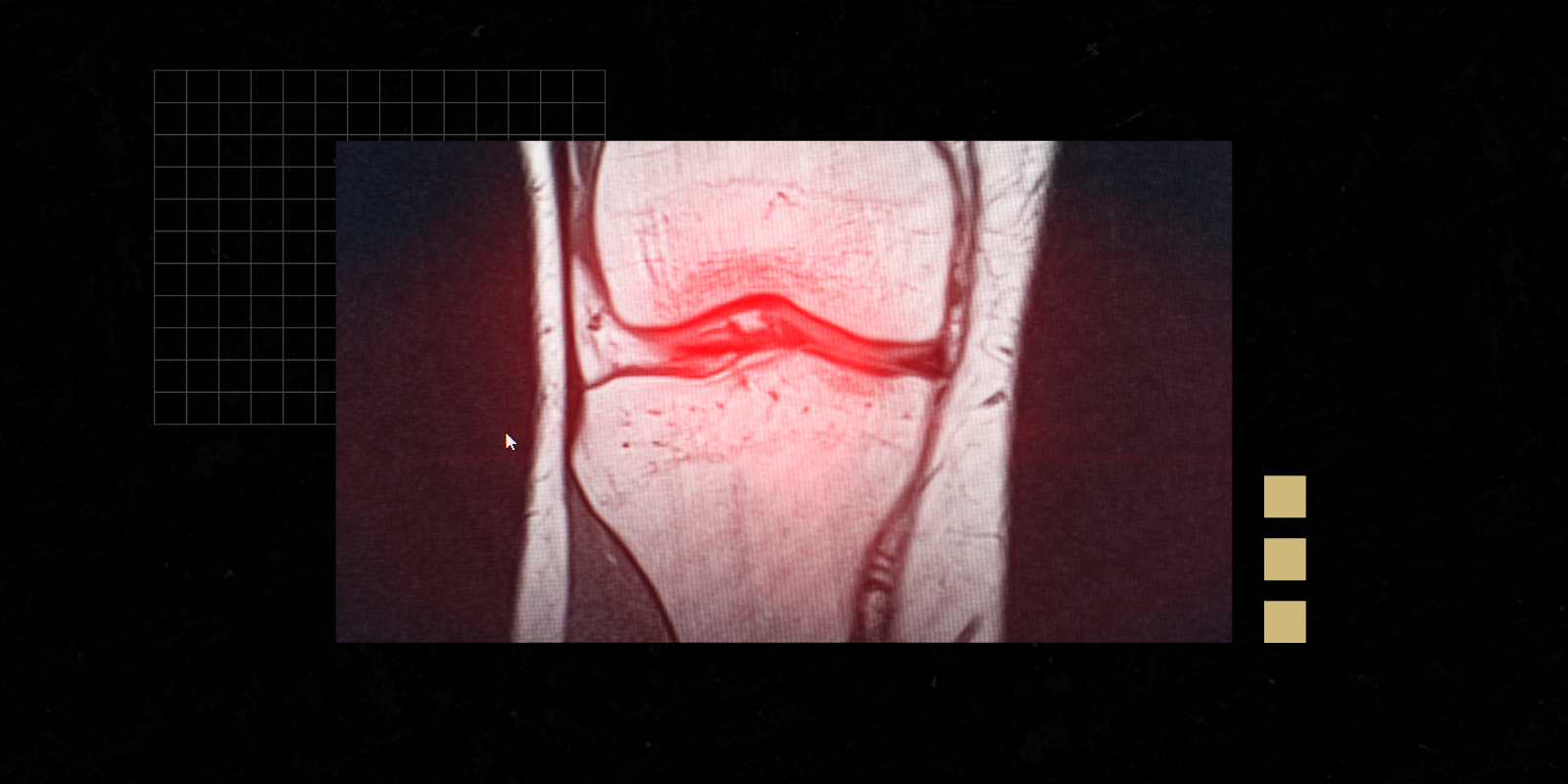
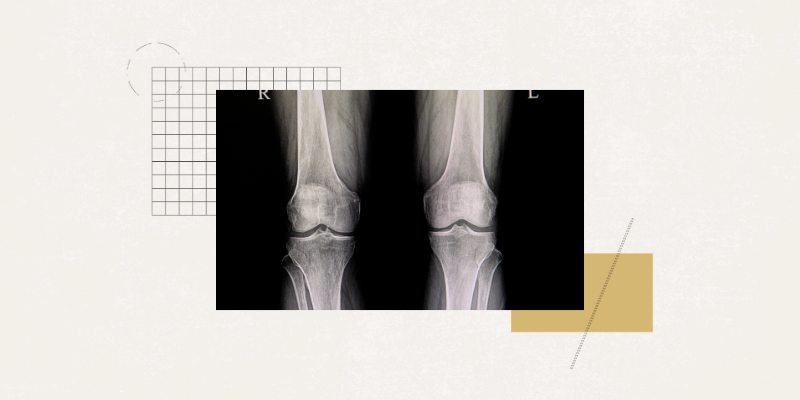
With osteoarthritis, the knee may be swollen and that may cause pain. We can inject an orthobiologic back into the knee to improve function, and decrease pain and swelling.
Rescent research points to a possilbe mechanism of action of cellular stimulation within the joint. These cells, monocytes and/or macrophages, can be changed by the treatment to maintain the joint environment for a longer period of time, more than the length of the time that the PRP is actually in the joint.
Research has been a big part of your mission to improve your patients’ lives. What does that look like?
We've developed a biologics laboratory where we perform over a thousand orthobiologic procedures per year. People come from all over the United States to our center to be treated with these different techniques.
One of the unique aspects of our center is that we have a bio banking process. The CURE Bank allows us to study every biologic that we give to patients. When we give a patient a dose of PRP, we take a small component of it and then watch how the patients do over time. Sometimes the patients do great, and other times they don’t respond as well as we hope. We can measure biologically what was in that biologic and we can compare who responds and who doesn’t respond as well.
With that, we’re learning how we can improve outcomes. In the future, we may be able to change the biologics so that even in patients who didn’t have favorable healing properties, we can hopefully enrich it in some way.
Does this mean that the methods of giving biologics are changing constantly?
Yes. The more that we learn from the science of examining everyone we treat, the more we understand.
Additionally, we can study tissues from the orthopedic surgeries we perform. We take little portions that typically are considered waste products from surgery, such as pieces of tendon that are normal or abnormal, and we learn the difference between the cells in normal tendons versus the abnormal tendons. We compare them so in the future we may be able to alter the abnormal cells in hopes of helping the tendon return closer to normal.
We hope that we can constantly continue to improve our understanding and techniques as we get more data. If we study and understand what's normal and what’s not normal in our body, such as the cells in orthopedic tissues, we can then have an opportunity to use technologies to reprogram our tissues to heal even better in the future.
We have the here and now and we will have future iterations, and so it's an exciting time in orthobiologics.
Who is a good candidate for an orthobiologic procedure?
This may be good for people with conditions that don't have good treatment options. We do have great ways of treating ACL tears, but we don’t have a lot of good treatments for osteoarthritis or muscle injuries.
In general, these procedures can offer relief for many months, sometimes years. For conditions that are chronic, like arthritis, the patient may need re-dosing over time. However, if it’s an acute injury, that would be more likely to be a one-time treatment.
With so much excitement over the promise of orthobiologics it seems important not to overstate potential benefits.
That’s correct. PRP won’t grow your cartilage back. It doesn’t take a joint that’s 60 years old and make it 16 again. But it will hopefully help you return to a higher activity level than before your treatment.