<img height="1" width="1" style="display:none" src="https://www.facebook.com/tr?id=799546403794687&amp;ev=PageView&amp;noscript=1">

A CU Anschutz Psychologist’s Guide to Gratitude Practices

Stephanie Lehto, PsyD, assistant professor of psychiatry, explains why a nod to the day’s small wins works and how to get started.

minute read

by Kara Mason | November 10, 2025
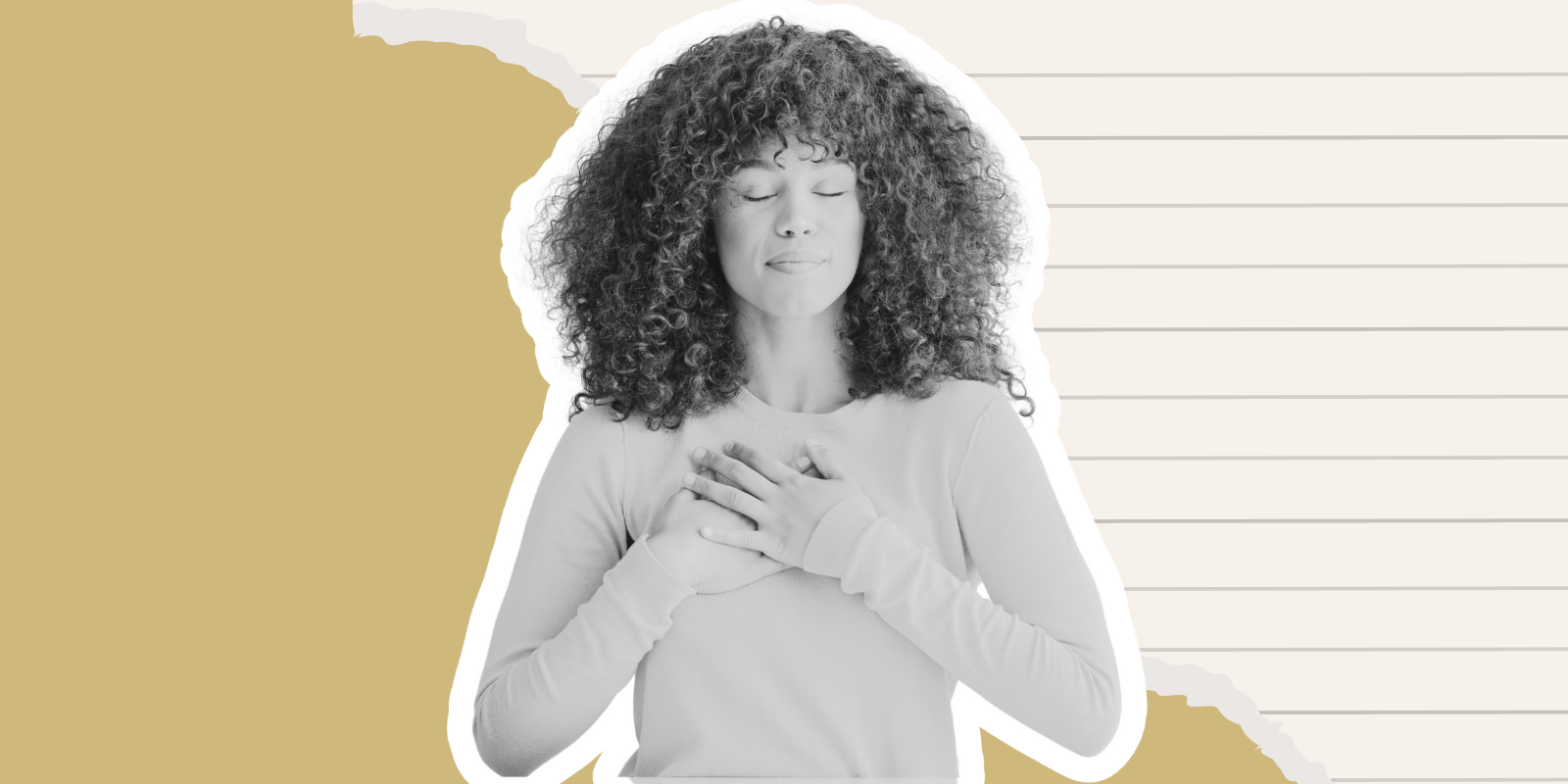
Black and white image of a woman holding her heart and taking a deep breath.

Hitting all the green lights on the way to work. A steaming hot latte. A stranger’s compliment in the elevator.

Acknowledging these small moments may have a big impact, says psychologist Stephanie Lehto, PsyD, assistant professor of psychiatry at the University of Colorado Anschutz School of Medicine and clinical director of student and resident mental health and faculty and staff mental health services.

For many, gratitude practices have become an important part of fostering good psychological health. Research supports that spending a few minutes each day feeling thankful can improve mood and may help with depression and anxiety.

It may even be good for physical health. Some research has shown that gratitude practices may be good for sleep, alleviating chronic pain, and boosting immunity.

We asked Lehto to explain how to make the most of a gratitude practice and why they work. Her advice? No ritual is too small and it’s OK to craft a practice that works for you. Here are her tips and tricks for making a routine stick.


Q&A Header

What is it about gratitude practices that seem to give mental health a boost?

It’s about being able to shift our mindset so that instead of focusing on the negative things and the complaints and all the hard parts of our day we recognize the aspects we appreciate. This can be a protective factor for mental health, ease anxiety and depression, and generally just help improve mood and help us have a better attitude.

Research has shown this is the case. One study conducted during the pandemic revealed that individuals who had higher levels of gratitude pre-pandemic actually had a sort of buffer for their mental health. It was able to help them have a more positive outlook during times of uncertainty and stress and lessened mental health difficulties.

Do these exercises need to look a certain way?

There are many ways people can practice gratitude. Some people like to keep a journal and write it out, while others may be better off with expressive gratitude, which is when we share it with others. Just a few minutes of this a day can help shift a mindset from “everything is horrible” to “these are a few good things that happened throughout the day.”  

If you’re new to gratitude practices, it’s OK to start really small. You can ask yourself simple questions like:

  • What is something that happened today that I can be thankful for?
  • What was something somebody shared with me that made me feel good?
  • What is something that felt like a win today?

If you feel like talking it out is better, a quick text to a friend about what you’re grateful for that day or week can be a nice practice, too.

There are certainly times when it can be difficult to conjure up gratitude. Do you have any advice those days?

Right, it’s not always an easy exercise. If you’re dealing with anxiety or depression, it can feel annoying when you first start. Sometimes when I work with individuals with depression, they wonder why they would want to be positive when it doesn’t feel genuine.

Still, it’s possible to take note of the day’s wins, and when we do acknowledge them, there’s a shift in mindset.

An example of this is going from, “I was late to work because of traffic” to “I’m grateful I had a safe commute today.” You don’t need to negate your experiences but rather find ways to think about them in a different light.

So, gratitude can even be more neutral?

Yes. It can be such a big swing to go from everything is awful and bleak to everything is wonderful and I’m so grateful. In those cases, I have people practice making neutral statements. This is what mindfulness is all about, recognizing the present.

The fact that gratitude practices can look so different to each person makes it such an interesting and encouraging method for supporting mental health.

I think that people like that there’s no right or wrong when it comes to gratitude. In one of my groups I work with, we end with sharing a gratitude for the week. Some people say things that may seem small, like the flowers are blooming or that they had a good sandwich for lunch. It’s all about perspective, so it not something that can be guided in any way. Practice however makes sense for you, whatever feels right for you.

Featured Experts
Staff Mention

Stephanie Lehto, PsyD