VO2 max, the measure of how much oxygen the body consumes during exercise, has become a ubiquitous tool for professional athletes, but health experts increasingly say it’s a measurement worthy of every exerciser’s attention.
“If somebody were to ask how good of shape they are in, there are a lot of ways people may describe their fitness level — maybe they can run a mile in five minutes or bench press 300lbs — but VO2 max is the gold standard metric of fitness,” says sports cardiologist William Cornwell, MD, an associate professor of medicine in the Division of Cardiology at the University of Colorado Anschutz School of Medicine.
In VO2, the V represents volume while O2 represents oxygen. Most often, this measurement is represented as ml/kg/minute, or milliliters of oxygen per weight in kilograms that the body consumes, per minute of exercise.
The higher a person’s VO2 max is, the more oxygen they are consuming. That oxygen, pumped by the heart, makes its way to exercising muscles, which generate adenosine triphosphate (ATP), the main source of energy inside your body.
Understanding this score can be an overall marker for health and help improve fitness for the long haul.
VO2 max and longevity
Cornwell says VO2 declines by about 10% per decade through adulthood and then more, about 20% per decade, as a person reaches their senior years.
“If everybody’s fitness level is going to decline precipitously, from a preventative standpoint, you want to start with a VO2 max as high as you can,” he says.
The primary method of improving your VO2max is exercising routinely and starting earlier in life.
“It's kind of like saving up for retirement. You don't save up for retirement when you're 60 years old. You start saving up for retirement when you're in your 30s, 40s, and 50s, so that when it's time to retire in your 60s and 70s, you're able to enjoy and reap the benefits of your hard work,” Cornwell says. “It’s the same exact thing from a health and metabolic standpoint. To enjoy your 60s, 70s, and 80s, from a health standpoint, you need to have invested in your health in your 30s, 40s, and 50s.”
Exercise can reduce the risk of heart disease, stroke, cancer, dementia, diabetes, and other conditions that can influence longevity – which is why many health organizations recommend getting 150 minutes a week of moderate intensity exercise.
Cornwell says for many of his patients this equates to a brisk 30-minute walk five days per week.
Often, patients ask Cornwell if it’s too late for them to start working on improving their VO2 max and exercising to promote heart health. Enthusiastically, he says, for most people it’s not.
“I have some patients who are overweight and obese, and they are worried that it's too late to exercise because they weigh too much. That’s not the case,” he says. “There are very nice data demonstrating that regardless of your weight, if you meet those exercise guidelines of 150 minutes of moderate intensity per week, your risk is significantly reduced compared to not exercising.”
Learning your VO2 max score
Most professional athletes have easy access to clinicians and technology that can measure VO2 max, but for the average person, getting an accurate reading will likely require consulting with a doctor or visiting a lab.
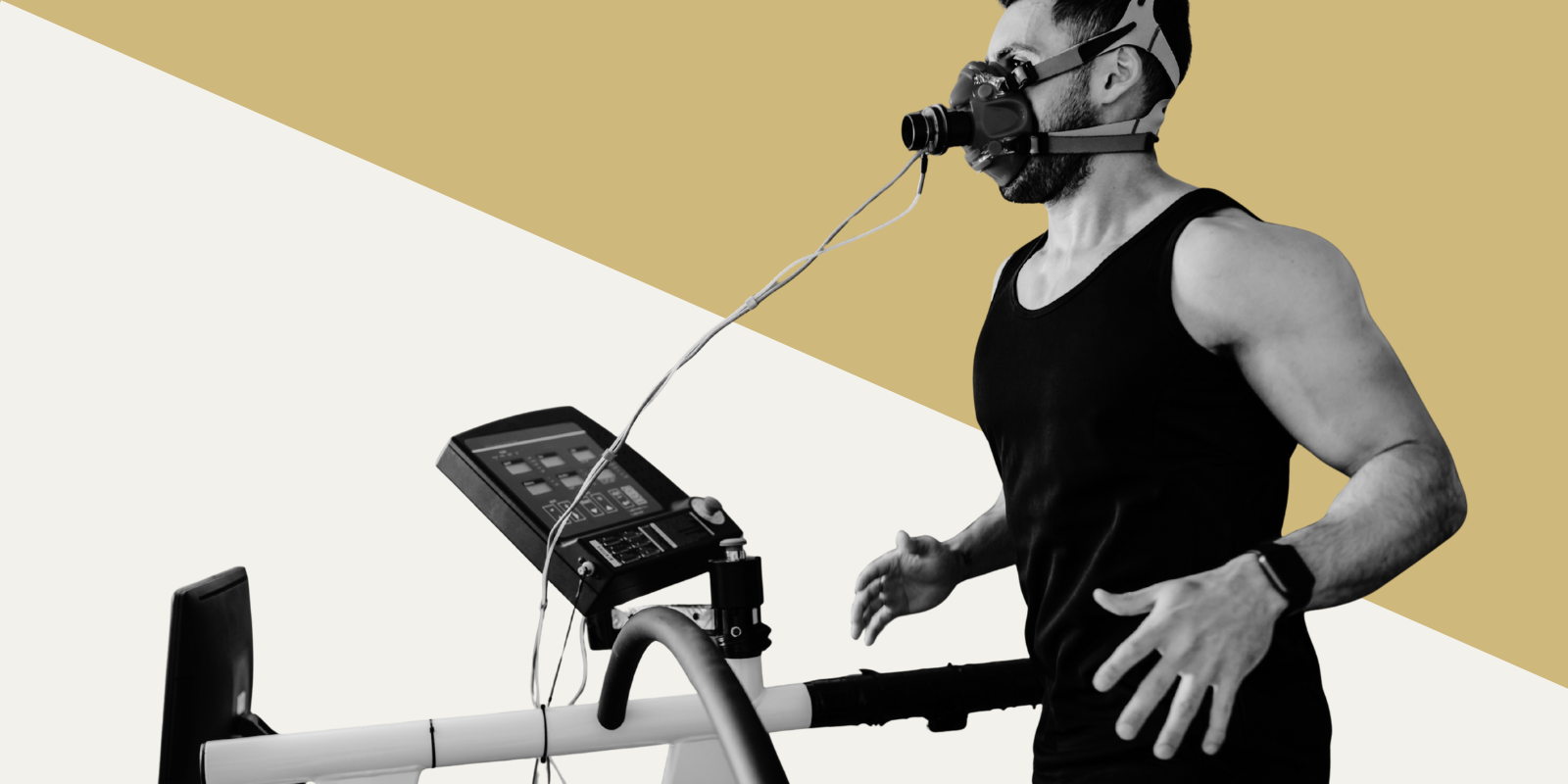
Clinicians can perform a cardiopulmonary exercise test (CPET), which requires the person to wear an oxygen mask while exercising, usually running on the treadmill or biking. This kind of test requires specialized equipment and specialized training to perform and interpret.
Some wearables now offer VO2 max metrics, but they don’t always deliver results that match formal measurements.
“I've seen many patients where their wearable matches closely with VO2s that I measure directly on a formal CPET. And then I have many patients where they don't match at all,” Cornwell says.
A person who wants to improve their health, fitness, and diminish their odds of developing diseases, especially those that affect the heart, may find benefits in learning their VO2 max. However, Cornwell advises patients not to become so hyper focused on a number that they lose focus on the big picture.
“That big picture is improving health and reducing risk over time,” he says. “There are lots of ways we can do that, and this is a piece of the puzzle that can help people live long, healthy lives.”