<img height="1" width="1" style="display:none" src="https://www.facebook.com/tr?id=799546403794687&amp;ev=PageView&amp;noscript=1">

An Orthopedic Surgeon’s Advice for Avoiding Ski Season Injuries

The weeks leading up to a day on the slopes are a big part of staying healthy, says CU sports medicine physician Eric McCarty, MD.

minute read

by Kara Mason | September 17, 2025
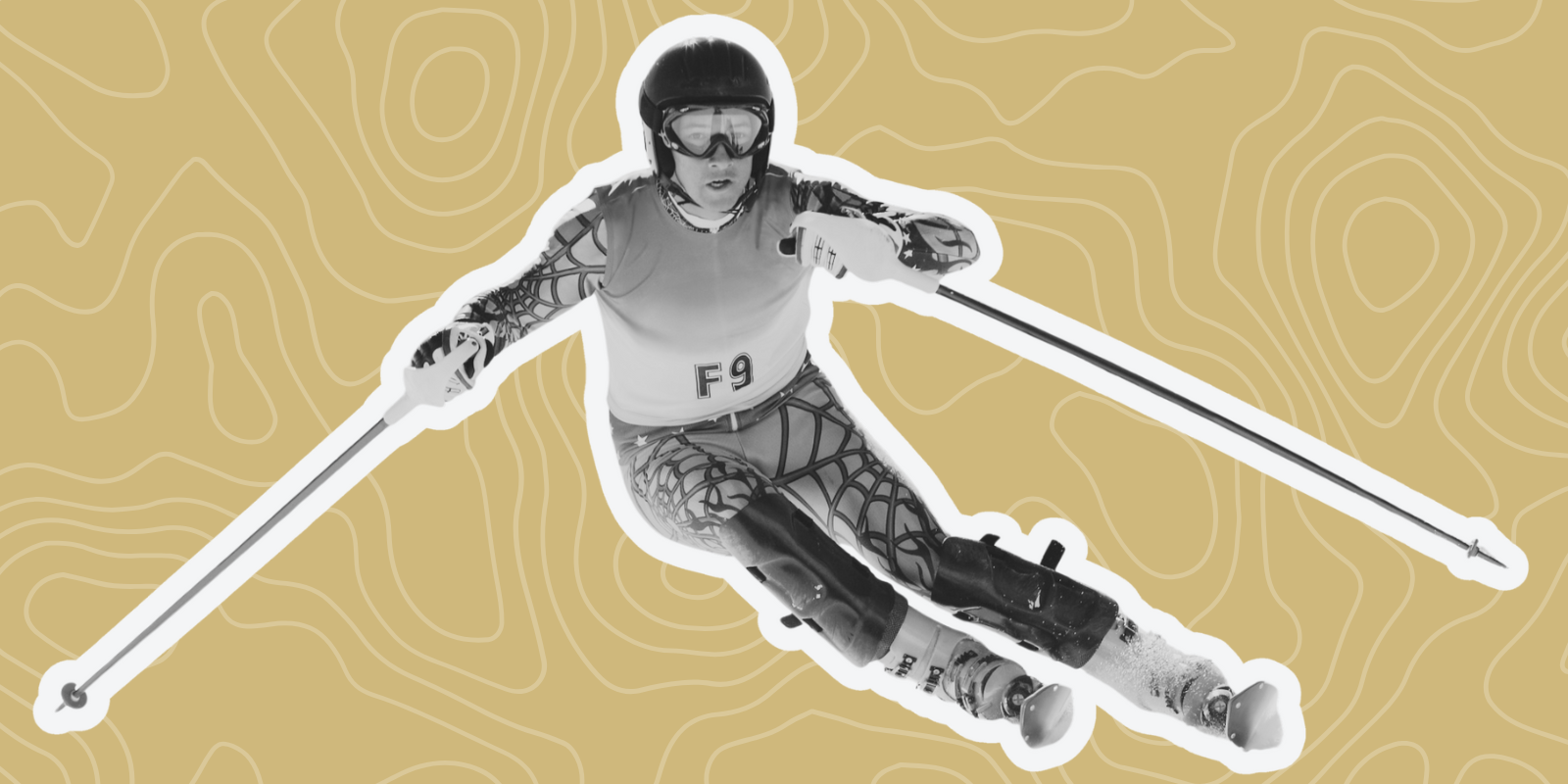
cut out sticker of a skier in black and white. A gold background with a while topography map

After a weekend of impressive snow totals or pristine bluebird conditions across Colorado’s high country, orthopedic surgeon Eric McCarty, MD, can usually expect a busy schedule.

This is when injured skiers typically find their way to his care. Often, it’s an anterior cruciate ligament (ACL) injury, medial collateral ligament (MCL) injury, bone fracture, or joint problem in the legs, shoulders, or hands that’s causing pain and swelling.

McCarty, professor of orthopedics at the University of Colorado School of Medicine, says he’s just about seen it all in his more than two decades with CU, where he’s also head team physician and provides care for the CU ski team. 

“Sports medicine is a rewarding specialty to be in because it allows someone like me who enjoys the outdoors and athletics to help treat people who also enjoy those things get back to it and keep doing it – which is good for the mind, body, and soul,” he says.

Injuries on the slopes can happen in an instant – but preventing them is not entirely impossible. McCarty talks about the injuries he sees and explains why pre-ski season conditioning should be a top priority for winter athletes of all skill levels.  

Q&A Header

What ski injuries are you seeing the most?

It can really run the gamut. But a large portion of what we see is knee injuries because of the fulcrum of the knee with the long ski and fixed ankle in the boot. That ski can get twisted and therefor twist the knee. This leads to a lot of ACL injuries. There are also a lot of MCL injuries and fractures that make their way into the clinic.

Shoulder and hand injuries also end up in our care, too, because people fall.

Treatment largely depends on the severity of injury. When should a person seek out care?

If you’re experiencing immediate swelling, you should probably have it looked at. If it’s just sore, no swelling, physical therapy or rehab might be the right option, but it does take an assessment to figure out what’s best.

With knee injuries, if it hurts to walk, that’s a good sign to see an expert.

In many of the cases I treat, the solution is surgical. With ACL surgery, that can be a nine to 12-month recovery period. So, it takes times to heal and be able to return to the same level of mobility as before the injury.

What can skiers do to prepare for the slopes?

Building up endurance prior to ski season is a good place to start. This can take about six to eight weeks. Just like training for anything, it’s a process and doesn’t happen overnight.

Put your body into some good dynamic exercises, which you might not get from only practicing cardio or only weightlifting – although those can be important. Afterall, being in good cardiovascular shape is crucial at altitude. In addition to that, focusing on core strength and balance can make a difference on the slopes.

Keep the body flexible. Stretching routines help, too.

Conditioning classes have become popular, especially here in Colorado. Are those a good idea?

They certainly can be. In these types of classes, you’re doing a lot of those very dynamic workouts, which focus on the quads, hamstrings, and incorporate flexibility.

What other factors should skiers be on the lookout for to help prevent injury?

You want to avoid high risk behavior. Know your limit, know the ski area, know the weather conditions. All these things can contribute to situations where you’re more likely to injure yourself. If you’re consuming alcohol, know that it impairs your cognitive ability and this can put you at a higher risk for injury.

If you’re a beginner, take a few lessons to prepare yourself. A lot of injury prevention starts with education.

These are all great things to keep in mind. You’ve been taking care of skiers for over two decades, have you developed your own pre-season routine to stay prepared for the slopes?

It’s mostly keeping in good shape throughout the year. When I do ski, I stretch before going out, and I start off with easy runs to warm up the legs.

Featured Experts
Staff Mention

Eric McCarty, MD