A University of Colorado School of Medicine researcher who suffers from benign paroxysmal positional vertigo (BPPV) and had to “fix it” before she could go to work one day was using a maneuver to treat herself that only made her sicker. “So I sat down and thought about it and figured out an alternate way to do it. Then I fixed myself and went in to work” and discovered a new treatment for this type of vertigo.
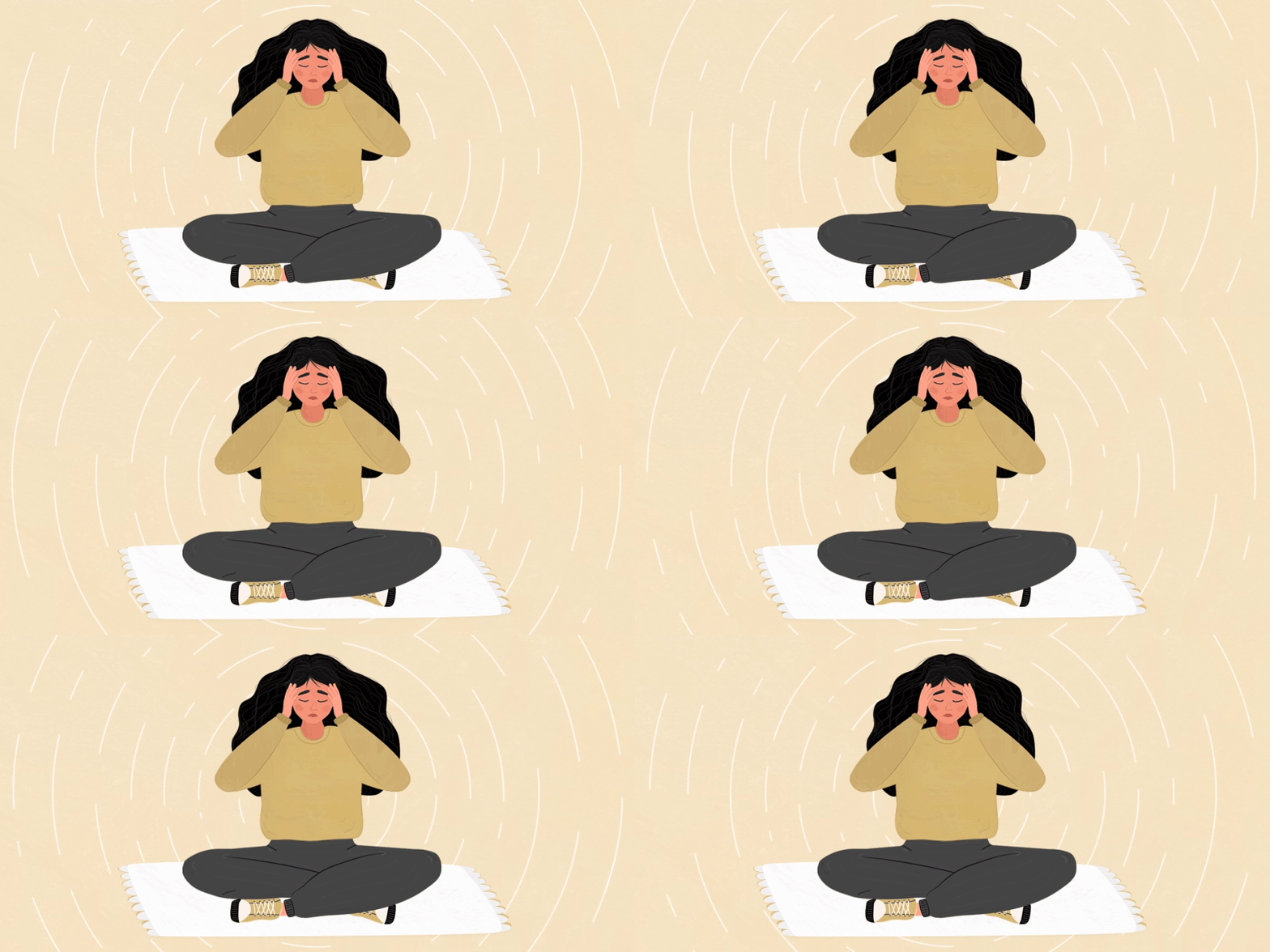
More than seven million people in the U.S. can expect to have benign paroxysmal positional vertigo (BPPV), a common vertigo disorder, especially as they age. The disorder causes more than a quarter of the vertigo experienced worldwide and has a lifetime prevalence of 2.4 percent.
BPPV occurs when tiny particles, or otoconia, that sense gravity move into the wrong part of the ear. The symptoms can be relieved by maneuvers that relocate these particles. After treatment there is a tendency for this accidental particle entry to recur, and treatment is needed each time this happens.
Symptoms of BPPV
- The world spins briefly when you make certain rapid head movements;
- The vertigo can be severe enough to cause nausea and vomiting;
- Most BPPV spells occur around bedtime or when you are getting out of bed in the morning and improve once you are upright;
- Some people continue to feel mildly off-balance during the day;
- Hearing is not affected by this disorder;
- There are some forms of BPPV that cause more severe and prolonged vertigo.
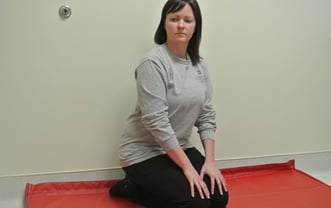
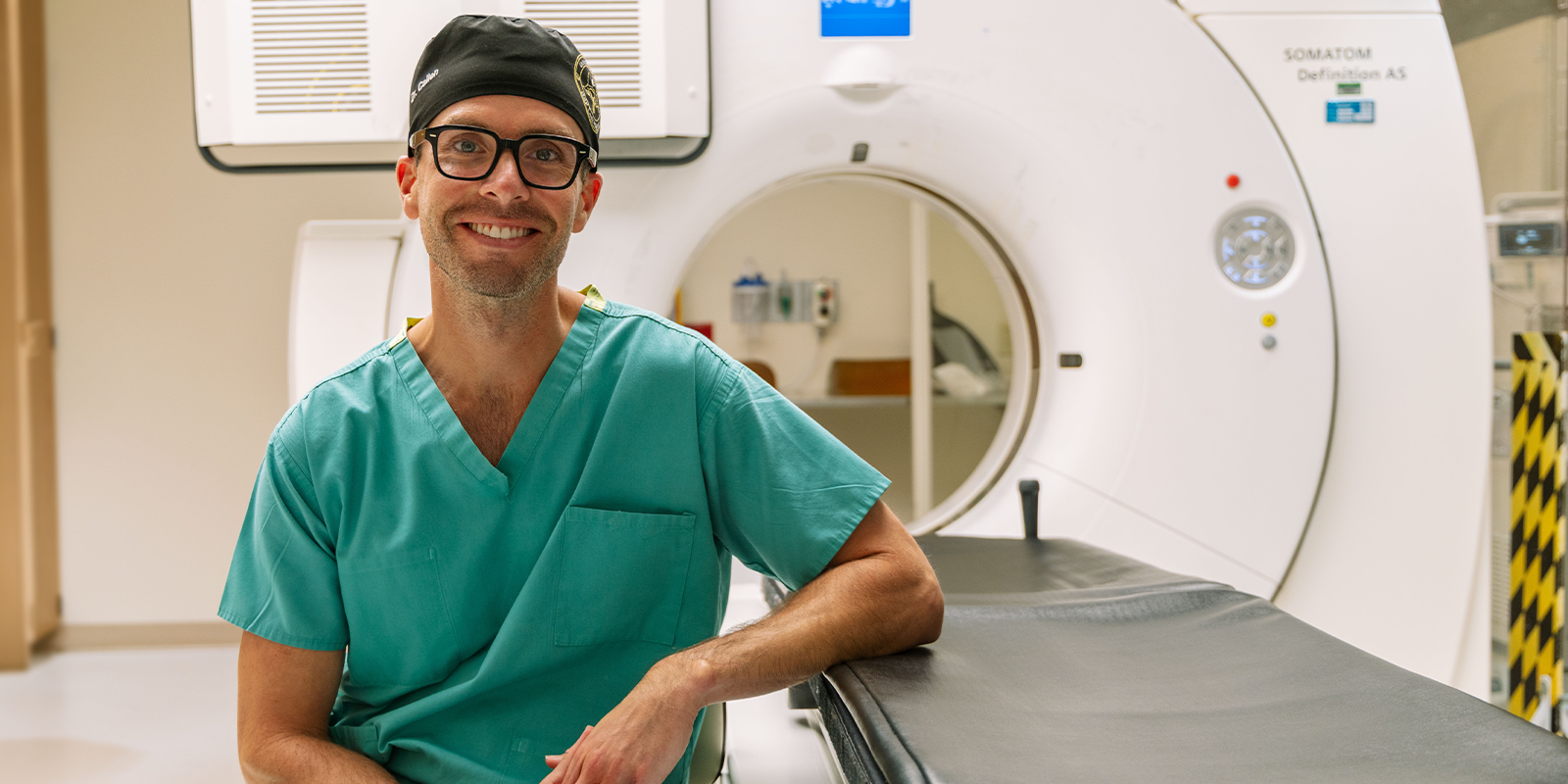
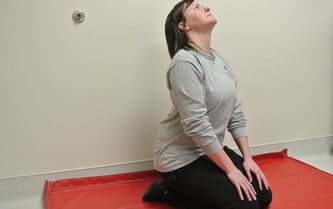
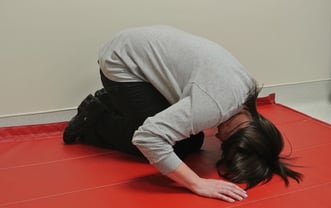
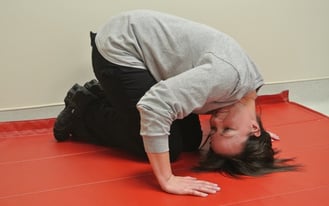
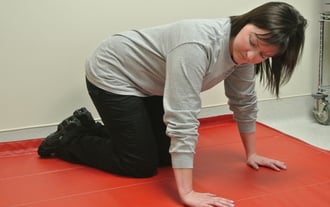
Carol Foster, MD, professor emerita in the department of Otolaryngology at the University of Colorado School of Medicine, devised a new exercise, the Half Somersault Maneuver. It can be used as an alternative to the more common Epley maneuver. She explains the exercise in detail in her book, "Overcoming Positional Vertigo."
Epley maneuver
The Epley maneuver is one that is applied by a physician or physical therapist and can be used at home and is effective in approximately 90 percent of cases but these exercises can be hard to self-apply, because they cause severe vertigo during the exercise and require a precise sequence of head movements that usually require an assistant. During these maneuvers, there is also a risk that the particles can be moved into other spinning sensors, resulting in an increase in symptoms rather than improvement.
Half Somersault maneuver
Instructions for vertigo home remedy |
|
Download the directions on how to perform the Half-somersault Maneuver at home. |
“The Half-somersault Maneuver however reduces this risk while allowing the particles to be quickly relocated without the need for an assistant. Our research team compared the Epley maneuver to the Half-somersault Maneuver when used as a home exercise. Both exercises were able to relieve symptoms of the disease; patients reported less dizziness and had fewer complications when self-applying the Half-somersault Maneuver. Because the exercise can be performed by most people with the disease, its home use should result in considerable savings in health care costs both for consumers and health plans” Foster said.
Key differences
- Fewer recurrences of BPPV with the Half Somersault maneuver. Recurrence rate with Half Somersault is relatively low, with studies showing a recurrence rate as low as 5% in some cases. Recurrence rate after the Epley maneuver is relatively high, with studies showing 13%-68% likelihood of returning symptoms within two years, and about 15%-20% within the first year.
- Half Somersault maneuver is designed to allow people to remove particles from the semicircular canals in their ears by themselves, without anyone else present to help.
- Half Somersault maneuver is designed to help prevent particles from falling into the horizontal canal after they have been removed from the posterior canal. In the Epley maneuver, this occurs in about 5-10% of cases, instead of out of the ear system.
This study compares the two procedures and has been accepted and will be published in the new online open-access journal, Audiology and Neurotology EXTRA, a subjournal of the prestigious Karger publication, Audiology and Neurotology.
Key points
- Benign paroxysmal positional vertigo (BPPV) affects more than 7 million people in the U.S. and is responsible for more than a quarter of the vertigo experienced worldwide.
- CU Anschutz Professor Carol Foster, MD, devised a new exercise to relieve the symptoms of BPPV. It’s called the half somersault maneuver and can be done in a few minutes at home.
- The half somersault maneuver – a five-step exercise – is an alternative to the more common Epley maneuver.
- Recurrence rate of BPPV symptoms with the half somersault maneuver is as low as 5%, while recurrence after the Epley is as high as 68% within two years
- Because both exercises can be performed at home, their use would be cost-effective for both consumers and health plans.
Half-somersault Maneuver (right ear)
Step-by-step instructions (5 steps) on how to treat vertigo:
Step 1:
Step 2:
Step 3:
Step 4:
Step 5: