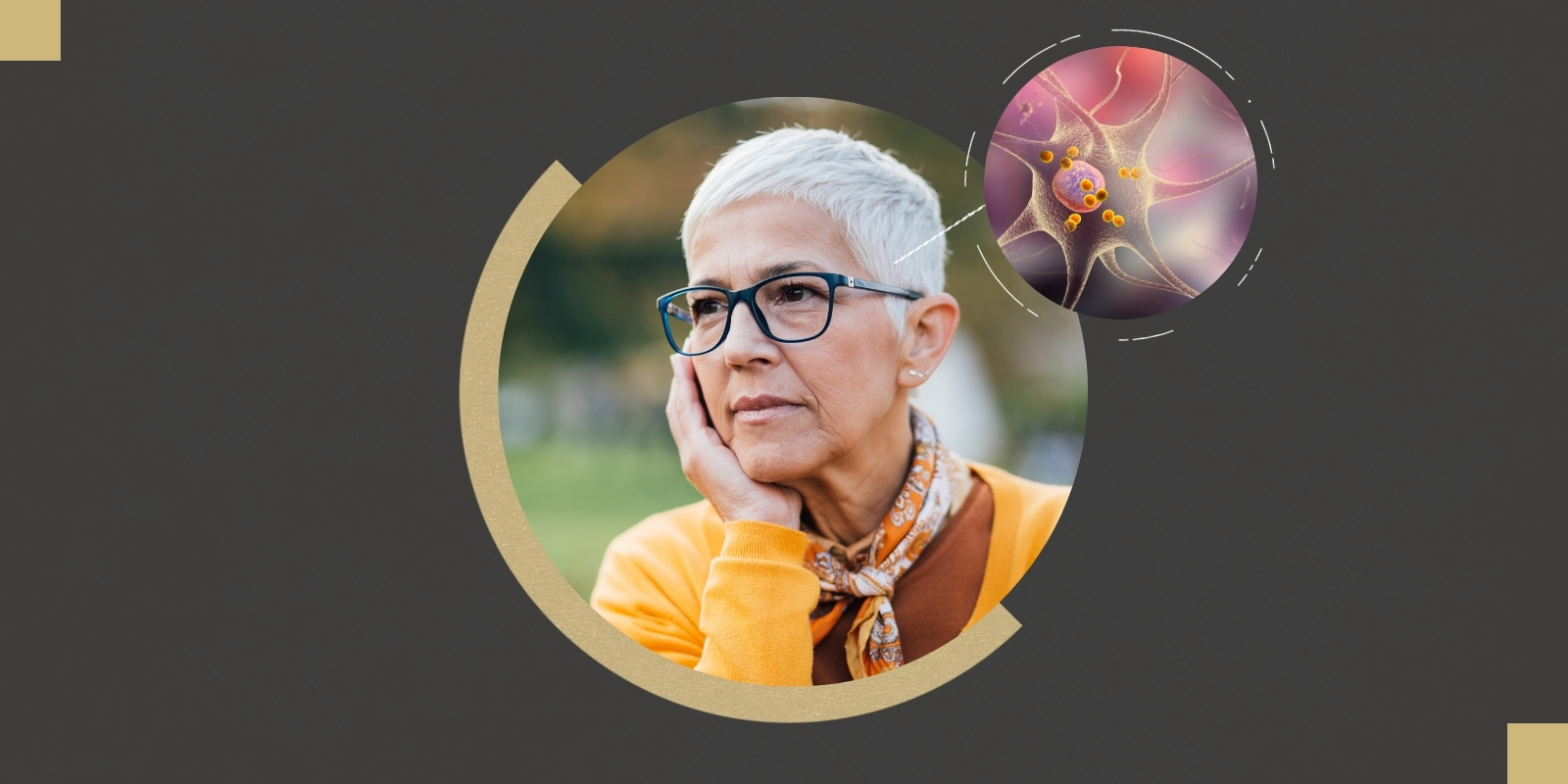
What is the origin of esketamine?
Around 2000, ketamine – a widely used surgical anesthetic – was found to be very effective in treating MDD. And it seemed to act really rapidly while using dosages that were very much lower than what an anesthesiologist would be using to help someone achieve proper anesthesia during surgery. Around 2019, a pharmaceutical company, Johnson & Johnson, came up with the version of ketamine called esketamine (Spravato), packaged it in an intranasal version and got approval to treat TRD.
Who qualifies for esketamine treatment?
Patients who have failed to respond to at least two standard treatments for depression, which include oral antidepressants and different types of psychotherapy. Once they haven't responded to that standard care, it's really important that we get them into more advanced therapies. Often, they have very severe symptoms. Some of them are on the verge of needing to be hospitalized. They often feel like this is a last-ditch effort for them in terms of options for treating their depression.
Why choose your esketamine clinic over other establishments that offer ketamine off label (for a condition that it’s not approved to treat)?
As an academic medical center, we hold ourselves to a very high standard in terms of how we practice. Safety is a premium. All patients undergo an initial evaluation with me. Then at each treatment session, they are always assessed by either me personally, or another psychiatric practitioner trained in esketamine administration.
Also, intravenous or intramuscular ketamine is rarely covered by a person’s insurance. So the out-of-pocket cost to a patient can be anywhere from $250 to $500 per administration, and for a full treatment course (many clinics require at least six initial sessions plus maintenance sessions), that gets expensive fast. Since our service is covered by most insurers, the cost to the patient is substantially less.
From the battlefield to the OR: Ketamine was derived from phencyclidine (PCP) by researchers seeking a safer and more effective anesthetic. It was first widely used in the 1970s by veterinarians and on the battlefields of the Vietnam War, where it was valued for its rapid action. It is now a common surgical anesthetic.
What has the treatment response in your clinic been like?
About half of our patients achieve what we call a significant response, meaning they see about a 50% reduction in their symptoms. So, you can imagine someone coming in with a standardized depression score of 20, which is in the severe range, and they go down to about a 10, which is close to the mild to moderate range.
And then about a third of our patients or so go into what we would call remission. They have such minimal depressive symptoms that if I were to meet them for the very first time, I would not be able to diagnose them with a major depressive disorder. And so essentially their depression is gone.
But it’s not cured, correct?
No. Unfortunately, one of the disadvantages of ketamine and esketamine is that the durability, or duration of effect, is rather limited. If someone were to just stop the treatment, they would very likely relapse. And so, we need to continue to treat them. They go into maintenance treatment. This consists of coming in every week, every other week, sometimes every three weeks or so, for ongoing treatment to keep them in this state of having minimal symptoms of depression.
What is treatment in your clinic like?
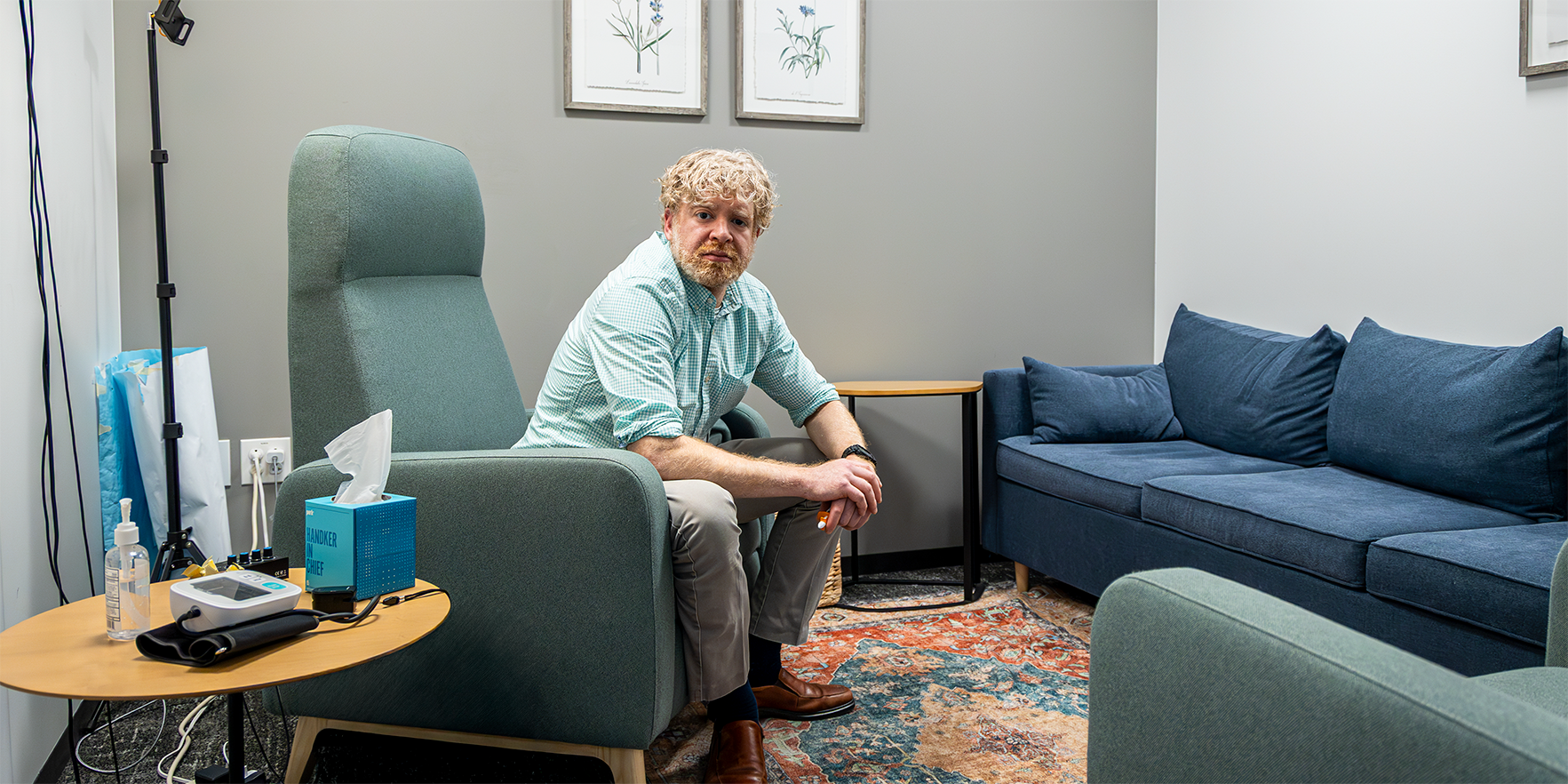
We have specialized rooms that are designed to ensure that there is a good environment for patients to take a very psychoactive drug. The drug induces an interesting state in most people that we call dissociation, which is kind of a catch-all phrase for changes in the way that the environment is experienced.
Sometimes people feel like they're a bit outside of themselves. They feel like time is passing differently. Sensations are a bit different. It's not necessarily pleasurable or unpleasurable, but definitely different than effects of standard antidepressant treatments. We monitor them there while they're having this experience for about two hours, and we repeat this treatment about twice a week for about a month in hopes of seeing a good response,
Are these patients also receiving talk therapy in conjunction with esketamine treatments?
While patients are under the influence of the drug, they aren’t undergoing any type of talk therapy. Instead, we really encourage people to try to relax and use the time as a respite from the stressors of the outside world.
But therapeutic work is important outside of their treatment sessions. The way we think esketamine works is that it opens up this window of neuroplasticity – a window where the brain has the ability to change. And so it's really important that we drive that in a certain direction.
Psychotherapy is a big part of that where they learn how to respond to their environment in different ways. Where they learn to counter automatic negative thoughts and deal with stressors in a more adaptive way.
More innovative care on campus:
In addition, I will recommend that people try to engage in positive experiences where they learn – possibly for the first time in a very long time that: “Hey, going out with friends is fun” or “I really enjoy looking out on the mountains every day.”
And so not only is the esketamine giving them that ability to experience that; it's also giving them the ability to learn that that experience is good, and that they want to do it again. It’s rewiring things a bit compared to what was happening to them in their depressive episode when they were likely very withdrawn and had difficulty appreciating things.
Is there anything you would like to add?
As the only academic medical school in the state, it’s important that we have the capacity to provide patients with advanced treatments and take care of those that haven’t responded to more conventional treatments. When people aren’t depressed, they become better spouses, parents and friends. They’re able to do their job as doctors, students, journalists and public servants. And I have the privilege of going to bed at night knowing that I’ve contributed to that.



%20(1).png)
.jpg)