

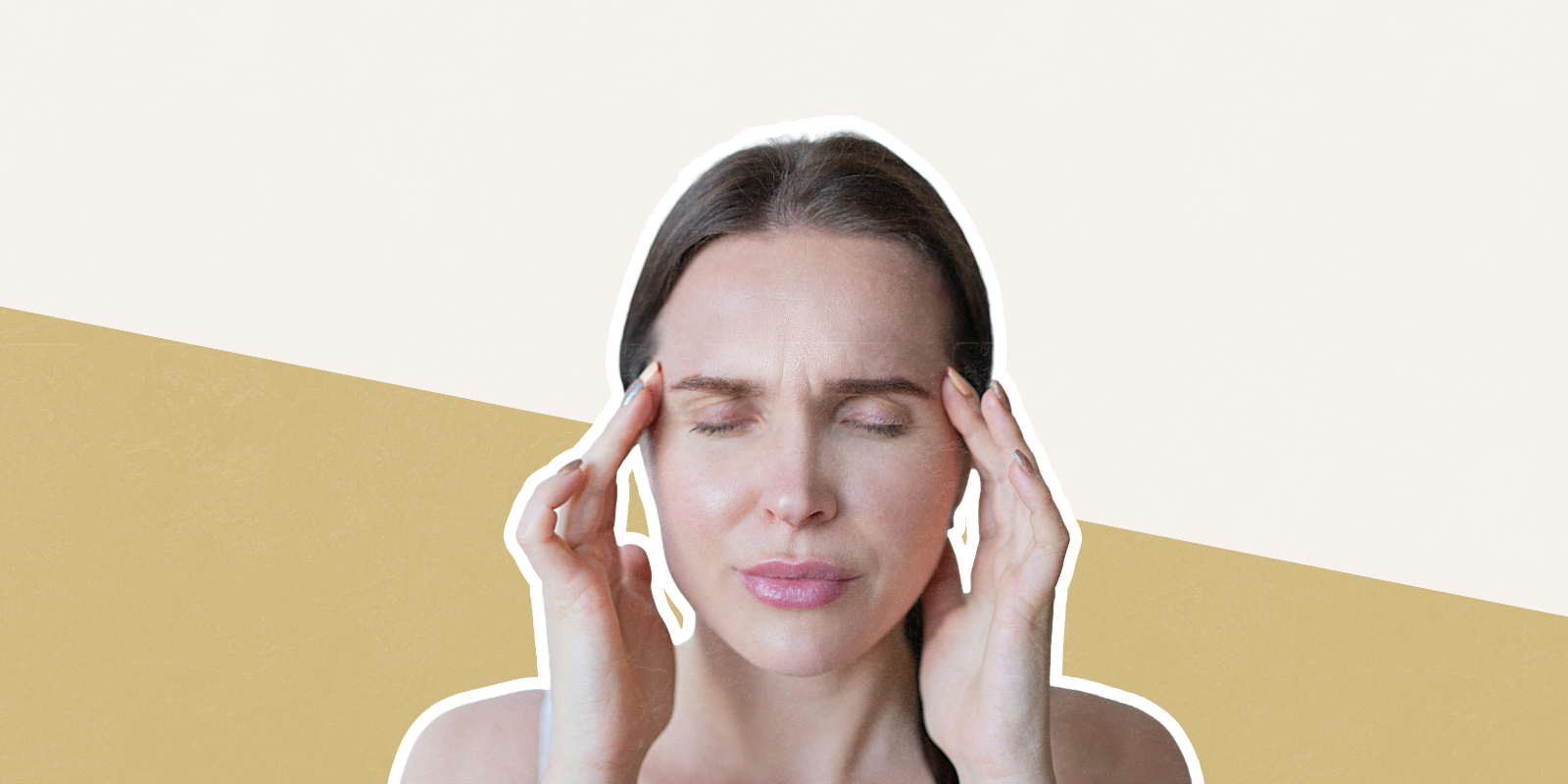
People with chronic back pain process everyday sounds differently, and more intensely, than people without pain, according to new research from the University of Colorado Anschutz.
Published today in Annals of Neurology, the study is one of the first to tie this sound hypersensitivity to specific, measurable changes in the brain, indicating that chronic back pain affects far more than the back. The research also shows there’s an effective treatment that can help.
“Our findings validate what many patients have been saying for years: That everyday sounds genuinely feel harsher and more intense. Their brains are responding differently, in regions that process both the loudness of sound and its emotional impact," said the paper’s senior author, Yoni Ashar, PhD, assistant professor of internal medicine and co-director of the Pain Science Program at the University of Colorado Anschutz School of Medicine.
"This tells us chronic back pain isn’t just about the back. There’s a broader sensory amplification happening in the brain, and that opens the door for treatments that can help turn that volume down,” Ashar said.
The takeaway:
New research from CU Anschutz found that people with chronic back pain experience everyday sounds as more unpleasant because brain regions involved in sensory and emotional processing respond differently. The study also found that Pain Reprocessing Therapy reduced this heightened brain response, suggesting that sound sensitivity associated with chronic pain may be treatable.
The researchers compared self-reported and neural responses in 142 adults with chronic back pain relative to 51 pain-free controls. All participants, including controls, underwent brain imaging. During the MRI session, the researchers had participants do several tasks, such as listen to sounds while the researchers asked participants how unpleasant the sounds felt and measured how strongly key brain regions responded.
The differences between chronic pain patients and healthy controls were large. The researchers found on average, they reacted more strongly than 84% of people without pain.
Scans suggest changes in the insula in the brain
They also found in the scans that changes were not happening in the initial auditory processing areas, but were happening higher up in the brain. In particular, the scans showed stronger responses in regions that process sound (the auditory cortex) and emotional sensations (the insula). At the same time, they saw lower activity in brain regions that normally help calm or regulate reactions, like the medial prefrontal cortex.
The researchers also looked at treatment options and assigned participants with chronic back pain to one of three groups:
- Pain Reprocessing Therapy (PRT) – therapy sessions designed to help people reinterpret pain as due to brain amplification rather than just back problems.
- Placebo treatment – a saline injection delivered within a supportive, clinical setting.
- Usual care – participants continued whatever treatments they were already using.
They found that out of all the treatments, Pain Reprocessing Therapy was the most effective. It not only reduced the heightened brain response to sound but also increased activity in brain regions involved in regulating unpleasant experiences.
“This shows that the brain’s exaggerated sensory response can improve with psychological treatment so instead of being something patients are stuck with, this sensitivity is treatable,” said Ashar. “These findings add to growing evidence that chronic back pain is not just a problem in the back. The brain plays a central role in driving chronic pain by amplifying a range of sensations – such as sensory signals from the back, sounds and likely other sensations as well."
Further study planned for unanswered questions
Past research from Ashar found that Pain Reprocessing Therapy led two thirds of participants with chronic back pain to become pain‑free or nearly so after treatment, far outperforming the roughly 20% improvement seen in the placebo group.
The research also raises several important questions, including whether this heightened sensitivity is a cause of chronic back pain or a pre‑existing vulnerability to develop chronic pain. Early evidence from other groups suggests that people who are naturally more sensitive to sensory input may be more likely to develop chronic pain after an injury.
It also remains unclear whether the amplification extends to other senses, such as light, smell or taste, or whether this happens with other chronic pain conditions. They say their next study will test sensitivity across additional senses to determine how widespread this amplification truly is, and whether one central brain regions may be responsible for this amplification across the senses.
Key points:
Chronic back pain may change how the brain processes everyday sounds.
Brain imaging identified differences in regions involved in sensory and emotional processing.
Pain Reprocessing Therapy reduced both sound sensitivity and abnormal brain activity.
The findings support the idea that chronic pain affects the brain as well as the body.
Researchers are investigating whether similar sensory amplification occurs with light, smell and other senses.

%20(1).png)

.jpg)