What are some of the general health benefits of eating seeds and nuts?
There are some broad benefits of pretty much most nuts and seeds. Number one, they’re a really good source of plant-based protein. And more of a plant-based diet is what we’re trying to work toward – moving people away from mainly animal sources of protein. Also, almost all nuts and seeds are high in healthier types of fat – the monounsaturated type. The good and bad of that is that anytime something is high in fat, it also tends to be higher in calories. So, if one of your goals is weight control, snacking on nuts and seeds is a good idea, but you definitely have to watch your portion control because you’re going to get a fair number of calories from them.
On the positive side, most nuts and seeds are really high in fiber. Very few Americans actually get the recommended amount of fiber every day.
What is a nut?
A nut is a seed contained in a hard shell that doesn’t naturally open the seed when it matures (botanical definition). The culinary definition of a nut is a whole range of edible plant parts. It’s often considered to be any edible kernel surrounded by a shell.
What is a seed?
A seed is a mature fertilized ovule of a plant which consists of three parts: embryo, endosperm and seed coat.
A nut can also be a seed, but most seeds are not nuts. Source: Woodland Trust
Also, nuts and seeds are really high in some essential minerals, including magnesium and phosphorus. Some have calcium, though it’s not enough if you’re someone who needs to increase your calcium intake to prevent bone loss, osteopenia or osteoporosis. You still need dairy products.
Do seeds and nuts have antioxidant properties, and what do antioxidants do?
Yes, and there are some that are higher in those than others. For example, flaxseed is high in fiber, protein and potassium, but they are also a good source of lignans, which is a type of antioxidant. Flaxseed contains between 75 and 800 times more lignans than other plant foods. Sunflower seeds, another seed that people seem to really like, are also high in antioxidants, as well as hemp seeds and sesame seeds.
Fad or Fact?
A series exploring current health-related trends through the scientific lens of our CU Anschutz experts. See other series articles.
Antioxidants are molecules that can prevent free radical damage to cells. Free radicals are compounds that can cause harm if their levels become too high in your body and are linked to multiple illnesses. Antioxidants neutralize free radicals, and as such, can indirectly contribute to better overall health.
Can adding nuts and seeds to your diet help reduce a person’s risk for certain diseases – such as cardiovascular disease, diabetes or even certain types of cancer?
There have been some studies done for all of the conditions you’ve mentioned. In the case of diabetes, high-fiber diets tend to be very beneficial – not so much for prevention, but it certainly helps people with diabetes control their blood sugar better.
The same can be said for cardiovascular disease and cancer, particularly colon cancer. People who eat a diet that’s high in antioxidants – a combination of fruits and vegetables and nuts and seeds – tend to have lower rates of cardiovascular disease and certain types of cancer. And, again, by eating more nuts and seeds you’re getting healthier fats and more plant-based protein versus more animal sources, and that can be beneficial as well.
What are the precautions people should be aware of when it comes to nut allergies? Are there any other things to be aware of when eating seeds and nuts?
The best precaution to make is to be aware of who has a nut allergy as exposure can cause serious symptoms. Be aware of direct contact with nuts or nut products and cross-contamination when food accidentally comes into contact with nuts.
Key points:
- Seeds and nuts offer a broad range of health benefits, including providing fiber, essential minerals, protein and antioxidants.
- Seeds and nuts are high in monounsaturated fats, which are the healthier type of fats. Unhealthy fats include trans fats and saturated fats.
- Nut allergies are among the most common food allergies, affecting over 10 million Americans. Caution needs to be taken to prevent exposure to those with a nut allergy.
- They are an uncommonly versatile food, perfect for snacking as well as adding to salads, yogurt and cereal.
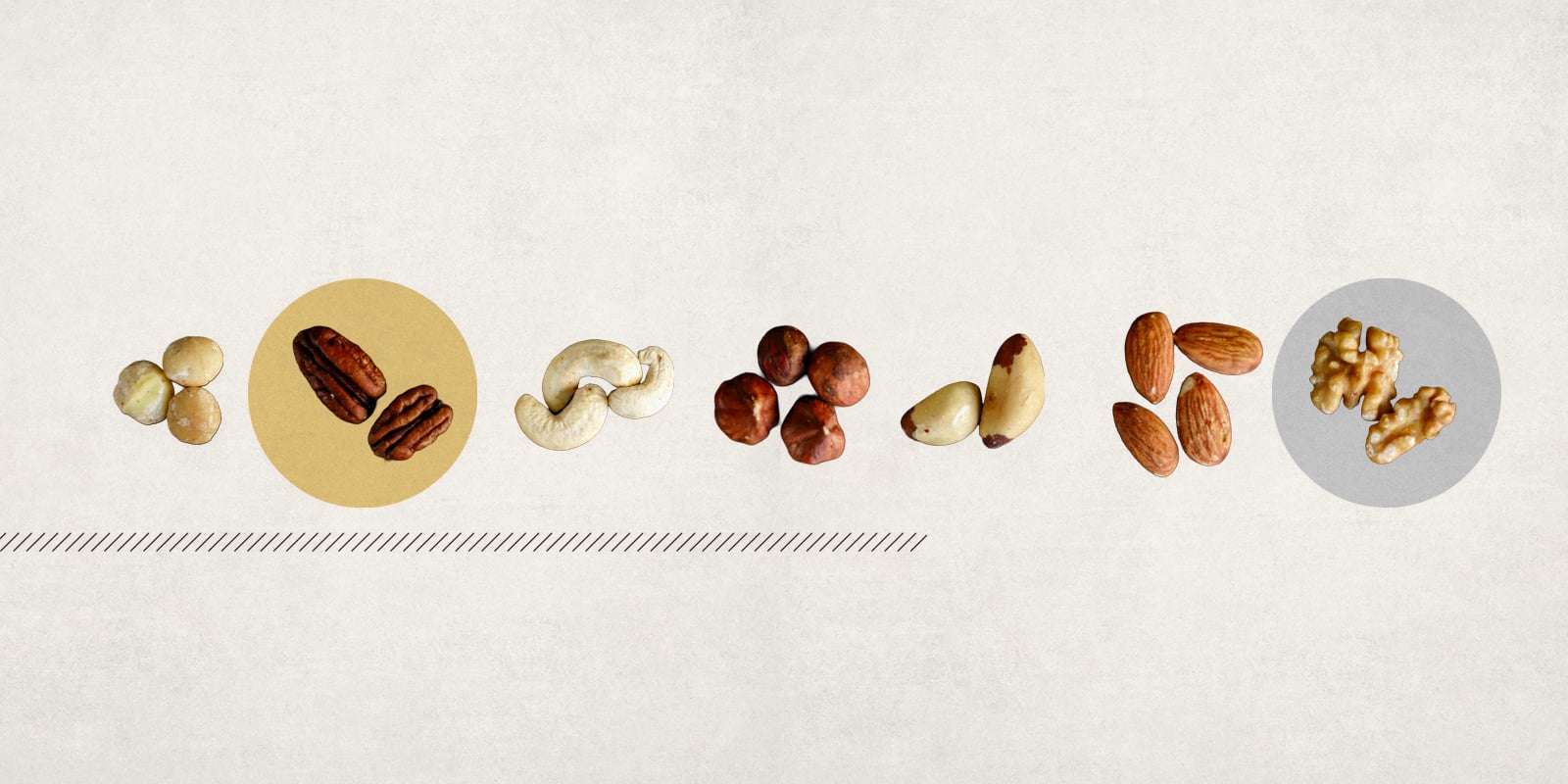
They are generally a healthy addition to your diet. They are what I snack on during the day. I get the seeds and nuts that are roasted, not salted, because that’s something to think about, too. People are eating a lot of salted food, and that’s not good either. I get the mixed nuts, because then you get the cashews, almonds, peanuts, Brazil, hazelnuts, walnuts.
Also, when people suddenly increase their intake of fiber, which is a good thing, you can have some transient gastrointestinal distress because your gut is not used to having all of this fiber. You just have to stick with it, because the microbiome within your gut will adjust. Also, the most recent research shows that eating nuts and seeds does not make diverticulitis (inflammation in the lining of the colon) worse.
Also, it’s important to drink a lot of water, because you want to help the fiber move through your system.
Many oils are derived from seeds. Are there any health benefits to the seed oils?
Again, they’re going to be a healthier type of fat. They’re more of a monounsaturated fat versus using a vegetable such as corn oil. With the seed oils, you’re getting a much more concentrated source of calories and fat than eating the seeds. They’re much more calorically dense. For example, a teaspoon or tablespoon of sesame seeds doesn’t have as many calories as a teaspoon or tablespoon of sesame oil, because you’ve basically taken all the oil and fat out of the sesame seed and condensed it into the oil.
In general, for cooking, you’re better off using a sesame, peanut or canola oil than you are using a corn oil.
As far as seeds go, are there any that stand out as top tier in terms of health benefits, or superfood?
I think it’s important to note that you get different things from different kinds of seeds, and it’s a reason to eat a varied diet. There isn’t a single food that has every single nutrient we need.
So, eating a variety of foods is important. From a perspective of things like antioxidants, fiber, protein, some minerals, I would say flaxseeds and chia seeds are probably two of your best. I think it comes down to ‘what do you like?’ Flaxseeds, for instance, don’t have much of a flavor. If you don’t like flaxseeds, for example, you’re still going to get a lot of benefits from pumpkin, sunflower or hemp seeds.