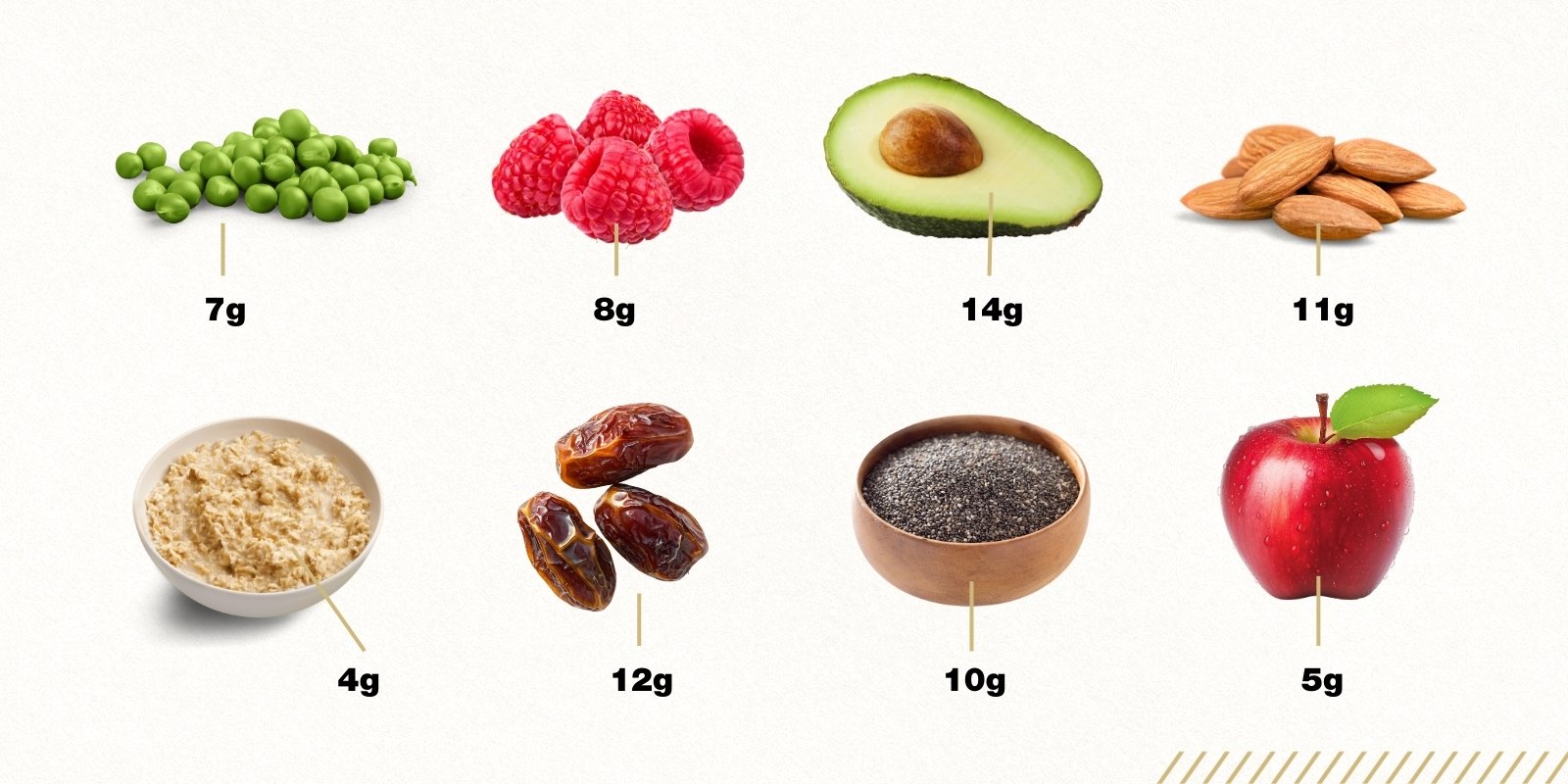
More than 95% of Americans – 19 out of 20 – rarely if ever reach their recommended daily allowance (RDA) of fiber, a nutrient vital for maintaining health. The poor intake is so concerning that it has even nutrition scientists giving the thumbs-up to a growing social media trend dubbed “fibermaxxing.”
The fad has made fiber-filled foods today’s stars, with recipes for “poop bread” generating laughs and likes on TikTok and plates bursting with quinoa, chickpeas, broccoli and avocado inundating Instagram. And it’s hard for dietitians, often top critics of social media nutrition trends, to find the downsides.
“People like me in the nutrition world have been pushing a high-fiber diet for a long time, and it doesn't seem to get a lot of traction,” said Bonnie Jortberg, PhD, RDN, CDCES, an expert in human nutrition and associate professor of family medicine at the University of Colorado Anschutz School of Medicine.
“Intake is incredibly low. It’s abysmal. So if fiber's starting to get traction now, that's a good thing.”
Key points:
- Few Americans (less than 5%) consume recommended levels of fiber, a crucial nutrient in warding off obesity and chronic disease.
- Ultra-processed food diets are a chief contributor to poor intake, as fiber is extracted from products during manufacturing.
- Dietitians hope a “fibermaxxing” trend will help boost consumption but advise people to aim for current studied recommended levels.
Fiber’s benefits are vast. Insoluble versions (bran, quinoa, psyllium husk) keep the digestive tract running smoothly. Research shows that regular intake lowers colorectal cancer risk, a disease that’s rising as a killer of young people while deaths from other cancers among 20- to 50-year-olds are trending down.
Soluble, or digestible, fiber (oats, barley, psyllium) helps regulate blood sugar and cholesterol, potential predictors at high levels of diabetes and the nation’s top killer, cardiovascular disease.
Add in fiber’s beneficial influence on weight maintenance in a country plagued by obesity, and the obvious question becomes: Why is only one out of every 20 people consuming the recommended amount?
Fad or Fact?
A series exploring current health-related trends through the scientific lenses of our CU Anschutz experts. See other series articles.
Processing the fiber right out of the diet
“It’s not surprising,” Jortberg said. “If you eat a fairly high-processed food diet, you're not going to get a lot of fiber (because most of the nutrient is extracted during manufacturing). And Americans tend to eat a pretty ultra-processed diet.”
Ultra-processed foods made up 55% (mean percentage) of calories consumed by Americans 1 year and older, according to a two-year survey by the Centers for Disease Control and Prevention (2021 to 2023). The percentage was nearly 62% for youth aged 1 to 19.
How much fiber a person needs varies with age and sex. Women 19 to 30 years old should shoot for an average of 28 grams per day and men in that age group, 34 grams. Focusing on whole foods puts those goals within reach, Jortberg said.
“Almost every morning, I eat oatmeal, and then I add a high-fiber granola on top of that and, almost always, berries on top of that.” In other words, Jortberg meets at least half her daily fiber requirement before she even walks out the door.
She seals the deal by keeping fresh fruits, vegetables, legumes, nuts, seeds and whole-grain rice and pastas top of mind for lunch, dinner and snacks. “If you're eating those things in your daily diet, you're probably at least coming close to meeting your requirement.”
Dietary health: It’s about choices
Bran cereal (1/2 cup) 14 grams
Corn flakes (1/2 cup) 0.4 grams
Popcorn (3 cups) 5.8 grams
Potato chips (15 chips) 1 gram
Whole wheat bread (one slice) 2 grams
White bread (one slice) 0 gram
Raspberries (1 cup) 8 grams
Fruit juice (1/2 cup) 0 grams
Sweet potato, cooked (1 cup) 6.3 grams
White potato, cooked (1 cup) 3 grams
Avocado (1 cup) 5 grams
Sour cream (1 cup) ) 0 grams
(Source: USDA)
Too much of anything is not a good thing
However, as the name suggests, many influencers fueling the social media fibermaxxing trend are blowing well past the scientifically backed RDA, with some pushing 50 to 70-plus grams of fiber a day. Jortberg said she finds the high recommendation concerning, but not surprising.
“It’s just like with the protein trend. Yes, meeting your requirement for protein is a good thing. Going way over it is not. And that's the same thing with fiber,” Jortberg said.
“Number one, wow, if you're taking in that much fiber, the amount of bloating and gas, and maybe even diarrhea, that you're probably going to have – it's going to be pretty uncomfortable both for you and, honestly, probably the people around you,” she said.
“The second thing, and I think this is really important because this is where these influencers just go off the rails, is there's no data to show that that amount of fiber is more beneficial than getting what's recommended. So to be basically doubling or even tripling that, there's no documented health benefit, just likely downsides.”
For example, extreme levels of fiber could potentially result in malabsorption of important nutrients.
“One of the benefits of insoluble fiber is that it helps prevent constipation because it absorbs water as it goes through your gastrointestinal tract and helps clear things out along with it. But it can absorb nutrients as well,” Jortberg said. “So, again, I don't think these ultra-high-fiber diets have been studied well enough.”
The scoop on fiber supplements
Although generally not a fan of supplements, given the severely low intake of fiber today, Jortberg said she makes an exception for fiber supplements.
What benefits people seek and how their bodies respond to products, which contain different types of fiber, can help when choosing a supplement, she said. Some brands have more insoluble fibers, such as psyllium husk, while others contain more soluble fibers, such as wheat dextrin.
“There's benefits of both. Your insoluble fibers tend to be the best for avoiding constipation and keeping the digestive tract clear. And your soluble fibers tend to be the most beneficial for things like helping people with diabetes regulate their blood sugar levels or helping to reduce cholesterol levels.”
Soluble fibers absorb some of the sugars and fats from foods, and the body then excretes them instead of allowing them to enter the system, leading to unhealthy blood sugar and cholesterol levels. “There’s very good evidence for that, and it's one of the recommendations from the American Diabetes Association to eat a high-fiber diet,” said Jortberg, a certified diabetes care and education specialist.
Go slow, drink water and focus on whole foods
Finding the right supplement might take some trial and error, Jortberg said. “We're all different in terms of how we respond to things. So, if one type of fiber supplement just doesn't work well for you, then find one that does.”
However, keep in mind that the body needs to adapt to added fiber, she said.
“I think that’s one of the reasons people sometimes don't stick with a high-fiber diet. If you haven't been getting in very much fiber, and all of a sudden you add fiber to your diet (even at a lower intake), you're not going to feel very well (bloating, nausea, diarrhea). And it usually takes a couple of weeks for your body to adjust to that.”
Recommended Daily Amounts of Fiber
Children/teens (9-13): 26g (Girls), 31g (Boys)
Teens (14-18): 25g (Girls), 31-38g (Boys)
Young adults (19-30): 28g (Women), 34g (Men)
Adults (31-50): 25g (Women), 31g (Men)
Older adults (51+): 22g (Women), 28g (Men)
Source: National Institutes of Health
Drinking lots of water, especially with supplements, when following a high-fiber diet is also crucial. Added fluids aid the fiber in doing its job and stop excess fluid absorption, which could cause, rather than prevent, constipation.
Fiber also increases satiety, which studies show can help with weight loss and maintenance, and the extra water can further help keep people feeling full all day, Jortberg said.
“There actually is some pretty decent research out there – again, not with 50 to 70 grams of fiber a day but more in the recommended range – that people that are on high-fiber diets tend to be more successful with their weight loss and weight maintenance for that very reason,” she said.
“The big take home messages are really strive to meet the recommendation, do not go overboard, realize you might have some discomfort for a week or two, and make sure you're drinking a lot of water and fluids along the way,” Jortberg said. “Also, supplements are fine but focus on whole foods. Those provide so many benefits beyond fiber as well.”
Note: Check with your doctor before adding high amounts of fiber to your diet if you have underlying medical conditions, especially bowel disease and surgeries or therapies affecting the intestines.
Photo at top: (left to right, top to bottom) Peas, raspberries, avocado, almonds, oatmeal, dates, chia seeds, apple and their fiber content. (Source: USDA)