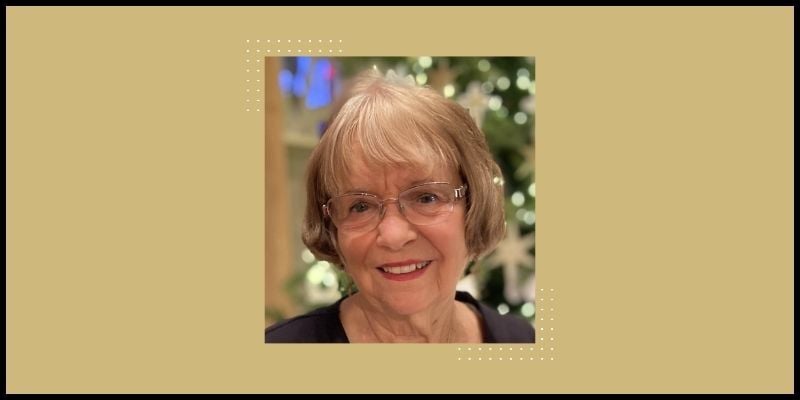
When Heather Walters (Hull) Baker looks back on her nursing journey, she still marvels at the chain of events that started it all.
Growing up in Corpus Christi, Texas, she thought she would become a musician—until a high school career day changed everything. Three student nurses spoke about their work with such enthusiasm that Baker promptly joined the Future Nurses Club and set her sights on a new path.
She earned her hospital diploma in Corpus Christi before deciding, alongside her roommate, that they wanted to pursue bachelor’s degrees. Their leap of faith brought them to Denver, where they enrolled in night classes, worked as staff nurses at CU, and eventually entered the baccalaureate program at the University of Colorado School of Nursing (known today as CU Anschutz College of Nursing). True to her pioneering spirit, Baker also joined the Wyoming Air National Guard, serving for six years as a flight nurse and overlapping with the Vietnam War. They performed medical air evacuations for wounded soldiers from Vietnam back home.
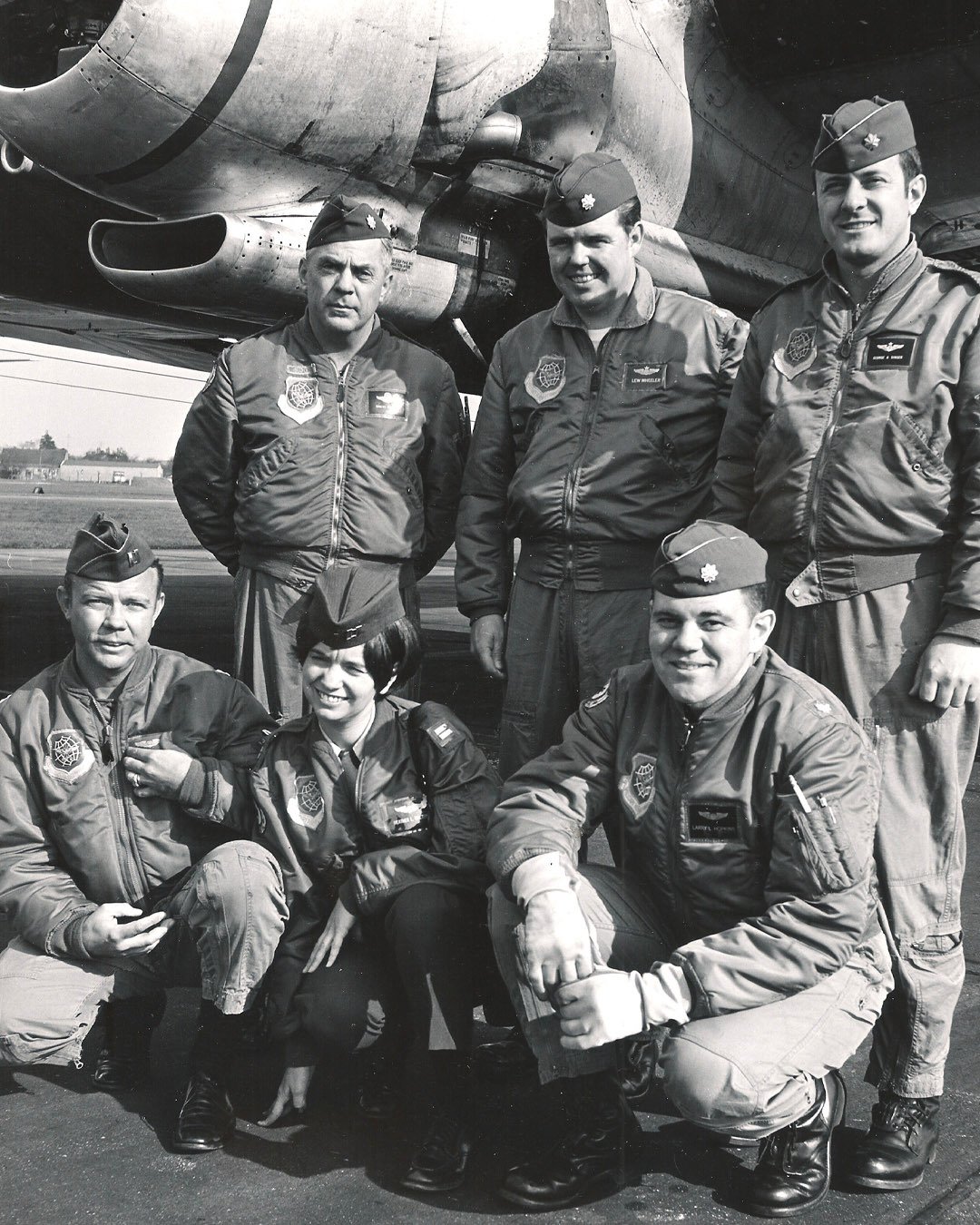
Heather Walters (Hull) Baker in 1969, serving as a flight nurse in the Wyoming Air National Guard. |
“It’s hard to say you enjoyed something like that,” she recalls, “but I did. The training and experiences were rewarding and incredible.”
The Phone Call That Changed Everything
After graduating with her BSN in 1967, Baker was working the night shift in CU’s ICU when she received a phone call that changed her life. Dr. Loretta Ford—her toughest undergraduate professor and the visionary behind the Nurse Practitioner movement—invited her to join an “experimental program.”
That invitation became Baker’s entry into one of the earliest Pediatric Nurse Practitioner (PNP) cohorts.
Her memories of CU remain vivid: the intimate classes, the mentorship of Dr. Ford and Dr. Henry Silver, and the sense that they were building something entirely new. She was one of only seven students in her PNP cohort. Dr. Silver brought them into grand rounds, advocated fiercely for the role, and taught them the importance of understanding a patient’s world—not just their symptoms.
Baker still remembers the moment a clinic receptionist unknowingly summed up the emerging NP role: “She’s more than a nurse, and less than a doctor.”
For Baker, that simple observation felt like a milestone in helping patients understand what nurse practitioners could offer.
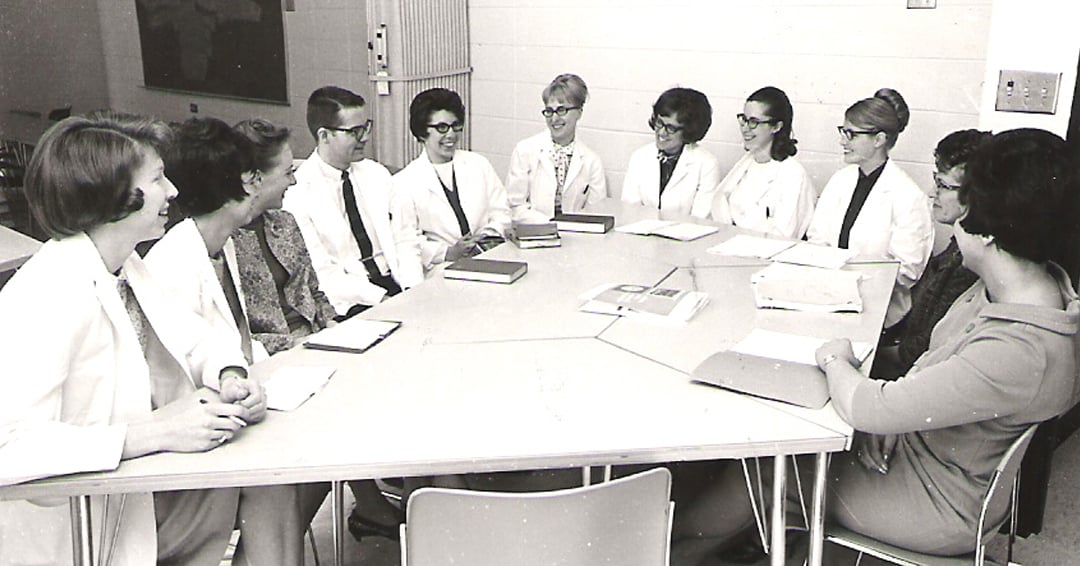
Heather Walters (Hull) Baker (second from left) with her Pediatric Nurse Practitioner cohort. |
Giving Back and Paying It Forward
Gratitude has always been a guiding force in Baker’s life. She received scholarships and grants during her time at CU—support that allowed her to complete her programs without the financial pressures many students face today. Because of that, giving back has become an important personal value. For more than four decades, she has paid forward the support she once received, giving back philanthropically to the College and helping future nurses step confidently into the profession.
A Lifelong Commitment to Nursing and Education
After completing the program, Baker built a career marked by leadership, innovation, and service across several states. She contributed to the early development of the PNP program at the University of Iowa, helped shape a nurse clinician program in Kansas, and spent two decades teaching at Wichita State University. Along the way, she continued practicing in clinics serving underserved populations and even joined a pediatric sexual assault response team to ensure she could teach future practitioners with real, updated clinical experience.
Baker retired from full-time work in 2011, though she remained active in her community, serving on the board of an indigent care clinic and staying connected to professional organizations. Even after stepping away from licensure at age 80, she reflects on nursing as a core part of her identity: “Once a nurse, always a nurse.”
In retirement, Baker has embraced quilting, travel, and time with her family, including her husband, children, stepchildren, and many grandchildren. Creativity, learning, and service continue to shape her days.
When asked what she hopes for future nurses, Baker is clear: she wants the profession to remain strong, supported, and empowered. She’s especially proud of the progress nurse practitioners have made in achieving recognition and autonomy.
Advice for Future Nurses
For today’s students, Heather’s guidance is heartfelt: “Nursing is a wonderful profession,” she says. “Don’t be afraid to explore the less traveled paths—specialties, military service, advanced roles. I never expected to work in pediatrics, but a door opened, and it became the perfect fit.”
More than five decades after earning her degrees, Baker still carries deep gratitude for her education at CU—gratitude that shaped a remarkable career and continues to inspire those who follow.