
Finding a healthcare provider can be a challenge; there are so many different kinds of providers, different specialties, and practices to choose from. Nurse Practitioners can be a great option when considering primary care providers. But, it’s important to know what you’re looking for before deciding on a provider that’s right for you.
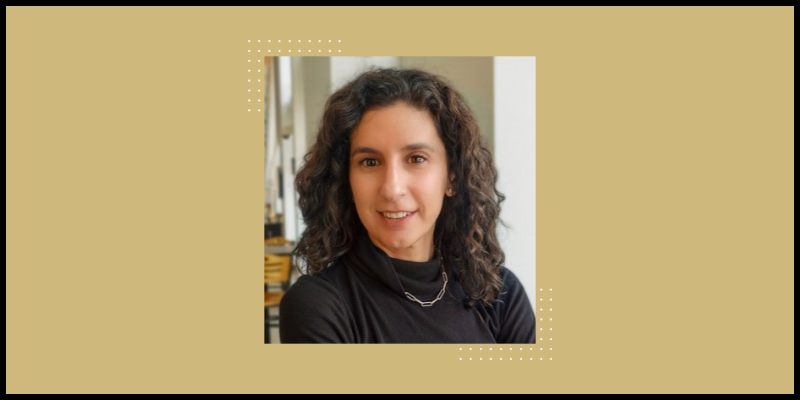
Dr. Alexis Barrere is a pediatric nurse practitioner at Sheridan Health Services, a nurse-led clinic run by the University of Colorado Anschutz College of Nursing. The integrated clinic has a wide range of providers. Barrere explains the process and benefits of finding the right nurse practitioner for you.
What Do Nurse Practitioners Do?
Many nurse practitioners have years of nursing experience as a registered nurse before transitioning to a nurse practitioner role. Earning a master’s degree as an advanced practitioner opens new doors to providing healthcare at a higher level.
Nurse practitioners can perform the same duties for patients as other graduate-level advanced practice providers, including examining, treating, and prescribing.
Nurse practitioners all have a specialty that can range across the lifespan and types of care. Barrere says they are able to work in a variety of settings.
“A lot of nurse practitioners are in the school-based health centers or clinics, pre-op, post-op settings and hospitals, specialty care, anything from orthopedics to GI to oncology, covering a wide variety of specialties as well, and generally in hospitals, covering inpatient care, but also outpatient clinics as well,” she says.
Barrere explains that not all NPs are primary care providers. At Sheridan Health Services, they have pediatric, family, and adult gerontology nurse practitioners, as well as nurse-midwives that provide care to patients.
What are the Differences Between a Nurse Practitioner and a Physician?
Nurse practitioners and physicians can both be primary care providers. They can both manage a treatment plan and work directly with patients. In most states, nurse practitioners can perform the same services as a medical doctor, while in other states, they may need a sign-off from a physician.
Despite providing similar types of care, their specialties may differ. While nurses could specialize as a family nurse practitioner, you may see a medical doctor specialize in internal medicine. Both can care for patients of all ages, but their titles differ.
Barrere says the biggest difference between a physician and a nurse practitioner is the amount of training and the cost of the education. While most BSN programs and nurse practitioner programs are two to three years each, physicians attend four years of medical school and three to four years of residency.
She also says that pursuing a nurse practitioner degree can be more accessible.
“Generally, nursing programs are more affordable. And therefore more accessible, which allows us to diversify the provider population that we have.”
She says nurse practitioners fill critical gaps in care throughout the healthcare system, especially in primary care where there is a shortage across the U.S., including in Colorado.
Patients don’t always need to choose between the two types of providers. Barrere says that physicians and nurse practitioners often work together when treating patients. For example, nurse practitioners often consult with physicians about complex cases,and share learning.
“MDs are highly intelligent, have extensive training, and so picking their brain for information, sharing, training, and learning from one another, I think is super helpful,” she says.
What are the Benefits of Having an NP as Your Primary Care Provider?
Barrere says that since most nurse practitioners worked as nurses first, they often have a strong bedside manner skill set that allows them to work well with patients one-on-one.
“We are able to connect with people maybe on a different level than a medical doctor,” Barrere says. “I get to carry that bedside manner that I had in the hospital to a clinical space as a nurse practitioner.”
While physicians have a background of working with many daily patients, nurses are used to working closely with a few patients for longer periods of time.
“I get to apply that and maybe take a little bit more time with my patients and have a different view of how I approach their care than a physician does,” Barrere says.
What Should You Look for When Choosing a Primary Care NP?
Choosing an NP that works best for you may take some research. Most primary care providers have a website or bio online that will give more information on their specialty and background, so it’s important to find someone that fits your needs.
If you don’t have a specific need, finding a provider who has a broader scope of care may be beneficial. If you have a specific need, you should see a provider in that specialty (for example, if you want reproductive or sexual care, a women’s health nurse practitioner might be the best fit), otherwise, you may need a referral to see someone else.
Barrere recommends finding a provider that specializes in your age group, especially for kids and older adults. Instead of using one provider for the whole family, she suggests that kids see a pediatric nurse practitioner, while adults see a family or adult nurse practitioner.
What if you want to switch providers or are unhappy with your current provider? Barrere says, “It does happen, and generally providers don't take it personally.”
Finding The Right Practice for You and Your Family
Choosing a practice can be just as important as choosing a provider. Barrere says she highly recommends an integrated care practice, like the care offered at Sheridan Health Services.
“At an integrated care practice, you have access to other care, including a behavioral health provider, and get things done like general screenings during your annual visit. And - if there is a crisis, -you have that support right away,” she says.
Seeing your provider regularly and building a relationship with them improves your overall health.
“If you have the time to build that relationship with your provider, then you build that trust. That trust allows you to have a little less anxiety or concern around your health and wellness because you can talk to someone you trust.”