

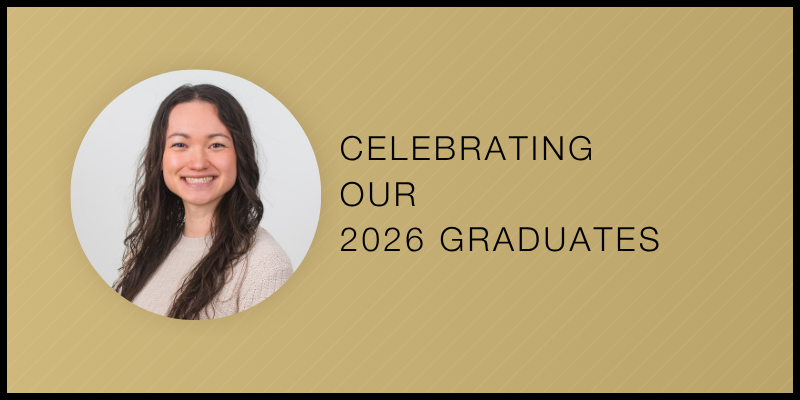
In the emergency room at Children's Hospital Colorado, Joelle Jennings has seen it all: stomachaches, mystery fevers, the full catalog of childhood ailments that bring worried parents rushing through the doors at all hours. She loves the work. She loves the kids.
But she kept asking the same question: Why?
“When I see children in the ER, they might have stomach pain or some other ailment that’s common in kids, and I keep asking why? Why is this happening? I wanted to get to the root of patients' problems and really understand why. Why are they experiencing this? Let’s do some investigating,” she says.
That relentless curiosity is what led Jennings to the University of Colorado Anschutz College of Nursing’s Family Nurse Practitioner program. After years at the bedside, she was ready to go deeper.
“I think earning an FNP will give me the tools and education I need to become a provider that truly helps patients, solves their problems, and advocates for them,” she says. “As an NP, you can see patients over several visits, develop relationships, and find the best treatments that truly heal them.”
It’s a calling that started early. For Jennings, caring for children has always felt like more than a job.
“I chose CU Anschutz Nursing because of its good reputation, and they created the first NP program. I was already working at Anschutz knew it had a good network of providers and experiences.”
“It’s such a unique skill to have,” she says. “Working with kids brightens your day because they’re so innocent and experiencing life for the first time.”
Learning to See Every Patient
Shifting from pediatric ER nursing to a family practice model meant learning to think differently about who walks through the door. It’s no longer just about children.
Jennings is excited to learn the full scope of practice from babies to adults.
“I’m looking forward to caring for the whole family as a unit, seeing the beauty in developing rapport with families, understanding family dynamics, and coming alongside them in their unique healthcare journeys,” she says.
To bridge the gap between bedside nurse and provider, Jennings made a point of seeking out mentors. Working alongside other providers in the ER, she started asking the questions.
“Why did you run this test? Why do you think this patient has this diagnosis, disease, or condition? It’s been helpful in my transition to a provider,” she says.
She also says it’s been critical to network with other NPs to learn how they transitioned to a provider role.
“I’m here to learn, and I may not know everything, but talking with other NPs can transform your educational experience, and I think it helps you become a better provider,” she says. "I want to be a provider that cares about patients and listens to them.”
The same instinct that made her stop and ask why in the ER is shaping the kind of provider she's becoming: one who doesn't just treat a symptom and move on, but stays curious, stays present, and keeps digging until she finds the answer.

.png)