Approximately 35 mothers recovering from addiction and their children received care at Sheridan Health Services in the last year.
That number may not seem like much – but for these families – and their providers, it’s more than just stats or data in a computer.
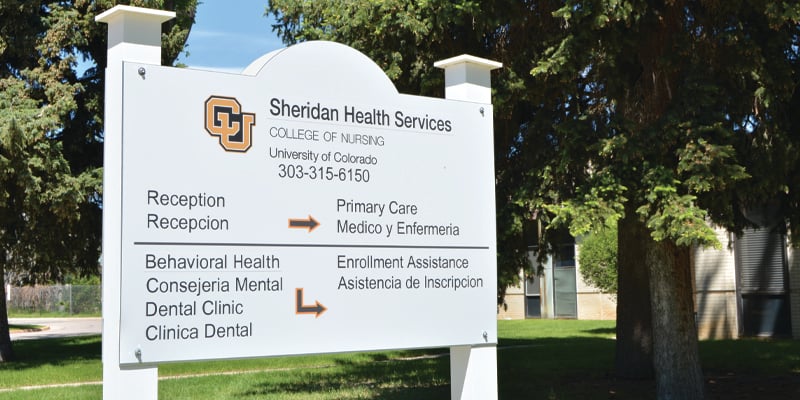
At Sheridan, the philosophy is simple: meet patients where they are, without judgment, and care for the whole family. It represents the integrated approach to care at Sheridan Health Services, a nurse-led Federally Qualified Health Center from the University of Colorado Anschutz College of Nursing that provides care to patients regardless of their background.
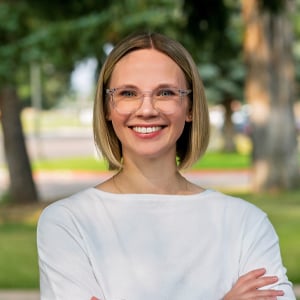
“We’re fully aware and understand the recovery process these women are going through,” Sheridan’s Clinical Lead Mia Roberts, PhD, CPNP-PC, says. “We understand this can be a very challenging and very vulnerable time to access medical care. Some of our patients have had negative previous experiences with the medical system and are more hesitant to share details from their past. Many times, we’ve had families tell us how welcoming we are.”
For seven years, Sheridan has had a unique partnership with Valley Hope Addiction Treatment and Recovery.
Valley Hope, through a specialized treatment center called New Directions for Families (NDF), provides drug and alcohol treatment for women with children and pregnant women. New Directions offers counseling, therapy, and parenting classes, in addition to recovery treatments. Patients receive their primary, prenatal, and pediatric care through Sheridan.
Lauren is one of the Valley Hope alumni who received care at Sheridan while at New Directions. Her young daughter also received care, which was so beneficial during her recovery.
“It’s so important there are treatment centers that care about your well-being and that my daughter could get care with me,” Lauren says. “Treating addiction is important, but so is making sure that you, as an individual, can still get healthcare when you’re in recovery. A lot of women are self-conscious because of the toll addiction has taken on them, and the fact that Valley Hope and Sheridan offer this care is tremendous.”
A Support System
Providing care without judgment is the backbone of Sheridan’s care model with New Directions.
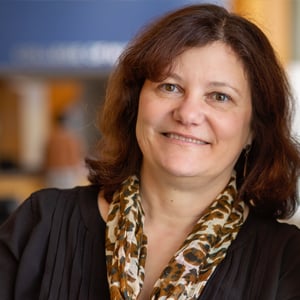
“A lot of moms who are pregnant are stigmatized for using drugs or alcohol during pregnancy, and we let them know they’re doing the best they can. We know that their kids are a motivation for them to stay in recovery and get treatment, so we support them in their journey,” Pamela Swendseid, FNP, PMHNP, MAMHC, says. “And the whole team has the same mission to treat them without judgment and be very welcoming.”
“I’m extremely grateful for this care, and if I can help just one person in their road to recovery, it’s worth it to me,” Lauren says.
Another Valley Hope alum, C Cardenas, knows what it’s like to feel judged while getting care. Her previous experiences weren’t pleasant, but she felt welcomed at Sheridan, and when she had a child delivered by a CU Anschutz Nursing midwife (New Directions patients give birth at UCHealth’s hospitals in Aurora or Highlands Ranch).
“I was able to request all-female doctors and work with female nurses, and it felt so empowering and easier to get care,” she says. “I want to give these providers a shout-out because they helped deliver my son.”
Continued Care
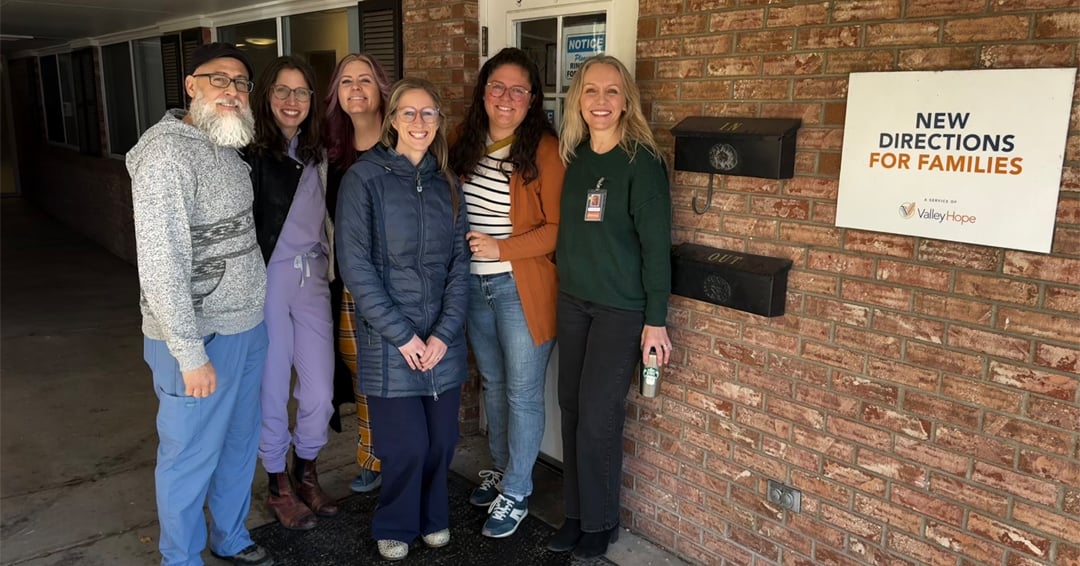
Sheridan providers recently toured New Directions for Families and met with their admissions coordinator and director of nursing. |
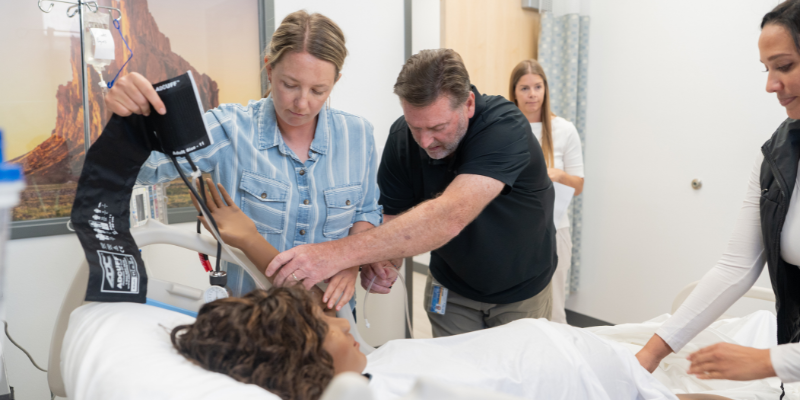
The number of appointments New Directions patients have with Sheridan providers varies depending on how long they’re in recovery (a patient typically stays 60 to 120 days) and the type of care they need. Swendseid focuses on providing primary/psychiatric care, including MAT (medication-assisted treatment), while Roberts provides pediatric care. Shannon Pirrie, DNP, MS, CNM, focuses on midwifery care. Mothers also have access to Sheridan’s doulas, and during appointments, Sheridan offers behavioral health check-ins with therapists/social workers. They can also pick up items from the clinic’s food bank, including food, baby clothes, and diapers.
“I think this model of integrated pediatric, maternal, and behavioral healthcare is so successful because a family knows that if they reach out to us, we can try to coordinate their appointments. We’re really taking care of the whole family unit, and we’re here to meet their needs, whatever they may be,” Roberts says.
Another important aspect of Sheridan’s integrated model of care: if a New Directions patient relapses, Sheridan wants to be that safe space where they can return to get care.
“I can go in and talk to a mother and see if she’s stressed or at risk for relapsing,” Swendseid says. “I tell my students, your success as a provider in substance use disorder doesn’t depend on them staying in recovery, because they might relapse. You have to go along with their journey and help them along the way.”
Sheridan’s care is so welcoming and supportive that some patients have stayed with the clinic for years after their New Directions treatment.
“We’ve had patients who’ve initially said that Sheridan is too far from where they will be living after treatment, but after a few months, they come back to us because they didn’t receive the same kind of care,” Swendseid says. “I’ve had some patients for five years.”
And for Valley Hope's alumni, the lasting care they received at Sheridan has made a positive impact on their lives.
“We are alleviating barriers in this integrated and collaborative care model,” Roberts says. “We’re supporting these mothers and their children with different services, and I think that’s something our clinic does well overall.”
“This shows me life is possible without drugs and alcohol,” Cardenas says. “And as a single mom, this experience has shown me that there are people who won’t leave you in the hardest time of your life. It shows they care about me.”
For the women and families who walk through Sheridan's doors, the clinic offers something beyond medical care — a place where they are seen, supported, and never alone.