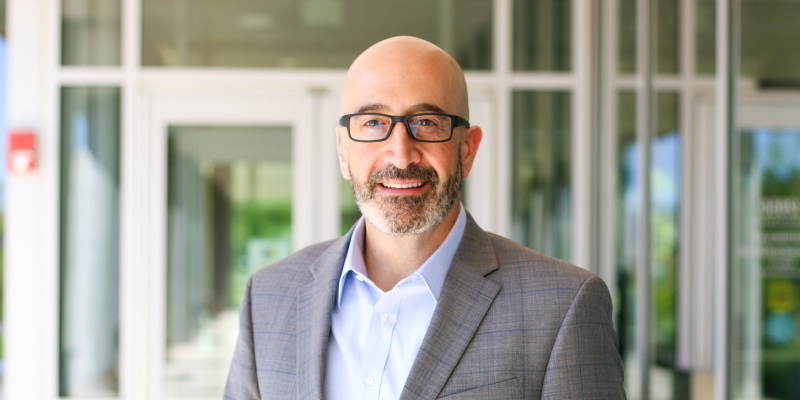
In a healthcare field rapidly expanding with new therapies and the advancements of technology, cardiovascular care including anticoagulation management stand among one of the most critical areas of pharmacy practice. At the University of Colorado Anschutz Skaggs School of Pharmacy and Pharmaceutical Sciences, Toby Trujillo, PharmD, serves as a Professor and Vice Chair for Clinical Programs in the Department of Clinical Pharmacy, specializing in cardiovascular pharmacotherapy and anticoagulation stewardship. He precepts fourth‑year pharmacy students on inpatient anticoagulation/cardiology, as well as postgraduate year one (PGY1) and two (PGY2) residents, ensuring that high‑risk blood thinner therapies are used safely, effectively, and with precise dosing to protect patients across the health system.
"These medications are routinely in the top five or even top ten for causing harm. Ultimately, what we want to do is get it right for each particular patient. Millions of people take these medications, and our job is to minimize any potential risk or harm. Pharmacists have a huge role in making sure anticoagulants are used effectively and safely.”
Anticoagulants prevent or treat blood clots that can lead to things like heart attacks, strokes or a pulmonary embolism. Because these medications often have complex dosing strategies, require adjustment for kidney function, and are subject to drug interaction, anticoagulants are consistently among the top drivers of drug events leading to emergency department visits. Now, many health systems are building anticoagulation stewardship programs focused on safer prescribing and monitoring, something Dr. Trujillo helped to implement upon his arrival at CU Anschutz and the University of Colorado Health.
With cardiovascular therapeutics evolving quickly, new classes of anticoagulants are on the horizon. “There’s a constant influx of therapies. We’re likely to see a whole new class of anticoagulants in the next couple of years, and our job will be to figure out how to use them safely and effectively for each patient.” Trujillo notes that one promising future opportunity lies in leveraging the electronic health record (EHR) with AI-enabled tools to help identify which patients on anticoagulants may require specialist review. "Not every patient on a blood thinner needs an anticoagulation specialist today," he said. "The trick is identifying which ones do. EHR tools can help us identify those patients efficiently and AI could make that even better."
Cardiovascular pharmacy is just one of the specialties that you can pursue with a Doctor of Pharmacy degree from CU Anschutz School of Pharmacy.
Additional Q&A from Trujillo is available in our Instagram highlights.
Learn more about Pharmacy Careers here.