How does chemotherapy work?
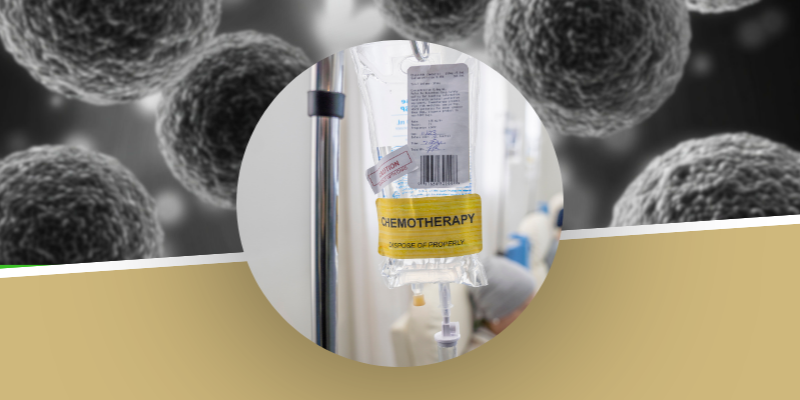
Chemotherapy is a cytotoxic drug that targets how cells divide and grow. It targets things like DNA and RNA synthesis and protein synthesis, prohibiting the cells from working the way they normally work. The way it's explained to patients is that chemo tries to kill the fast-dividing cells in the body, which are typically the cancer cells, but it also affects noncancerous fast-dividing cells, which creates the side effects of chemo.
How and when is it used in cancer treatment?
We use chemotherapy to shrink the cancer down or prevent it from growing so it doesn't cause further symptoms. There are certain situations where we use chemotherapy in the curative setting as the main treatment; other times we give chemotherapy before cancer surgery to shrink the tumor and make the surgery easier.
Sometimes we give chemotherapy after surgery or radiation. The idea there is that surgery or radiation can remove any visible signs of disease, but there could be microscopic cells still floating around in the body. If we give systemic treatment like chemotherapy, we can get rid of any disease that may still exist in the body.
Over what time period do people typically receive chemotherapy?
It varies. We typically think of most systemic treatments as cycles. A cycle could be two weeks, could be three weeks, could be four weeks. Most commonly, we give treatment on the first day of the cycle, then the person comes back for the beginning of the next cycle. But there are other treatments that you give over three days or five days. There are treatments that you give on the first day and then a week later. It varies a lot, depending on what the regimen is. In the curative setting, there usually are a discrete number of cycles before and after surgery. In the metastatic setting, our philosophy is that we will continue the treatment as long as it's working and as long as it’s not causing too many side effects.
Chemotherapy has been used since the 1940s; has it changed at all over the years?
Many of the chemotherapy agents we use have been around for many years. The biggest changes are in how we deliver chemotherapy. We have newer things like antibody drug conjugates, which look for a flag on the cancer cell, then the drug seeks out that flag and has a chemo payload attached to it. There are now more specific ways of delivering chemotherapy than what we used to do in the past.
What are some of the common side effects of chemotherapy?
Chemotherapy affects the areas in your body that have fast-dividing cells, which includes the lining of your GI tract. That's why people on chemo have side effects like nausea, vomiting, diarrhea, or constipation.
Another area where the cells divide more quickly is your bone marrow, which makes your blood cells — the white blood cells that fight infections, the red blood cells that carry oxygen, the platelets that stop bleeding. So chemotherapy creates higher risk for anemia, infections, and bleeding.
Your hair and nails are also areas where cells turn over quickly, which is why some chemotherapy also causes hair loss and nail changes. Chemo can also cause neuropathy — numbness and tingling in your hands and feet — as well as skin rashes.
Are there other medicines or treatments that are prescribed to counteract those side effects?
Definitely. We've gotten much better at managing the side effects of chemotherapy. We have much better anti-nausea medicines than we had in the past. And we have what are called granulocyte colony-stimulating factors, which is a medicine that helps to boost your white blood cell count after getting chemotherapy and helps protect people against infections as they're going through the chemotherapy.
Is it fair to say even with the side effects, chemotherapy treatment is still worth it?
That's a discussion we should have with every patient, based on the available data we have and what the expected benefit of the treatment is. We need to explain the most common and the most serious possible side effects, then talk with patients to see if the treatment is in alignment with their goals and preferences.
Everyone is very different. It’s important to take into account each person’s goals and preferences, current health status, and other medical conditions. Some people are willing to tolerate significant side effects if treatment could extend their life, even by a small amount. Others may feel that frequent hospital visits or the likelihood of expected side effects outweigh the potential benefits. We also have to consider if their health status or other medical conditions may increase the risk of certain side effects or affect the likelihood of benefit. It varies from person to person, and we should be engaging in shared decision-making so we can present all the options and see how that fits in with the whole person.