How do cancer and cancer treatments affect fertility in men?
Cancer itself can affect fertility due to the stress of cancer on the body, systemic inflammation, nutrient depletion, weight loss, cachexia, and even hormonal disruptions.
As far as treatments, chemotherapy is toxic medication that kills or destroys fast-dividing cells, most notably cancer cells. However, sperm-producing cells are also very fast-dividing and fairly fragile, so they are also susceptible to chemotherapy.
With radiation, the same radiation therapy intended to target cancer cells can also cause unintended damage to the testes or male reproductive tract, which can impair sperm production. Sometimes these impairments, whether from chemotherapy or radiation, are only temporary, but many times these changes can be permanent.
Surgeries like radical pelvic surgery or retroperitoneal lymph node dissection (a common surgical treatment for testicular cancer) can cause impairments in ejaculation, which also negatively impact fertility.
Are there specific cancers that are more impactful on male fertility?
Testicular cancer is the most common solid organ cancer in younger men of reproductive age — roughly 10,000 American men are diagnosed with testicular cancer a year, and about half of those men might have impaired sperm parameters right out of the gate. The cancer affects the testicle — often just one of them — but it can cause hormonal or other body-wide disruptions that negatively impact fertility of the other testicle.
Leukemias and lymphomas are some other cancers that can have a big effect on fertility. These blood cancers cause such a stress on the body. These patients are often losing weight and seeing a lot of stress and inflammation. Fertility can be fragile to begin with. I run a busy fertility practice and see men who otherwise seem very healthy but have low sperm counts for sometimes no clear reason, so you can imagine how a huge cancer affecting your whole body could negatively impact fertility.
How can fertility be preserved before cancer or its treatments can take their toll?
The gold standard is fertility preservation with sperm banking — sperm cryopreservation — before chemotherapy or before we start definitive treatment for the cancer. Think of it as an insurance policy. Let’s bank some sperm, and it normally only takes a few visits. Patients go to a fertility clinic produce a sample, then it gets frozen. Sometimes they need a few visits to get several vials banked, depending on their sperm counts. Down the road, these sperm vials can be thawed and used with assisted reproductive technologies to achieve a pregnancy.
You can imagine, when a young man is diagnosed with cancer, there’s often a lot going on. There can be a rush to start chemotherapy, and often fertility is not the first thing on their mind. As a male reproductive urologist, I work in this intersection among patients, their families, and their oncologists to help men realize that, “Yes, this cancer is life-threatening, but it doesn’t have to mean an end to your goals of fatherhood.”
We have a program where often the oncologist will just order sperm banking automatically — it’s one of the streamlined pathways we’ve developed here at CU Anschutz. Sometimes I don’t even need to get involved. It’s, “Here’s your order, see if you can go bank some sperm in the next two days. Your chemotherapy starts in three days.”
There also are some newer mail-in options where you can order a kit online that gets shipped to your house. The patient can provide the ejaculate sample in the privacy of his own home, and then send it back via overnight mail. The ejaculate is preserved with a special media, stabilizing the sperm and allowing for successful cryopreservation the next day.
Is there anything that can be done after a patient is treated for cancer if they didn’t bank any sperm in advance?
Yes, there sometimes can still be an option. Say you have a patient with history of previously treated cancer who, for whatever reason, was unable to cryopreserve any sperm on the front end. He’s been through chemotherapy, is cured, and now wants to see what his fertility options are. The first step would be a semen analysis, and let’s say that there’s no sperm — a condition we call azoospermia.
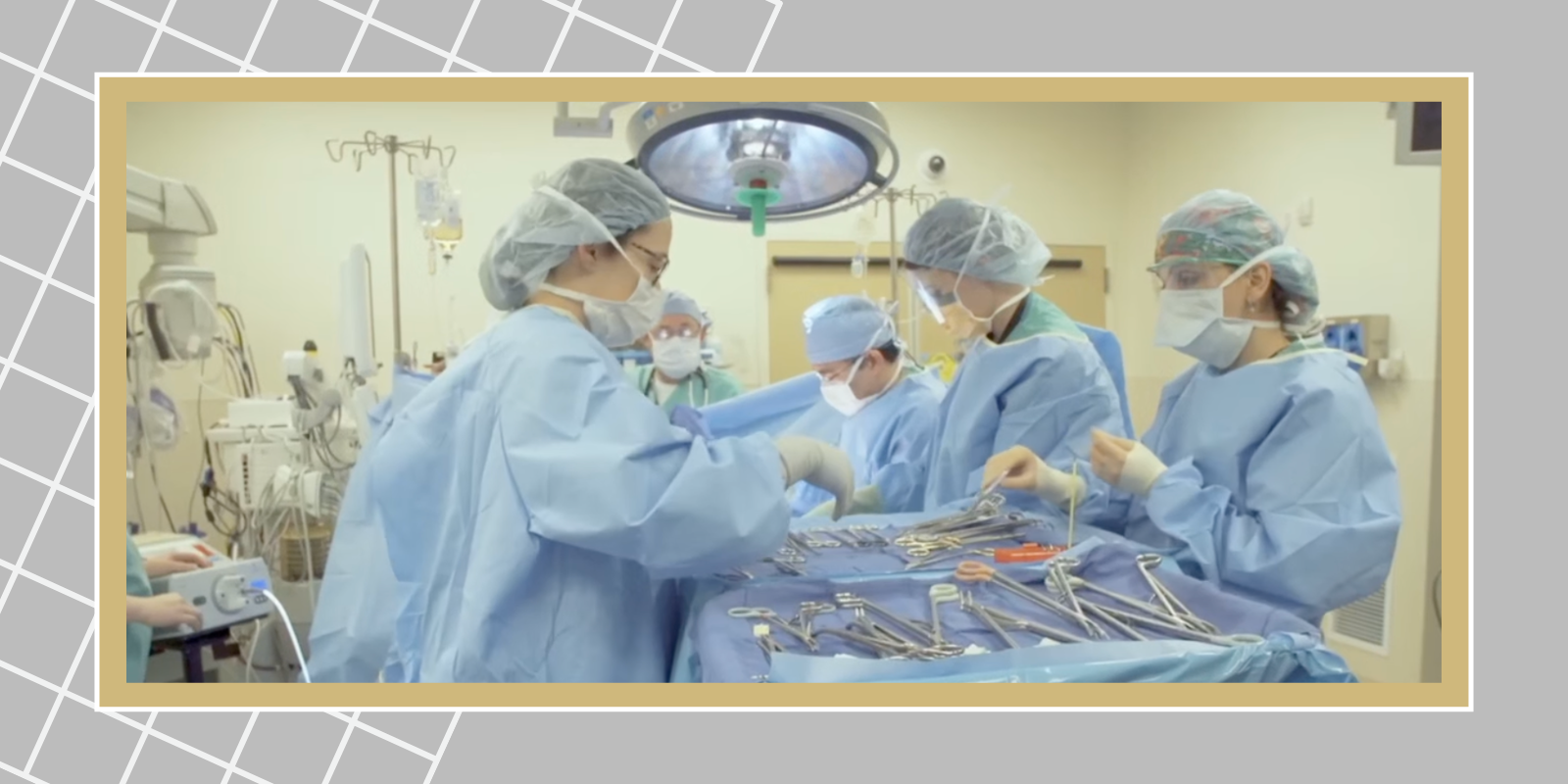
It turns out for these patients with azoospermia there is one more option we can offer. It’s a surgical sperm-retrieval attempt called microdissection testicular sperm extraction, or “microTESE.” It’s a microscopic surgery where I carefully inspect each layer inside the testicles under operative magnification to search for any small area of sperm production. The idea is that sometimes there may be small areas of sperm production that are so small the sperm are unable to make it out into the ejaculate, but they may still be able to be successfully extracted surgically from the testicle. If we do find any sperm, then that sperm can be used with in vitro fertilization, and that gives the man a chance of a biologic pregnancy.
Successfully finding sperm on a microTESE procedure is absolutely one of the best parts of my job. It really feels like a miracle. I have a couple who just the other day sent me a thank-you note and a picture of their baby daughter. He had a rare bone cancer as a boy: lots of chemotherapy, radiation, no sperm on the semen analysis. We did the microTESE procedure and we found just a few sperm. We froze them, and he used them with IVF. They had one embryo, and he’s got a baby daughter now. That's an amazing thing when it happens.