Clinical trials — experimental studies of new medications or treatments in humans before they are approved for widespread use — can be a boon for patients at cancer centers like the University of Colorado Cancer Center, but until recently, geography had a lot to do with which patients could take part in them.
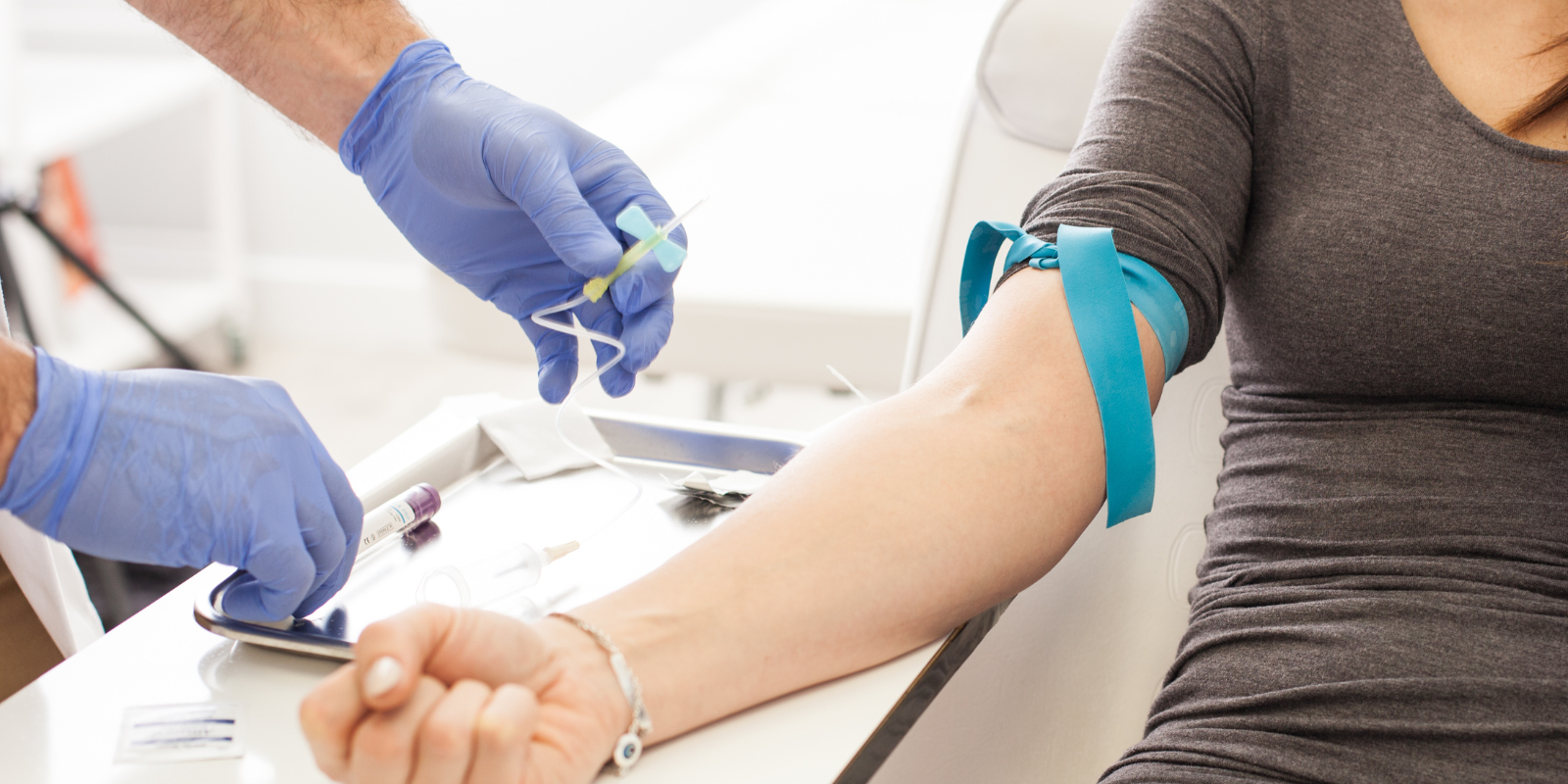
Since many clinical trials involve regular blood draws, imaging, meetings with providers, and other in-person components, only people who lived near the hospitals or medical centers where the trial was taking place could register for them.
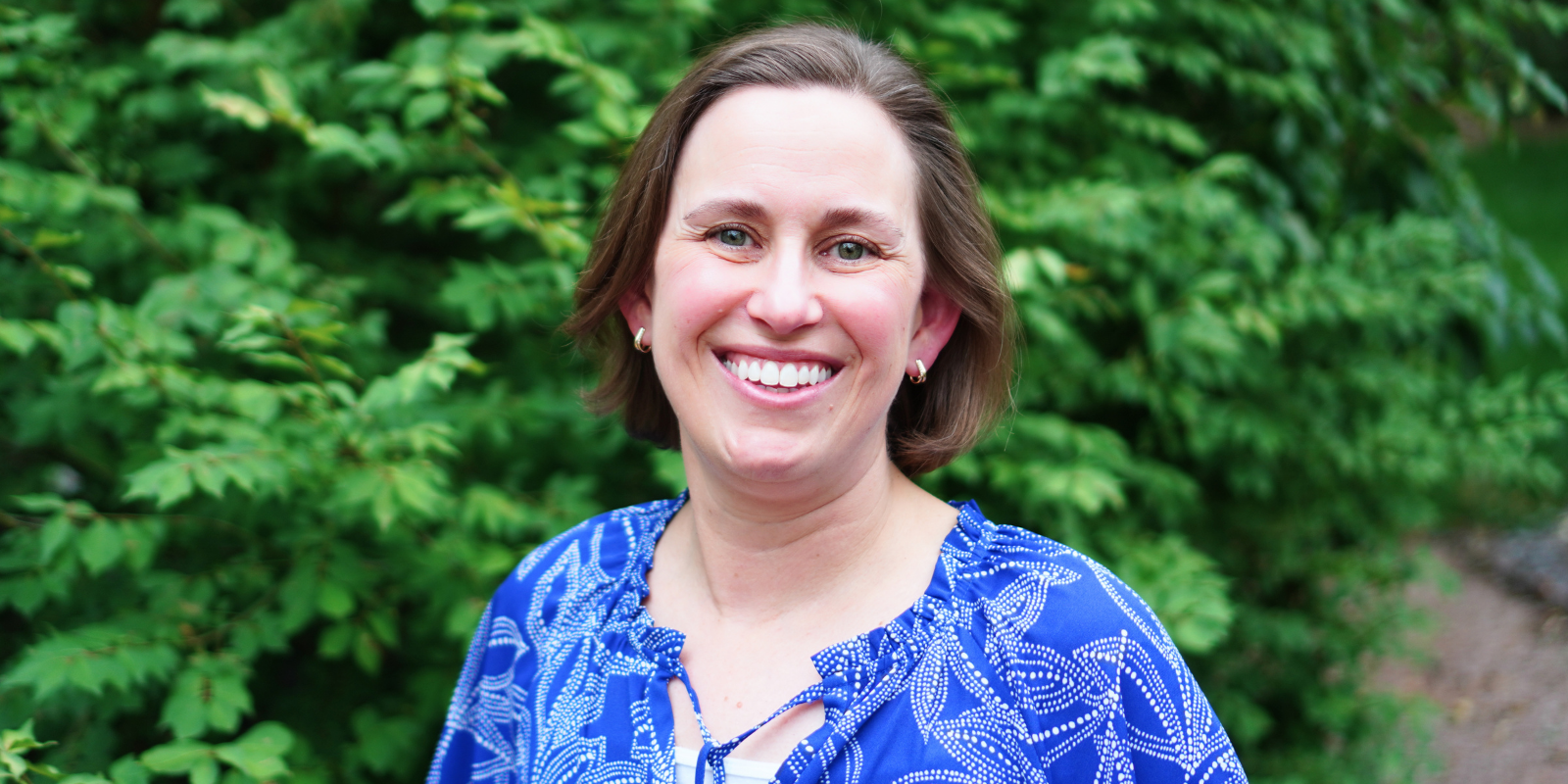
That’s all changed with new technologies and medical processes, says CU Cancer Center member Laura Graham, MD, assistant professor of medical oncology in the CU Anschutz School of Medicine.
“In order to improve access and allow people from the mountains or Wyoming or other rural sites to participate more easily, many of the steps in some clinical trials can now be done remotely, which is a change from the past,” she says. “Things like a basic blood count or metabolic panel can be done at a local clinic, you can get scans at your local institution, and some appointments can be done via telehealth instead of an in-person assessment. It’s in the best interest of the patients, and it also helps complete the trial faster, because it makes it easier for us to enroll patients.”
From exercise to obesity
As examples, Graham mentions a study of a cancer-targeted exercise program for survivors in rural communities, run by CU Cancer Center member Ryan Marker, PhD, PT, in which all steps, including blood sample collection, are done remotely, as well as a clinical trial overseen by CU Cancer Center member Thomas Flaig, MD, vice chancellor for research at CU Anschutz, studying the effects of the drug metformin on people with obesity who also have prostate cancer.
“In Dr. Flaig’s study, anybody with prostate cancer who meets certain criteria for glucose intolerance or BMI get consented through their online chart, they sign it virtually, and they get randomized virtually to receive either metformin or healthy lifestyle information,” Graham says. “All of the information is collected electronically and remotely, so there are no dedicated study visits or any in-person steps the participants need to take.”
The COVID component
Researchers were already beginning to make trials remote-friendly prior to the COVID-19 pandemic that began in 2020, but that health crisis necessitated many urgent changes that hastened the transition, Graham says.
“During COVID, we learned that we could do a lot of things virtually,” she says. “Things like telehealth became much more prevalent. Additionally, clinical trial accrual, especially in cancer, went down during COVID and in the years after, partly because people weren't coming in for in-person appointments as much. To try to increase that patient recruitment, there's been more of a push to decentralize and allow for more local assessments.”
Location, location, location
At the CU Cancer Center, researchers also have an advantage in clinical partner UCHealth and its satellite locations in Lone Tree, Highlands Ranch, Northern Colorado, and Southern Colorado.
“Anytime we open a cooperative group trial, we will offer to open it at Lone Tree, Highlands Ranch, and the other UCHealth locations, which expands access to everyone,” she says. “You don’t have to come only to the University of Colorado Hospital.”
Taking clinical trials remote also allows for greater diversity in the participant pool, which typically is a plus for researchers, Graham says.
“It makes for a more diverse patient population in the sense of ethnically and socioeconomically diverse, but also in terms of people who work full time, so having a remote visit or being able to get their labs drawn at a random time of day, closer to them, is much easier,” she says. “It improves access that way, and it also helps with costs — both time costs and financial costs to not have to travel all the way to the main center.
“The fundamental principle we believe here is that all patients deserve to have access to clinical trials, and you get better care on clinical trials,” she adds. “How can we remove the barriers to allow for that?”