Bile duct cancer is rare — around 8,000 new cases are diagnosed each year, according to the American Cancer Society — but it is an aggressive, fast-spreading cancer with a low five-year survival rate compared to other cancers.
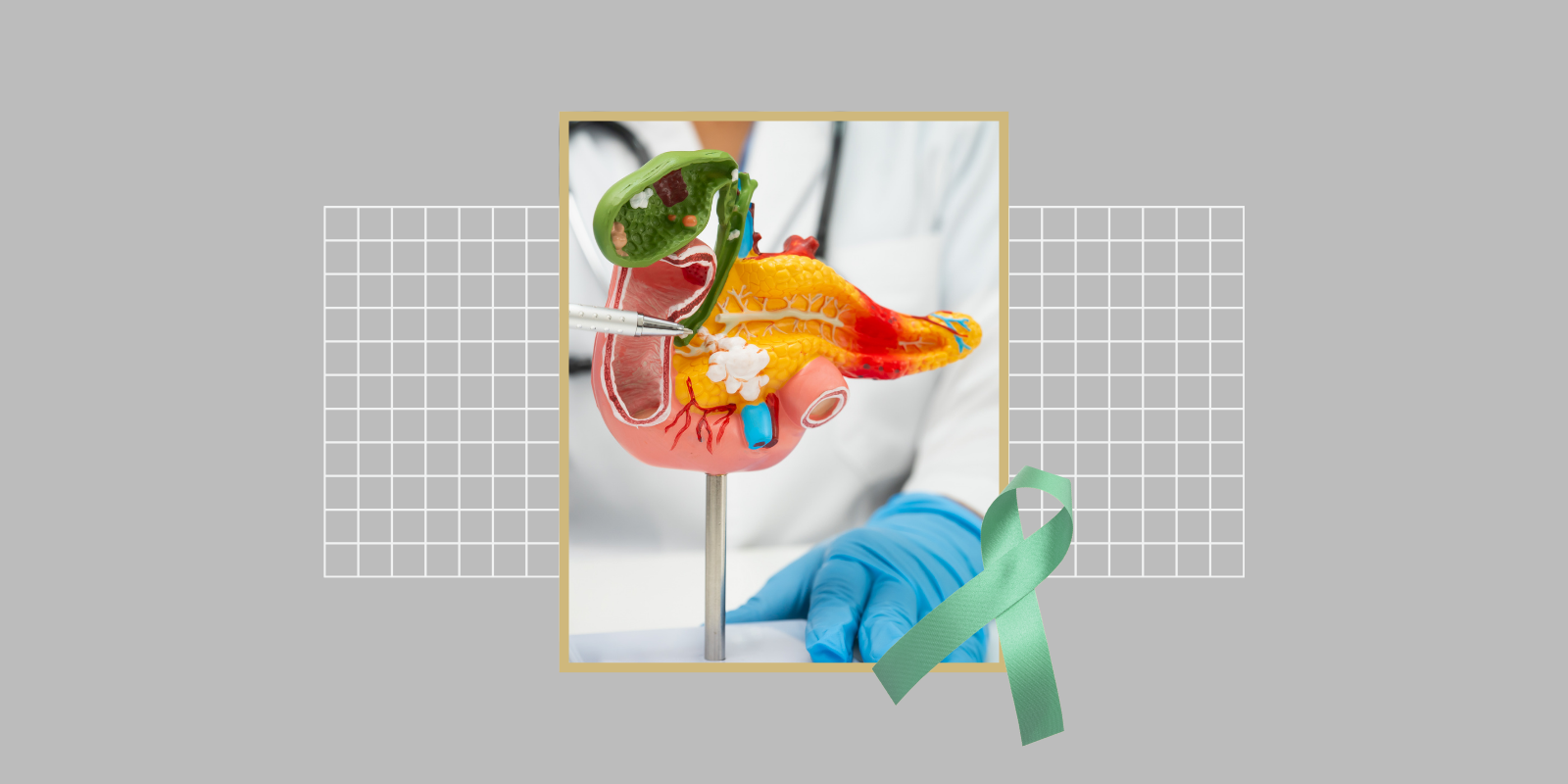
Bile duct cancer, or cholangiocarcinoma, starts in gland cells that line the inside of bile ducts, a network of tubes running from the liver to the gallbladder, pancreas, and small intestine. There are two main types — intrahepatic bile duct cancer, which starts in the bile ducts inside the liver, and extrahepatic bile duct cancer, which starts in the bile ducts outside the liver.
“They can have very different presentations, based on where they’re located,” says University of Colorado Anschutz Cancer Center member Lindsey Davis, MD. “A tumor in the liver doesn't cause blockage of the biliary tree, so people don't usually get jaundice, and it doesn't cause a lot of pain. Often, they are detected on imaging done for a completely different reason.
“If the tumor is closer to the pancreas, often people will get jaundice, or yellowing of the skin, or have more pain or infections, because there's a narrowing of the biliary tract there that can cause a lot of problems.”
Making surgery more effective
The primary treatment for bile duct cancer is surgery, when possible. When a cancer can’t be surgically removed, a patient is treated with a combination of radiation and chemotherapy.
“This is such an important diagnosis for us to review in our multidisciplinary conferences,” Davis says. “We get the radiologist, the GI doctor, and the surgeon together to decide if this is something that can be surgically removed or not, based on the location.”
The current standard for chemo is an oral medication, given after surgery to destroy any remaining cancer cells, but a current clinical trial at the cancer center is testing the efficacy of giving some amount of chemotherapy prior to surgery.
“We are looking to see if we could get more patients to a surgery and reduce recurrence — the likelihood of cancer coming back — if we gave upfront chemo and immunotherapy, went to surgery, and then did it again,” Davis says. “We call this a perioperative regimen —half up front, half afterward. That trial is open now and enrolling patients.”
Therapy on target
Other bile duct cancer research at the CU Anschutz Cancer Center has to do with advanced disease that is not able to be treated surgically. This research is focused on targeted therapy — drugs that target specific genetic alterations in the tumor.
“A unique aspect of cholangiocarcinoma is that there are often multiple targetable alterations in these tumors,” Davis says. “There are a couple of alterations that already have FDA-approved drugs to treat them — FGFR2 inhibitors and IDH1 inhibitors. We also have found that in gallbladder cancer and some other more distal cholangiocarcinomas, that HER2, a common mutation in multiple other cancers, including breast and gastric, is prevalent in different locations within the biliary tract.”
Cancer center researchers are looking at those and other mutations that can be targeted in bile duct cancer. A recently opened trial is investigating the potential to treat bile duct cancer with a type of drug called an antibody drug conjugate, or ADC.
“The idea here is that we are taking advantage of a protein that's more frequently expressed on the surface of the cancer cell, so the drug targets that protein or molecule, and it's bound to a very strong chemotherapy medication,” Davis says. “Then that strong chemo can be released to the location where we want it, rather than throughout the bloodstream, where we may have more side effects.”
Earlier treatment
Eventually, Davis and her fellow researchers hope the trials help patients with early-stage disease that is surgically treatable, as well as those with advanced bile duct cancer.
“There's definitely interest in trying to move these treatments into earlier settings — taking the data we have for the advanced disease and using it to treat people who have curable disease,” she says. “We also want to see if we can do better there.”