Factors including frailty, cognitive decline, comorbidities, malnutrition, and sensory impairment can make cancer treatment difficult to implement in older adults. A new multidisciplinary clinic at UCHealth, overseen by University of Colorado Anschutz Cancer Center leader Enrique Soto Perez de Celis, MD, PhD, is helping older people with cancer get the help they need.
“In order to provide high-quality care for older adults with cancer, the current recommendations are to take into account specific characteristics related to aging — geriatric impairments, geriatric characteristics, geriatric syndromes,” says Soto, associate director of Global Oncology. “In our clinic, a geriatrician conducts an in-depth analysis of the specific issues that people are facing, and that is used to provide them with supportive care interventions and also to optimize the treatment according to what we know about the benefits and risks of treatments with age.”
Screening for geriatric needs
Under the new protocol, new patients aged 65 years and older who come to CU Anschutz for breast, genitourinary, and gastrointestinal cancer care are asked four questions online before their appointment. Those answers, combined with data pulled automatically from their electronic health record, stratifies patients into two groups — those who would benefit from the geriatric clinic and those who don’t need any further interventions or modifications.
"This shows us the patients who have age-related impairments that may benefit from interventions,” Soto says. “For older patients who are vulnerable or frail, for example, we need to do a lot of work to improve and maintain their overall health status while they undergo chemotherapy or radiation.”
Making a plan
Some patients may need medications adjusted to avoid interactions with other medicines they are taking. Others may need assistance getting to appointments or clearly understanding medical instructions. At the CU Anschutz Geriatric Oncology Clinic — the first of its kind in the state — clinicians from the Division of Medical Oncology and the Division of Geriatrics in the CU Anschutz School of Medicine, with input from physical therapy, pharmacy, nutrition, and social work, collaborate on an individualized care plan.
“The idea is that this will help not only improve the overall health of patients, but also make sure that patients are able to undergo complex cancer treatments without having severe toxicities or a decline in their physical function,” Soto says. “There is evidence that shows that geriatric interventions can help with quality of life and reducing hospitalizations.”
Aging differently
Cancer is a disease of aging, Soto says, explaining that most cancers are more common in older people. However, there are vast differences in the way people age. One 75-year-old with prostate cancer may be climbing fourteeners and playing golf every weekend, while another 75-year-old with the same cancer may be homebound and using a walker to get around.
“Even though those two patients have the same chronological age and the same tumor, the possibility of treating them in the same way is very limited,” Soto says. “Through these interventions, we try to even this out by helping those patients who have accumulated more deficits over their lifetime.”
Expanding care
The Geriatric Oncology Clinic at CU Anschutz opened in March, and similar clinics are in the works at UCHealth facilities in Fort Collins and Colorado Springs. Specialized care for older adults with cancer is growing in importance as people continue to live longer, Soto says.
“We have patients who come to the clinic who are over 90 years of age,” he says. “We treat their cancer, but we also have to provide them with all the interventions we know can improve the quality of life of older people.”
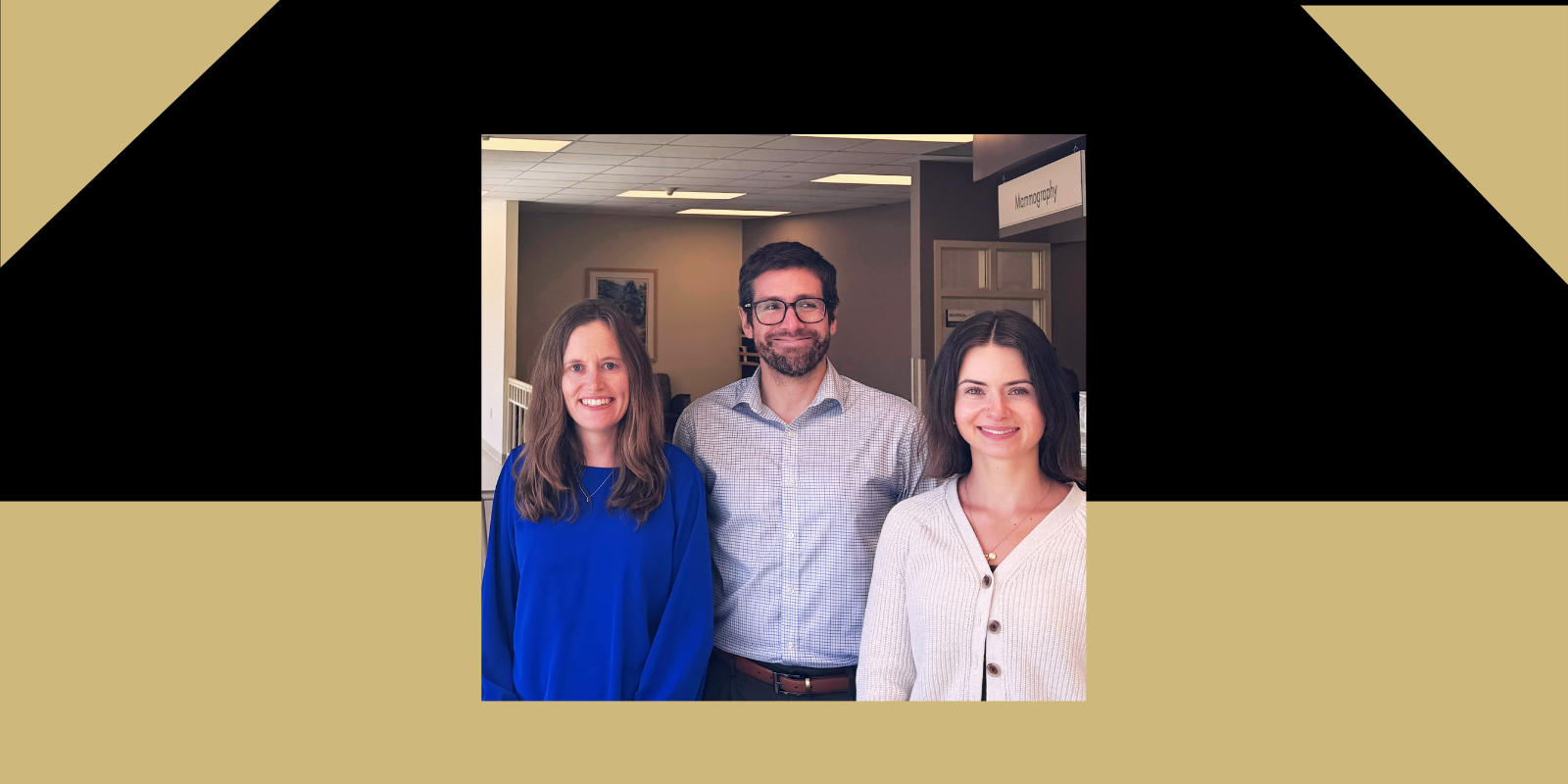
Featured image: Enrique Soto Perez de Celis, MD, PhD, with geriatric clinic members Sophie Clark, MD, and Elizaveta Pchelko, BS, BA.