How does radiation therapy compare to other cancer treatments such as chemotherapy or immunotherapy?
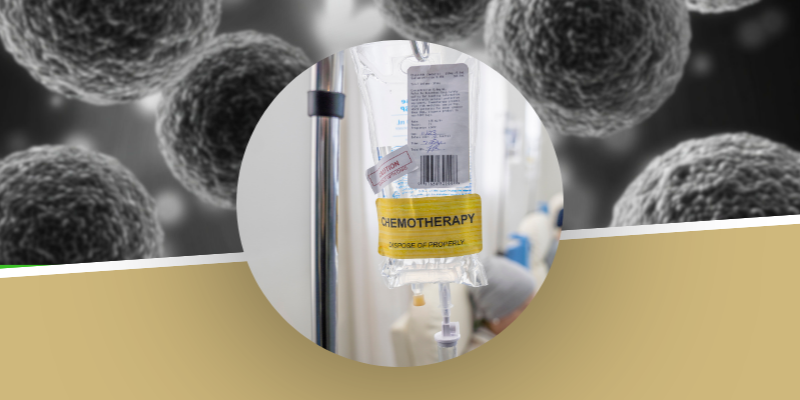
Radiation is one of the more agile cancer treatments we have. It has a role in virtually every cancer, and possible value to patients at any point in the treatment of a cancer. Sometimes we are contributing to the initial treatment of a person with curative intent, trying to rid the person of cancer once and for all. In that case, we might be combining radiation with chemotherapy or surgery or just using radiation by itself. Early-stage prostate cancer is a good example of a situation where radiation is often used alone.
At other times, we are treating a person later in the course of their illness, when it has flared up and returned and is causing symptoms or otherwise threatening to cause a problem. A person might have pain in a bone where cancer has spread, and we commonly use radiation to try to relieve that pain.
There are also times when we are between those two extremes. For example, we have good systemic therapies nowadays in the treatment of lung cancer that has begun to spread around the body, which is great news for patients. However, what can often happen is that even if we're getting a very good effect on almost all places where we know the cancer has spread, sometimes there are one or maybe a few spots that are resistant to the treatment. That is a frequent situation where we use radiation therapy, to try to get rid of the resistant parts. Cancers, once they've spread, tend to be quite challenging to treat, but with a thoughtful combination of systemic and local therapies, we are getting people to hang around for a lot longer than we used to.
How is radiation therapy used in conjunction with surgery?
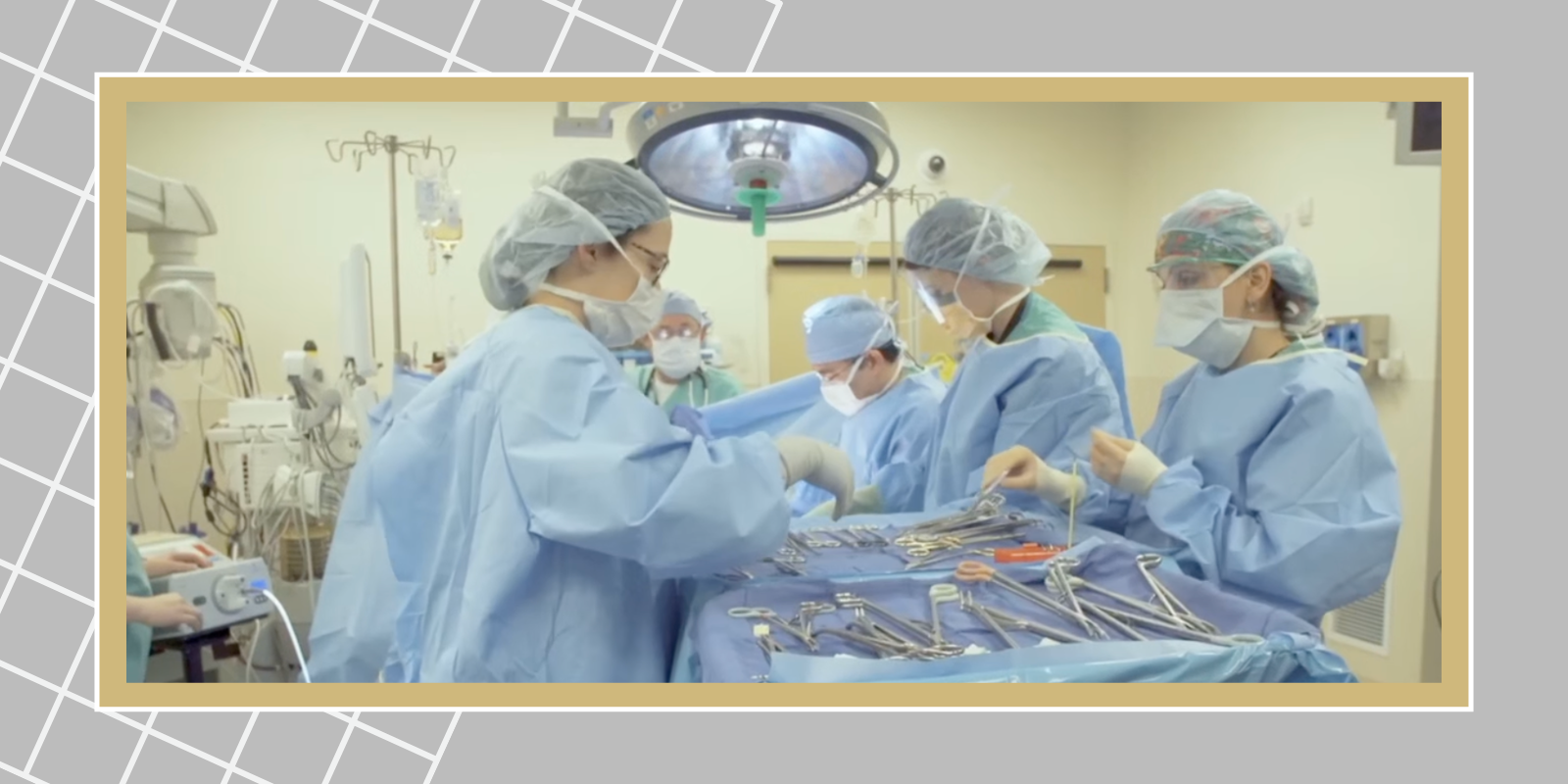
Usually what happens is a surgeon will go in and remove as much of the cancer as they can, but there are limits to how much can be removed in different parts of the body without taking too much of a toll. There could be tiny remaining deposits of cancer, not visible to the naked eye — what we refer to as microscopic amounts of cancer cells that have strayed off into the surrounding areas. So we'll often use radiation to clean up those remainders after surgery.
For example, a woman with early-stage breast cancer might choose to have a lumpectomy, or a surgical removal of the main part of the cancer as opposed to the entire breast. We follow that quite frequently with radiation treatment to the remainder of the breast to get at those tiny cancer particles that could have drifted into the surrounding breast tissue. For breast cancer and numerous other types of cancer, we're able to give the patient the choice of a more limited surgery and a preservation of their original anatomy, rather than a more extensive surgical procedure.
How is radiation therapy administered?
It's an outpatient treatment. The initial step in the process is a planning procedure, which is basically a specialized CT scan. We have the patient come in and lie down in the position that they're going to be in for the treatment. We will usually construct some sort of device that helps them to be in the same position every day and helps them to stay reasonably still during the treatment. If a patient is being treated for a cancer that arises in the head and neck region, for instance, we make a special plastic mask that has a lot of holes in it, so the person can breathe easily and see things, but it keeps them in a consistent position from treatment to treatment, so we know that when we're aiming at the tumor, it's going to be in the crosshairs of where we send the beam of radiation.
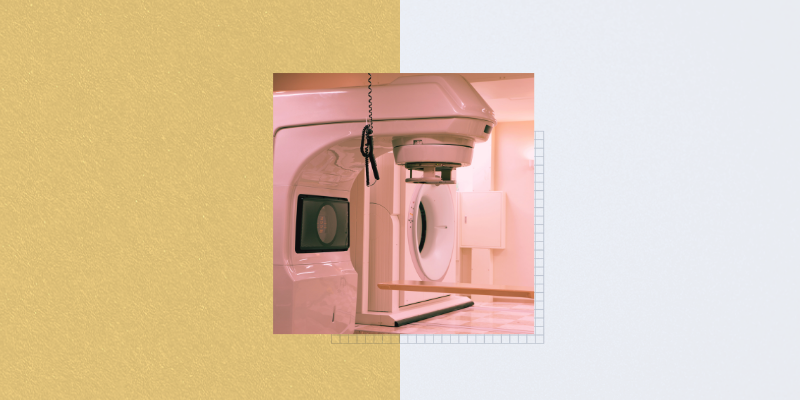
The treatment machines look similar to scanning machines that are used for diagnostic purposes, with a few differences. The patient is generally lying down on a flat surface with a pad under them. The treatment machines are mounted on the wall with an arm that sticks out and spins around, so the business end of the machine is spinning and moving around the patient, directing the radiation from all different angles.
How long does a session take?
Treatment appointment times are usually in the range of 15 to 20 minutes. Most of that is helping the patient up onto the table, positioning them the way we want them to be, and taking a setup x-ray to make sure they're in the right place. The actual turning on of the beam of radiation is usually only a few minutes.
There are some more specialized treatments that might take longer. For example, there are special circumstances where we might be treating a small tumor in the brain in one individual session that will take longer because there's more precision involved in the verification of the exact setup. Those kinds of radiation treatments, which we call radiosurgery, might take closer to 30 or 40 minutes.
How many sessions does a patient typically get?
The major goal of a lot of clinical research in radiation treatment over the past several decades has been about making things more convenient and faster, with fewer treatments. Nowadays, a lot of the common courses of radiation have been tightened up and shortened. It used to be common that a breast cancer patient would come in for once-a-day treatment for six or six-and-a-half weeks. Now, we can usually accomplish a good course of treatment in three weeks or fewer. Likewise, for prostate cancer patients, it used to be eight or nine weeks of treatment, and now that can usually be safely reduced down to five or five-and-a-half weeks and sometimes even less.
What are the side effects of radiation therapy?
The first thing we tell anybody getting radiation treatment is that there's always the possibility of some amount of tiredness, or fatigue. That's because your body's going to spend some energy that you're not conscious of in responding appropriately to the treatment. You’re not going to be in bed all day, or be totally incapacitated, but you might want to take an occasional nap or sleep in once in a while, just to catch up.
We encourage people to stay as engaged as possible with all the regular activities they enjoy doing and live their best life, because the people who stay the most active notice the fatigue the least.
Beyond the tiredness, radiation treatment side effects will depend on how much treatment is given and to what part of the body. I would encourage any patient to have a conversation with their radiation oncologist about what to expect from their particular course of treatment.
What is internal radiation therapy?
Internal radiation therapy, which is also called brachytherapy, is a form of treatment where we either temporarily or permanently insert some radioactive material directly inside the tumor or directly up against it. One of the most common examples of this treatment is women who have cervical cancer. In many cases, we will combine a course of external treatment with a few internal treatments. The reason for doing that is that we can give a very focused, concentrated high dose of radiation right where we need it to go, in the center of the cancer itself, with relatively little radiation exposure beyond the structures we're working on.
We also use brachytherapy for other cancers, including some relatively uncommon types. One example of an uncommon tumor that we treat commonly here at the University of Colorado is a condition called choroidal melanoma, which is where a type of cancer called melanoma develops on the back side of the eye, close to the retina. Melanomas usually occur on the skin but occasionally develop in other parts of the body. One of the treatments for choroidal melanoma involves a specific temporary placement of radioactive material on the back side of the eyeball, right next to the tumor. That gives us a good chance of getting rid of the cancer without having to remove the eye. We have a terrific colleague on campus, Dr. Scott Oliver, of the Department of Ophthalmology, who is a leading expert in the treatment of ocular melanoma, which is why so many patients are referred to this institution for this sort of treatment.