Not every search for better ways to treat cancer leads to a breakthrough. Sometimes, a study shows that a new drug doesn’t produce better outcomes than the current standard of care. But even negative results can prove valuable in refining research that eventually may point to new, more effective treatments.
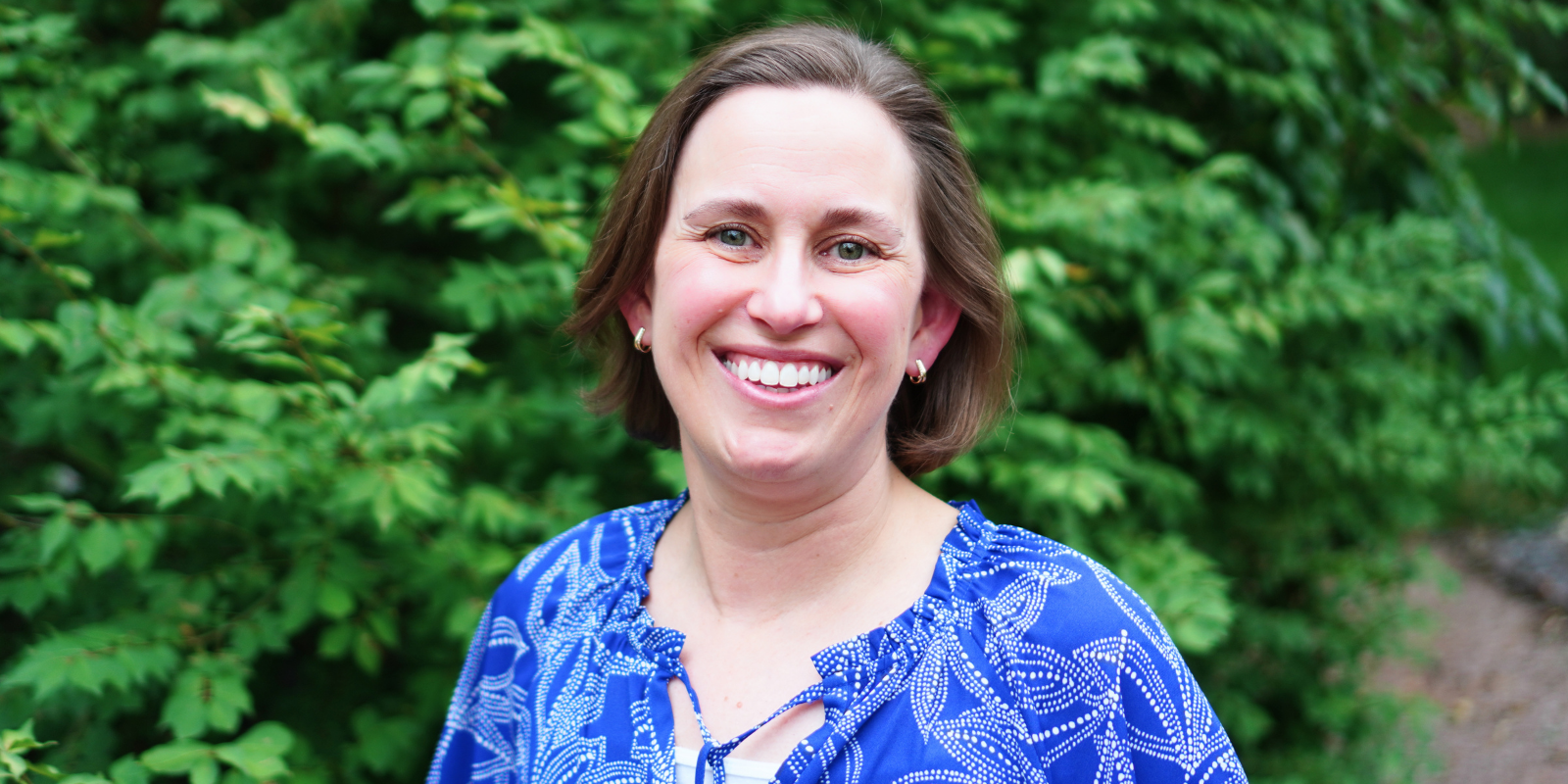
One example is a recent international clinical trial involving a type of pediatric cancer, led by University of Colorado Cancer Center member Margaret (Meg) Macy, MD, holder of the Hoover Family Endowed Chair in Cancer Research and Innovation.
Macy recently reported her findings – “A phase 2 randomized study of chemoimmunotherapy with or without eflornithine (DFMO) in relapsed/refractory neuroblastoma” – at the annual meeting of the American Society of Clinical Oncology. A full paper on the study is forthcoming.
Macy is a professor in the CU Department of Pediatrics. She practices at the Children’s Hospital Colorado's Pediatric Oncology Program and is the program lead for the Experimental Therapeutics Program for cancer at the hospital, a clinical partner of the CU Cancer Center. She focuses her research on finding novel therapeutics for pediatric cancer.
“I got into this because I love the patients and I love the families,” she says. “It’s the last frontier of science in terms of unanswered questions about how to make things better. It combines my love of problem solving, determining what’s best for patients, and trying to offer cutting-edge therapies to families to make a difference in their lives.”
Relapsed and refractory neuroblastoma
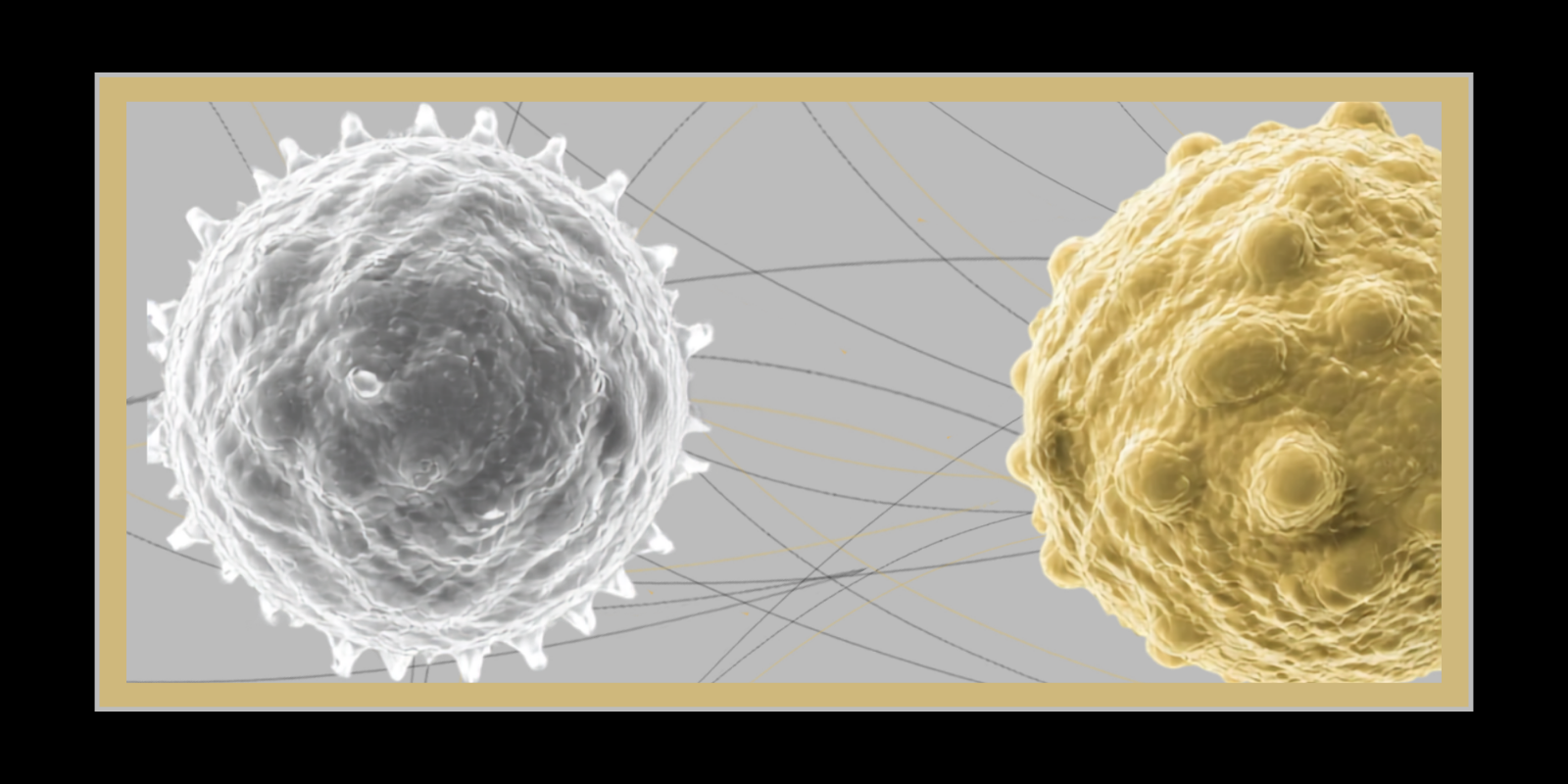
Macy’s phase 2 randomized study focused on patients with neuroblastoma, a cancer that forms in immature nerve tissue, often found in the adrenal glands or nerve clusters along the spine. It’s most commonly diagnosed in children about 1 to 2 years old. Only about 700 to 800 new cases are diagnosed each year in the United States, but it is by far the most common cancer among infants.
Specifically, Macy’s study involved patients with high-risk neuroblastoma whose cancer stopped responding to treatment after a period of improvement (a first relapse) or whose cancer continued to progress under treatment (refractory).
“Historically, these patients have a very poor prognosis,” Macy says. Then, several years ago, a trial showed that when an immunotherapy agent called dinutuximab was combined with chemotherapy drugs – a treatment strategy called chemoimmunotherapy – “we had remarkable response rates in the mid-40% to 50% range, which was the first time we had response rates that high,” she says. “That changed the paradigm.”
Macy says the current chemoimmunotherapy standard for these patients is dinutuximab with the chemotherapy drugs irinotecan and temozolomide, a combination called DIT.
The clinical trial for which Macy was principal investigator sought to evaluate whether a medication called difluoromethylornithine (DFMO) would improve response rates to DIT in this subset of neuroblastoma patients.
Macy says DFMO, which is used to treat African sleeping sickness, inhibits an enzyme involved in the production of polyamines, “which neuroblastomas are very dependent upon,” so DFMO has been investigated as a way to slow tumor growth. Additionally, DFMO has been shown to have some effects on the immune system.
“We thought that if we use DFMO, we could target the neuroblastoma and stimulate the immune system and make the chemo-immunotherapy work better. That was the concept behind this,” she says.
Negative and positive sides
The study was sponsored by the Children’s Oncology Group, a member of the National Cancer Institute’s National Clinical Trials Network. It was conducted at Children’s Colorado and 145 other sites in the U.S., Canada, Australia, and New Zealand.
Ninety-one patients with relapsed or refractory high-risk neuroblastoma were enrolled. The trial compared patient response to DIT with or without DFMO, with 47 of the patients treated with both and 44 with only the standard DIT therapy.
Macy says that researchers were aiming for a 20% increase in response rates once the DFMO was added to DIT. Instead, they found that the addition of DFMO did not improve response rates. Progression-free survival and overall survival rates were about the same for the two patient groups, she says.
“Unfortunately, that was the result of the trial, so it was a negative trial in that sense,” she says, “but the positive side is that we confirmed the highly active rate of response” to DIT in this population of patients, highlighting the importance of randomized trials. The study also found that fewer patients experienced pain during DIT treatment when DFMO was added.
Macy and her colleagues do not plan to investigate DFMO further for patients with relapsed or refractory neuroblastoma because of the study’s results, but “we learned some valuable things,” she says. “The pain aspect is an interesting finding that we need to explore further in the data.”
‘A fantastic program’
Meanwhile, “the hunt is still underway for something” to improve chemoimmunotherapy response and survival rates for these relapsed or refractory neuroblastoma patients, Macy says.
The CU Cancer Center is an ideal setting for this kind of work, she says, citing the leadership of Lia Gore, MD, program co-leader of the developmental therapeutics program at the CU Cancer Center, and section head of Hematology, Oncology, and Bone Marrow Transplantation in the CU Pediatrics Department.
“I came here as a resident and stayed as a fellow,” Macy says. “Lia founded and developed the Experimental Therapeutics Program here, and that was exactly what I wanted to do. I’ve been working with her since I was a fellow in 2006. We have over 50 phase 1 and 2 trials with experts in brain tumors, leukemia, and solid tumors involved in drug development and clinical trials. We have patients referred in from all over the Rocky Mountain region. We have a fantastic program here and I am proud to be a part of the team.”
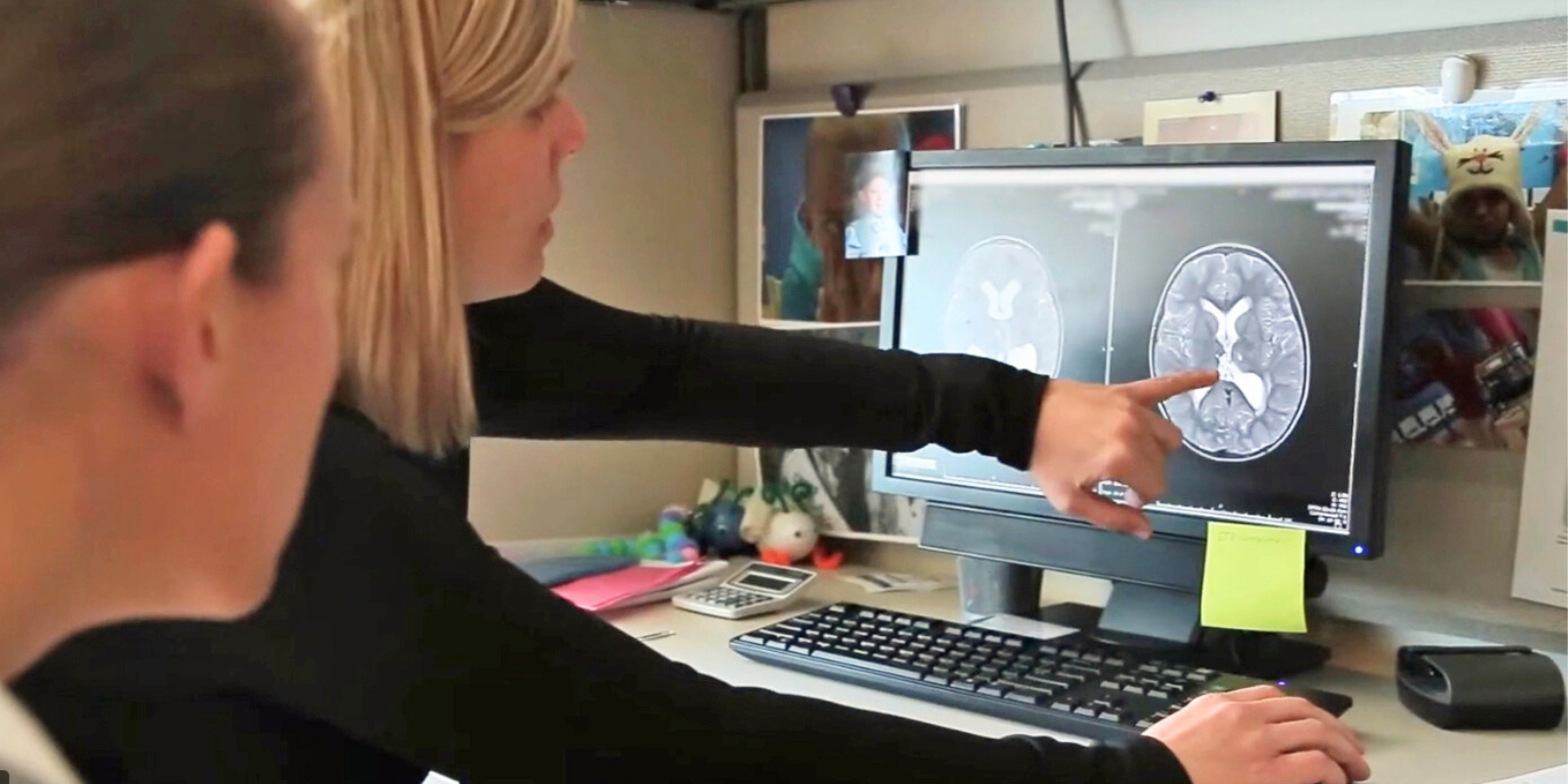
Photo at top: Meg Macy, MD, examines a scan. Photo courtesy of the Children's Hospital Colorado.
%20Macy%20headshot%20300%20x%20300.png)