

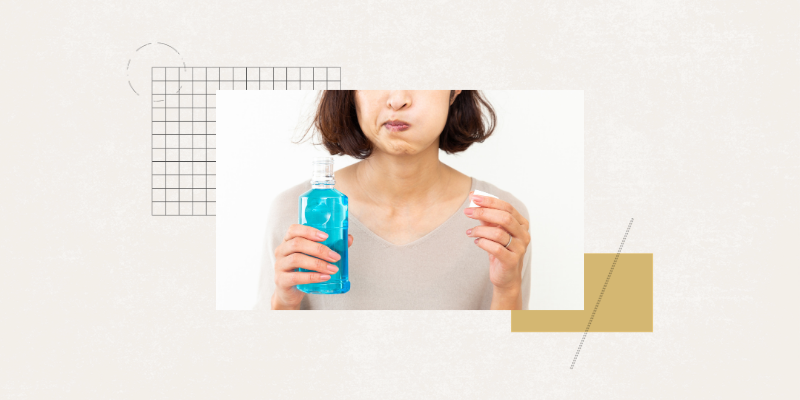
Choosing a mouthwash can feel overwhelming with rows of brightly colored bottles all promising fresher breath and healthier gums. Amy DeStaffany, RDH, BS, MS, AFAAOM, an associate professor of diagnostic sciences and surgical dentistry at the University of Colorado Anschutz School of Dental Medicine, says the key is understanding the ingredients.
“Knowing what’s in your mouthwash helps you pick something that actually supports your oral health,” she explained.
Plaque, also known as biofilm, is the sticky bacterial film that forms on teeth and drives tooth decay, cavities, gum disease and tooth loss. Left untreated, these bacteria can enter the bloodstream, increasing the risk for conditions including dementia, diabetes and heart disease.
Reading labels helps you choose a rinse that targets the specific issue you’re trying to manage.
Key Mouthwash Ingredients and What They Do
- Chlorhexidine gluconate
- What it does: Strongly inhibits bacterial growth
- Best for: Gingivitis, post‑surgery care and root canal irrigation
- Note: Prescription only
- Saltwater rinses
- What they do: Reduce inflammation and are widely accessible
- Best for: Mild gum irritation or when chlorhexidine isn’t available
- Research: Recent studies show anti‑inflammatory benefits similar to chlorhexidine in some cases.
- Essential oils (e.g., Listerine formulas)
- Ingredients: Menthol, eucalyptol, thymol, methyl salicylate
- What they do: Kill bacteria and reduce plaque
- Best for: Gingivitis, general preventive care
- Chlorine Dioxide (used in CloSYS products)
- What it does: Reduces bacteria and bad breath
- Best for: Halitosis (chronic bad breath)
- Fluoride
- What it does: Strengthens enamel and protects against cavities
- Best for: Anyone prone to tooth decay or with a history of cavities
Ingredients to Use Cautiously
- Alcohol: Some mouthwashes contain significant alcohol levels. While these can effectively reduce plaque and gingivitis, they may also dry out the mouth.
- Herbal rinses: Products containing sage, thyme, calendula, peppermint, tea tree,or eucalyptus oil are gaining popularity. However, DeStaffany notes that research is still limited. They may be a complementary option, but not a replacement for proven ingredients.
Look for the ADA Seal of Acceptance
DeStaffany recommends choosing products with the American Dental Association (ADA) Seal of Acceptance. This seal confirms that the product has been evaluated and proven safe and effective.
Ask Your Dental Team
Your dentist or hygienist can recommend the best rinse for your oral health needs and show you how to incorporate it into your daily routine. Research shows that patients who follow clinician recommendations have greater success reducing plaque at home.


.png)