Hypertrophic cardiomyopathy (HCM) is a largely genetic, lifelong heart condition that’s thought to affect somewhere between 1 in 200 and 1 in 500 people. It can sometimes be a cause of heart failure and dangerous heart rhythms, but HCM often doesn’t cause symptoms. Many people don’t know they have it.
A team with the University of Colorado Anschutz’s HCM program is working to expand the range of treatment options for patients, including a line of next-generation medications, specialized surgeries and procedures. The program has been recognized by the Hypertrophic Cardiomyopathy Association (HCMA) as a Center of Excellence for treating HCM.
“As a Center of Excellence, we offer a range of effective management strategies for HCM, from diagnosis with sophisticated imaging and genetics to advanced treatments, up to and including heart transplants,” says David Raymer, MD, a co-director of the HCM program and assistant professor of cardiology in the Department of Medicine.
“Our center really offers a whole spectrum of HCM care,” he says.
What is hypertrophic cardiomyopathy?
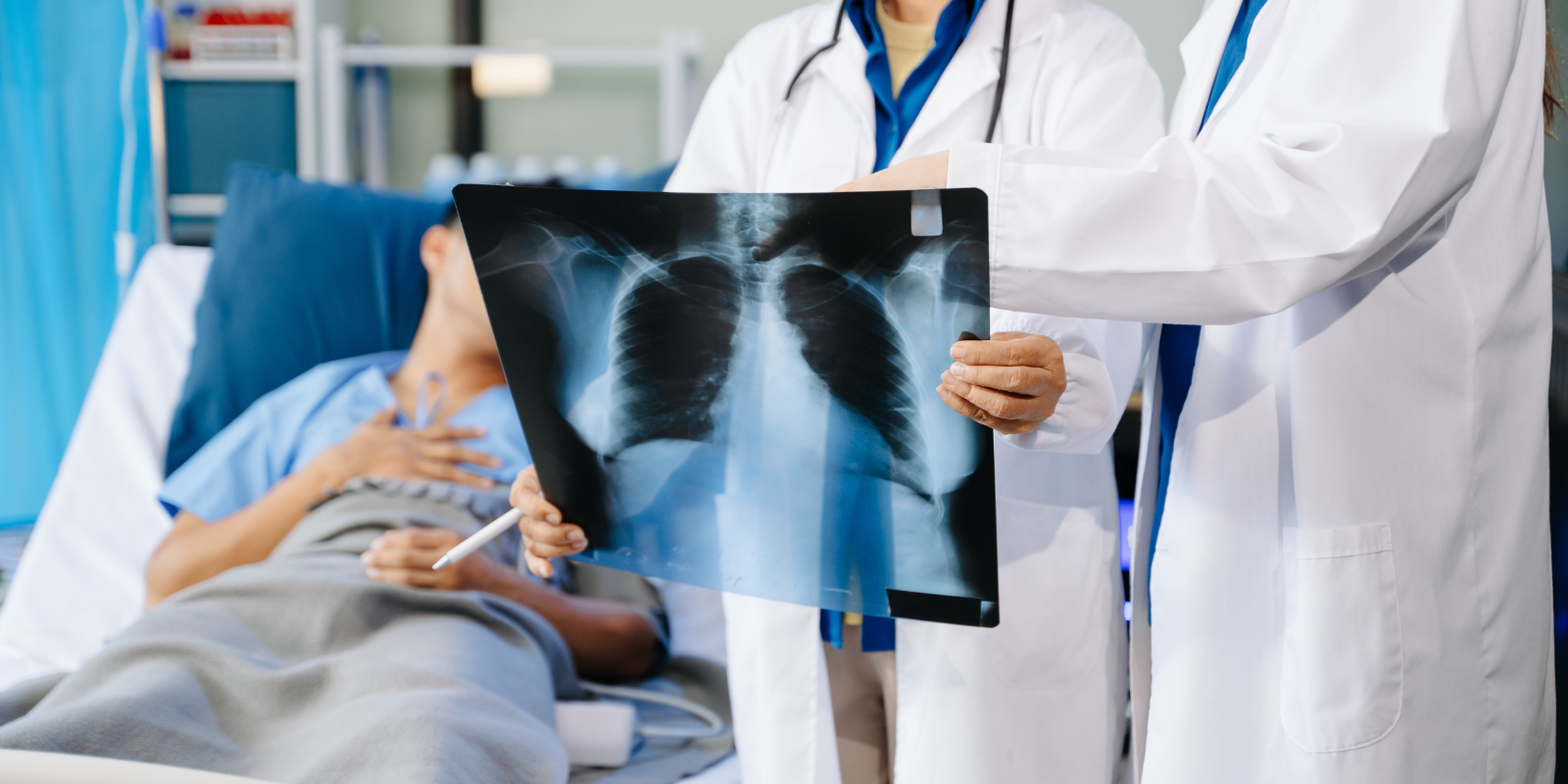
HCM causes thickening in the heart muscle walls, most often the septum – the muscle wall that sits between the ventricles, or lower chambers of the heart. These thicker muscle walls shrink the space inside the ventricles and make it harder for the heart to pump blood.
The most common type of HCM, known as obstructive HCM, thickens the muscle below the aortic valve and impacts blood flow from the heart to the rest of the body. Nonobstructive HCM can still cause overall problems with blood flow and circulation.
When HCM does cause symptoms, they can include shortness of breath or chest discomfort (especially with exercise), heart palpitations, dizziness, and fainting. Because these symptoms can overlap with other conditions, doctors sometimes have difficulty recognizing and diagnosing HCM.
But when left untreated, HCM can lead to serious health problems. Serious complications like heart failure, arrhythmias (such as atrial fibrillation or ventricular tachycardia), or mitral valve regurgitation, where the mitral valve weakens and allows blood to flow from the left ventricle back into the left atrium, are possible. HCM can also slightly increase the risk of cardiac arrest and sudden death.
Treating HCM
Although HCM doesn’t have a cure, symptoms are treatable. The best treatment option for a patient depends on what symptoms they are experiencing, which is often connected to the pattern of muscle thickening in the patient’s heart. Raymer says a major challenge of treating HCM is determining what’s causing someone’s symptoms and which treatments are most appropriate for them.
A promising new class of drugs called cardiac myosin inhibitors specifically targets obstructive HCM. They work by reducing muscle contractility within the heart, and so far, research has shown them to be effective at reducing symptoms for many patients.
A heart with obstructive HCM often contracts too strongly, and in between contractions, it doesn’t fully relax, so the ventricles aren’t able to expand normally and fill with blood. Muscles contract because of two proteins in muscle fibers, actin and myosin, that bind together (and later release). So cardiac myosin inhibitor drugs, such as mavacamten and aficamten, block myosin from interacting as strongly with the actin, which softens the contractions.
“The underlying cause of a lot of the problems in HCM is a hyperactive heart muscle, so these medications decrease the intensity of that muscle function to get it to a more normal level,” says Raymer.
The HCM program at CU Anschutz is one of the programs currently prescribing these medications. Mavacamten was also developed at the Cardiovascular Institute at CU Anschutz’s sister campus in Boulder.
Medications aren’t the only treatment route the HCM program at CU Anschutz offers. Surgeries, such as septal myectomies or alcohol septal ablations, can also be effective for some patients. The HCM program boasts some of the only doctors in the region that perform these procedures. For especially severe cases of HCM, some patients receive a heart transplant, which the UCH team is also equipped to provide.
Raymer says new medications approved for treating high pressure in the heart are also being investigated for other patients, and his team is exploring some novel procedures for treating HCM.
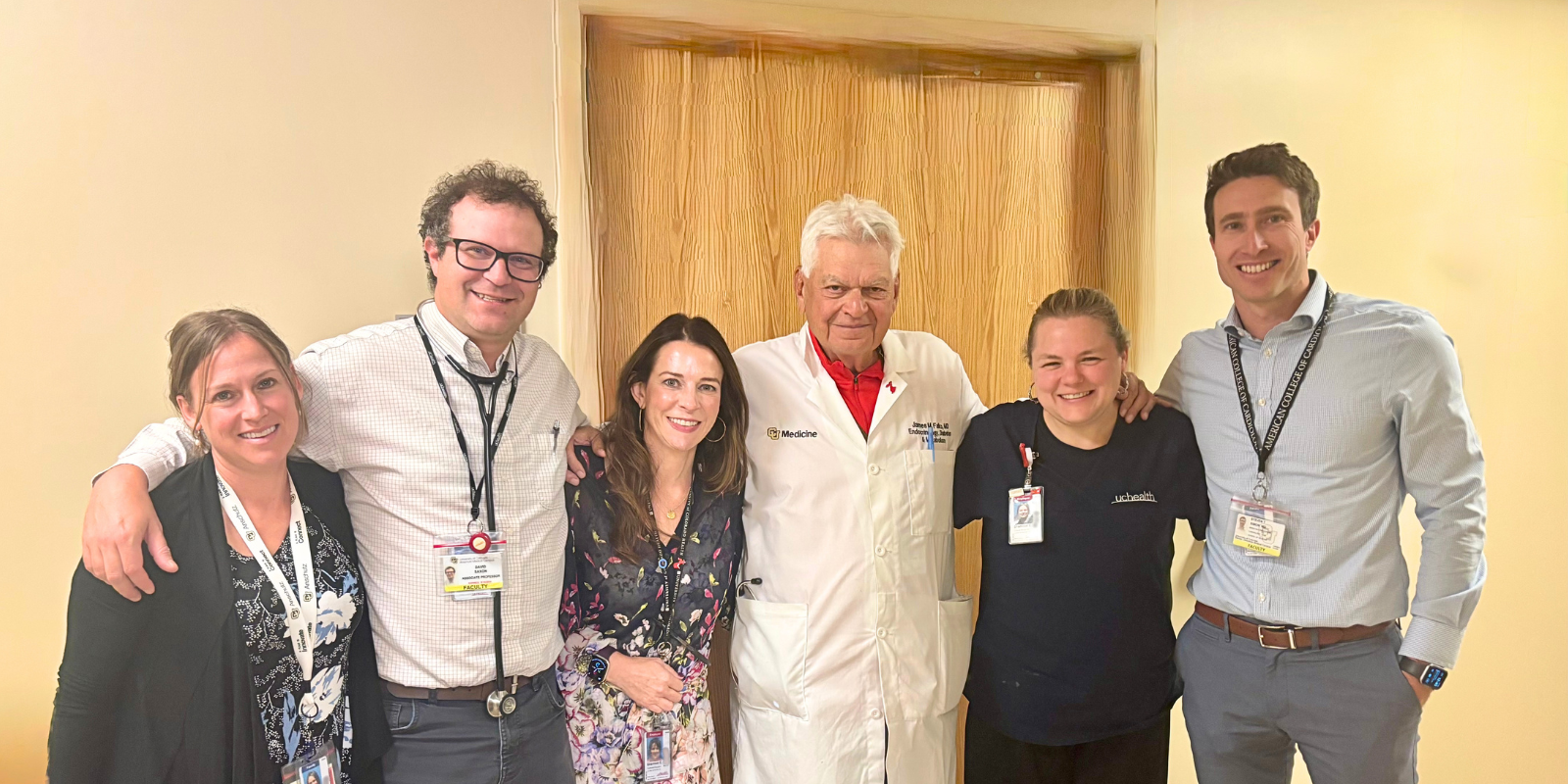
Although Raymer is a co-director with the HCM program, he emphasizes that advancing research and care for patients has truly been a team effort.
“We have many important members of the team comprising general cardiologists, electrophysiologists, interventional cardiologists, cardiac surgeons, geneticists, and our heart transplant team,” he says. “It’s a large group of us who all do this together.”