
Undergoing a major orthopedic surgery like a spinal fusion or disc replacement can be daunting for patients, particularly if they have other conditions that may complicate their surgery. At the University of Colorado Anschutz, a team of hospitalists partner with surgeons to make the process easier, safer, and more accessible — and data indicates their methods are working.
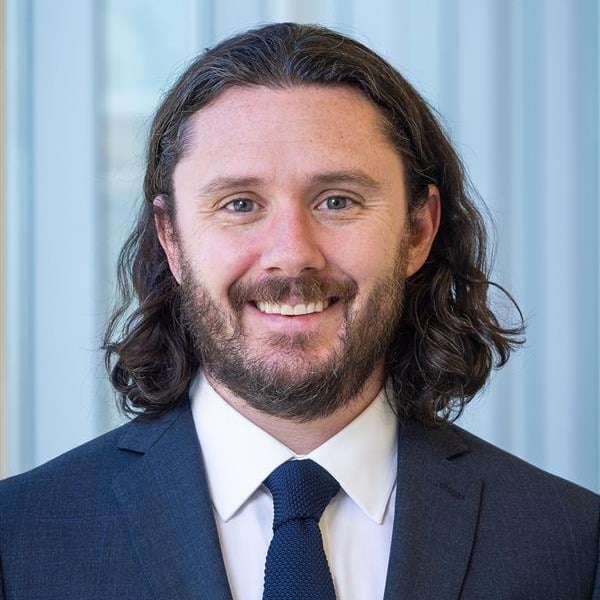
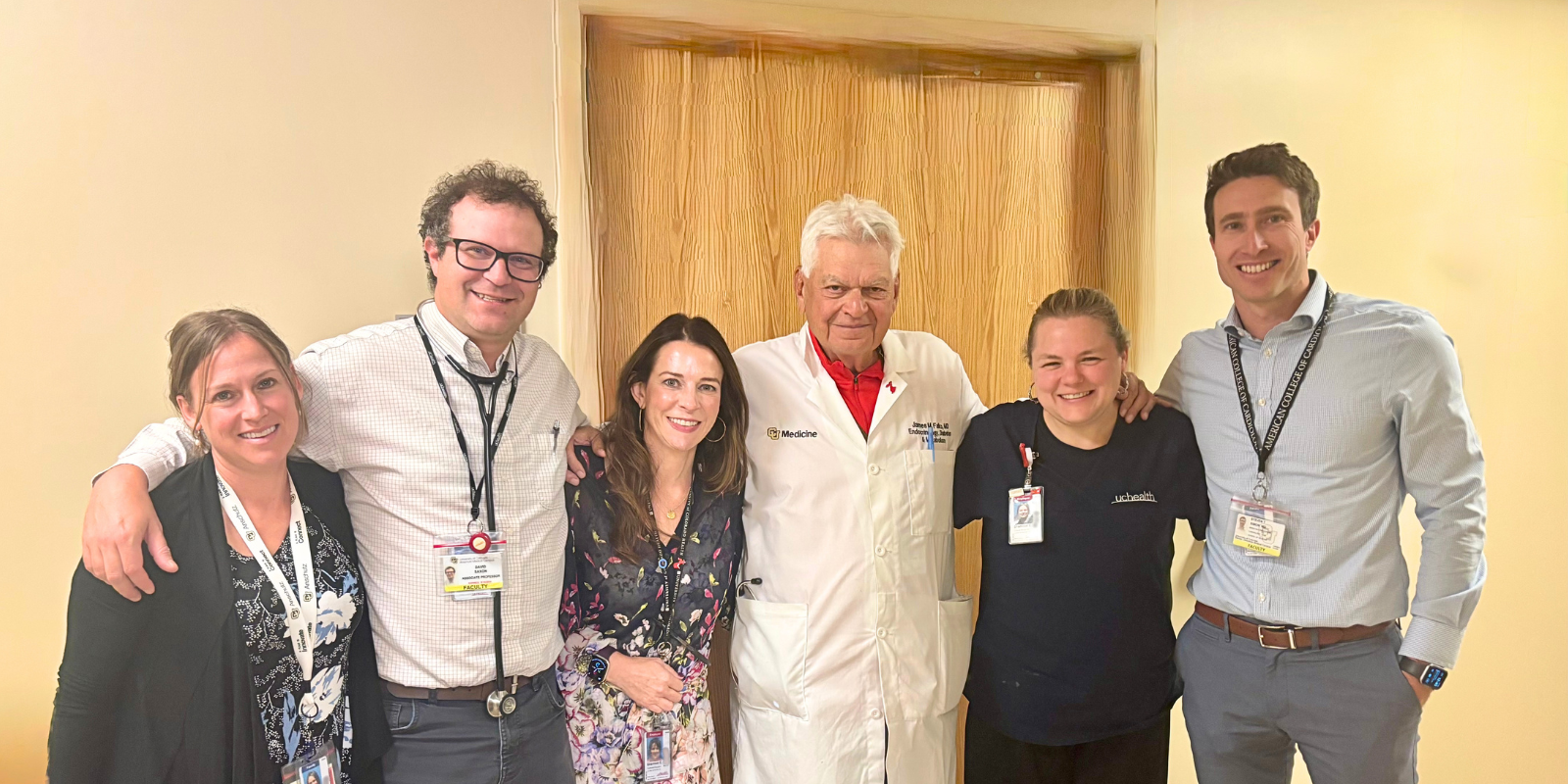
The Medicine Consult Service, a service line within the Division of Hospital Medicine at the CU Anschutz Department of Medicine, is co-directed by Amanda “Mandy” Johnson, MD, and Philip Vatterott, MD. Under this service line, hospitalists co-manage patients with other specialty doctors throughout the patients’ stay at the UCHealth University of Colorado Hospital (UCH).
The consult service has partnered with various specialties, including orthopedics, geriatric trauma, and psychiatry. In October 2024, the hospital medicine division furthered its partnership with the CU Anschutz Department of Orthopedics by establishing a co-management agreement with the department’s Adult Spine Division. Now, patients undergoing orthopedic spinal surgery who are considered medically complex (meaning they are over the age of 65, are undergoing an intensive surgery, and/or have other pre-existing conditions) are overseen by both the surgical and hospitalist teams.
This collaborative approach has received positive feedback from clinicians and patients, and internal quality data suggest patient outcomes have improved since the program's implementation.
“We want to make sure that from the time a patient enters our hospital doors to the time they leave, they get the best level of care possible,” says Vatterott, an assistant professor of hospital medicine. “What makes these collaborations unique is how two distinct departments are uniting their expertise to customize the hospital experience for major surgery patients.”
‘We are the first line’
When a patient is admitted to the hospital, it is the hospitalists — clinicians who provide internal medicine support to a diverse array of patients across specialties — who step up to overlook their care.
“We are the first line for admitted patients — but it’s not just us taking care of them. We work with all other specialties to get patients the care they need; so even though we’re involved in all facets of care, we rely on the expertise of specialists and other staff in the hospital,” Vatterott says. “We help to make sure everything gets done in the best way possible.”
“A surgeon’s job is to make sure a patient gets the best surgical care — not necessarily monitoring their cholesterol, blood pressure, diabetes, or various needs like that,” he adds. “We help by doing that monitoring and providing care for those other conditions while patients get their specialty care.”
For some specialties, this coordination has gone a step further by establishing formal co-management agreements through the Medicine Consult Service. The Department of Orthopedics first established an agreement roughly a decade ago, so that certain medically complex orthopedic patients, who were typically only under the primary care of surgeons, are now also overseen by hospitalists.
“We’ve developed a hand-in-glove relationship where we directly care for their patients. We see their patients every day,” Vatterott says. “These patients are essentially getting the same care they would get on a traditional hospitalist service, but their hospital admission is for an orthopedic cause or diagnosis.”
Several years ago, the department’s spine division noticed there was a rise in the number of potential surgical patients with medical complexities. Due to how serious spinal surgery is, these complexities can limit the ability of a patient to get surgery because comorbidities can increase a patient’s surgical risk. By having hospitalists co-manage these medically complex patients, the clinicians aimed to improve the accessibility of these surgeries as well as the outcomes for patients after receiving surgery.
“This approach can give surgeons more confidence to perform life-changing surgeries that they otherwise may not have,” he says. “I’ve always enjoyed perioperative care, and I think what these spinal surgeons do is amazing. They take on these incredibly complex cases where some patients have become quite debilitated, being unable to walk or even breathe properly.
“Using my skills to support complex, high-stakes surgeries allows me to make a meaningful impact.”
The hospitalists at UCH — comprised of physicians and advanced practice providers (APPs) such as nurse practitioners and physician assistants — regularly conduct their own rounds with patients, providing care both before and after their spinal surgery. This includes both patients who had pre-planned surgeries as well as patients who needed an unplanned surgery due to an accident, such as falling and breaking their back.
“For the unplanned surgeries, we’ll be notified immediately and perform a pre-operative evaluation to determine their surgical risk and whether they need further testing before surgery,” he says. “After the surgery, we are also there to help with post-operative care, including helping manage patients’ pain.”
Reducing potential ‘blind spots’
Research shows these types of partnerships are beneficial to patients and can lead to better outcomes, Vatterott explains. For example, a published systematic review of collaborations between physicians from different medical specialties in hospital settings found that “interphysician collaboration increased clinical outcomes as well as patient and staff satisfaction, while error rates and length of stay were reduced.”
Vatterott has witnessed the benefits at UCH, explaining that patients and clinicians have offered positive feedback on the approach. He says patients especially like having a second set of providers, in addition to their surgeons, who they can hear from and talk to.
“This partnership is important because it helps patients get the best care for each part of their hospitalization. The surgeons can focus on their surgical and post-surgical care, the nurses can notice and react more quickly to situations, and the medicine doctors and APPs can ensure any other medical issues are taken care of,” Vatterott says. “It reduces any potential blind spots before we discharge patients from the hospital.”
Another highlight for Vatterott has been the opportunity to connect with these surgical patients.
“I’ve really liked getting to know this patient population. I can’t stress enough how debilitating spinal conditions can be, and this population deals with a lot of pain and functional disability,” he says. “We’re now really able to help a patient population that we wouldn’t otherwise be interacting with as closely.”
‘How two branches of medicine interact’
The Medicine Consult Service is also helping physicians like Vatterott better train the upcoming generation of physicians, because medical students, residents, and fellows are able to learn from hospitalists who work in this service.
“It gives trainees a unique perspective by seeing how two branches of medicine interact with each other. The other benefit is that, in this service, you have to communicate a lot more to inform the surgical team what is happening,” he says. “Knowing how to effectively communicate is a key educational lesson for trainees.”
As the consult service continues to evolve and further its partnerships with other surgical specialties, a main goal for everyone involved is to continue “identifying how we can make a patient’s hospital experience as safe and as streamlined as possible,” he says. “By working together to take advantage of our different skillsets, we can help clinicians and patients succeed.”