A new partnership between a biobank at the University of Colorado Anschutz Department of Medicine and a private health care technology company, Network.Bio, promises to expand the scope of research aimed at uncovering better treatments for the millions of patients across the globe dealing with gut-related conditions.
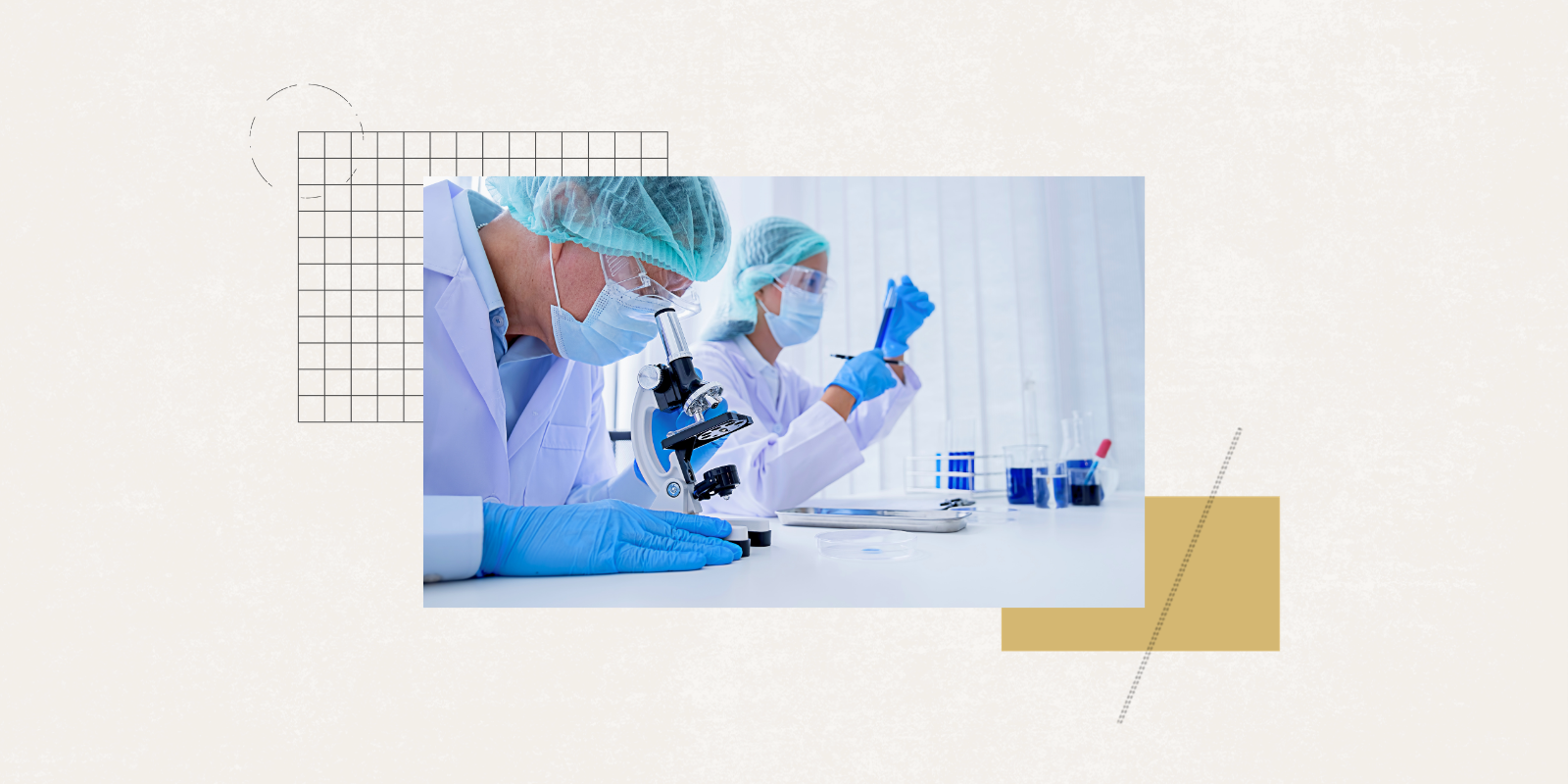
The CU Anschutz IBD Biobank, which began nearly two decades ago in the Division of Gastroenterology and Hepatology, stores limited patient tissue samples that researchers can use to study inflammatory bowel disease and other gastrointestinal issues.
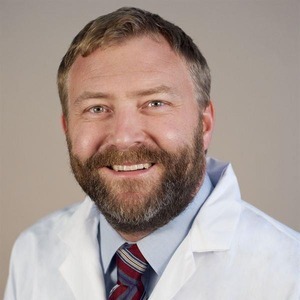
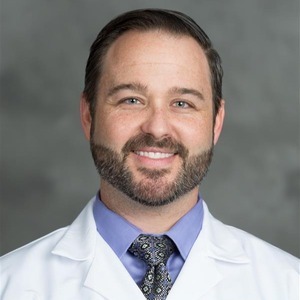
“These samples allow us to ask questions without putting any patients at risk,” says Calen Steiner, MD, the biobank’s associate director and an assistant professor of gastroenterology and hepatology. “It’s a massive bridge between discovering something and putting it safely into a human.”
About a year ago, CU Anschutz researchers connected with Network.Bio, a private venture-backed startup company that works with biobanks from research institutions across the country. Initially, the CU Anschutz leaders wanted assistance from the company to analyze data that the biobank already had. From there, the agreement has grown.
Now, thanks to the recently established partnership, the CU Anschutz biobank will be able to collect more tissue samples, access new data analysis about the samples, and conduct pivotal studies that will hopefully advance patient care.
“This is very exciting for us in a variety of ways,” says Mark Gerich, MD, founder and director of the biobank.
Nearly 20 years in the making
Gerich, an associate professor of medicine, helped establish the IBD biobank in 2007. In general, biobanks are laboratories that store biopsied tissues, blood, urine, or other biological material so that researchers can conduct studies on human cells and tissues.
It allows researchers to safely test out theories with human tissues and cells before proposing human trials. It also helps researchers who are testing new treatments on patients have more confidence in what they expect to see, making the process safer.
“Our biobank is designed primarily for research in understanding inflammatory bowel disease,” Gerich says. “It’s a very active area of drug development and research.”
After establishing the biobank, Gerich says he benefited from a fellowship he completed at another university where he saw a different biobank. When he returned to CU Anschutz, he was determined to help apply his newfound expertise to help boost the impact of the division’s biobank.
“It led me to want to expand and enrich what we were doing,” Gerich says. “We decided it would be beneficial to collect tissue not only for ourselves but also our colleagues across the university.”
Expanding the biobank library
Due to staff and time limits, most of the samples collected for the biobank were historically limited to what was specifically requested by researchers. However, funding from the new partnership will allow the division to create a new position that focuses on patient outreach, helping educate more patients about the importance of the biobank in hopes of getting their permission to proactively collect more samples. These samples will be collected, with patient permission, through biopsies that are performed when a patient gets a colonoscopy.
Being able to collect samples from a diverse array of patients — including people who are healthy, people with different gut-related conditions, and people of different ages and demographics — will also help expand research opportunities.
“Before, our ability to go collect a patient's sample, if no researcher is specifically asking for it, was limited,” Steiner says. “Now, we will be proactively collecting for future use to create a more extensive database.”
The partnership will also help the biobank evaluate current procedures for getting patient consent, collecting samples, cataloging information about each sample, and storage. It has already helped fund important infrastructure improvements such as a new barcode system and new storage equipment.
As part of the collaboration, Network.Bio will also help analyze tissue samples that have already been collected, helping unlock potential research opportunities. For example, rather than having CU Anschutz researchers conduct a time-intensive analysis of how cells in the tissue samples express DNA, the company can perform the analysis instead. This not only saves time, but it may also give researchers valuable new direction for research questions.
“I really can't stress enough how critical a biobank is for the institution,” Steiner says.
Translating basic science into better patient care
For patients, the biobank may not change much in the short term, but in the long term, there is reason for hope that the expansion of the biobank will lead to better understanding of diseases related to the gastrointestinal (GI) tract.
Steiner, who is both a researcher and physician, sees himself as a bridge between research and patient care. He helps guide discussions about how the biobank can serve to answer questions that will most impact patients.
He has witnessed firsthand how valuable the biobank is in conducting research, as he has used samples from the biobank in his research on the AXL pathway, a receptor that is linked to intestinal fibrosis.
Intestinal fibrosis is caused by chronic inflammation, such as in Crohn's disease, and can cause bowel obstructions that lead to pain and surgeries. Steiner says that about half of the patients with a diagnosis of Crohn's disease will require surgical removal of parts of their intestine at some point in life, oftentimes more than once. Currently, there are no treatments to stop or reverse intestinal fibrosis.
Steiner is conducting studies to better understand how blocking or stimulating the AXL pathway receptor might change outcomes for patients who have this type of fibrosis. In particular, he is interested in looking at the use of existing drugs that are currently on the market for other uses, such as for cancer, to see if they might also help in the GI tract. Having access to a diverse array of samples from the biobank will lead to a more complete understanding about whether one of those existing treatments might work.
Although the biobank’s samples focus on the gut, research doesn’t have to be focused exclusively on that area, Steiner notes. Some of the research questions related to inflammation in other organs may still benefit from using samples from the biobank.
“Ultimately, the goal for all of us researchers is to develop better therapies for patients,” Steiner says. “Having the biobank is massive for that.”