Imagine being exposed to tuberculosis (TB) – a highly contagious, airborne bacterial infection that’s common around the globe. The most common type, pulmonary tuberculosis, affects the lungs and can be deadly if left untreated.
But because pulmonary TB spreads so easily, patients must stay in an isolated hospital room while they undergo TB testing to keep others from getting sick. They remain in isolation for as long as testing lasts – usually at least a full day, if not longer – and during that time, they cannot leave their hospital room or be in close quarters with other people.
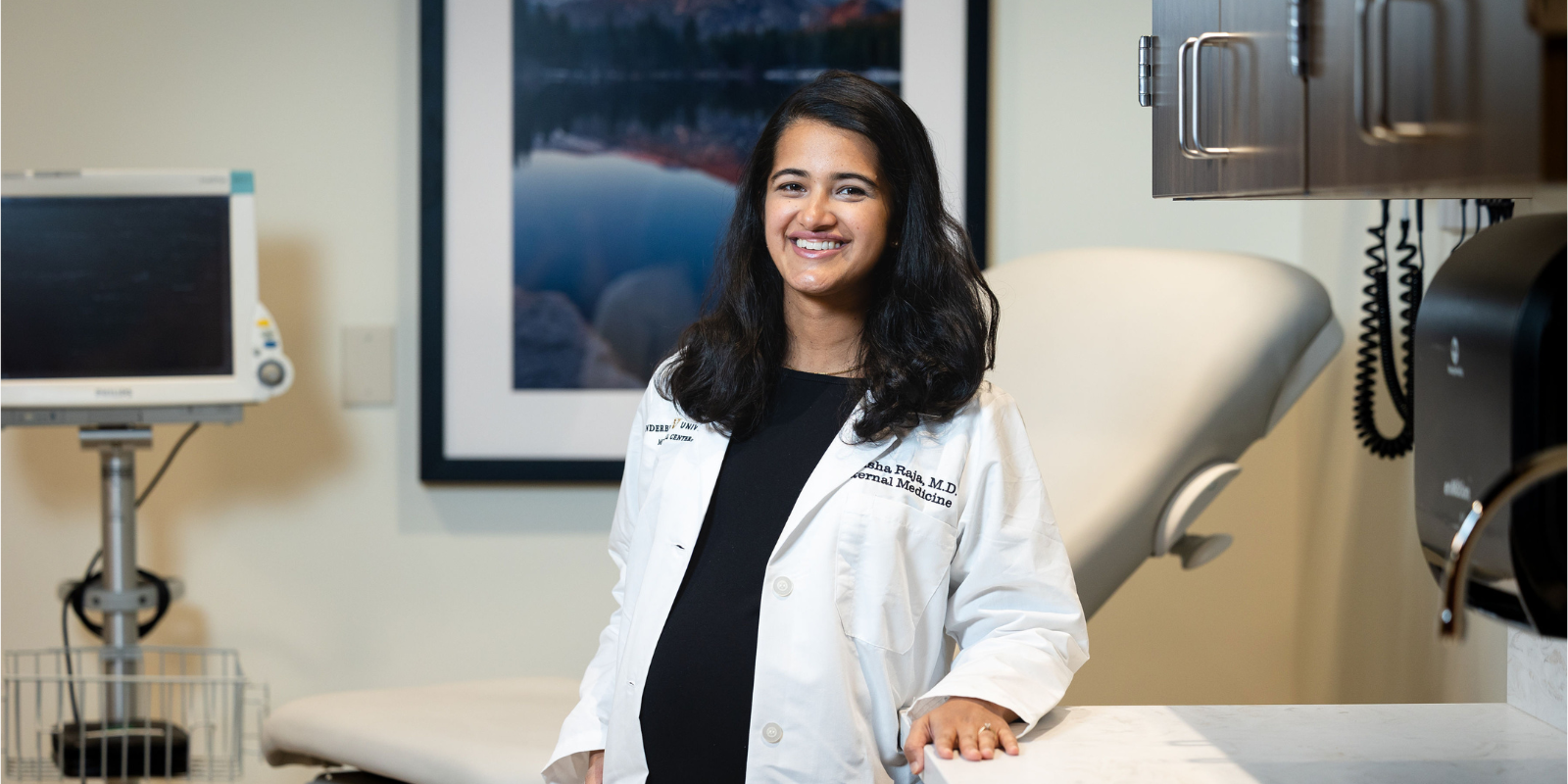
Anusha Raja, MD, MBA, an assistant professor of hospital medicine in the University of Colorado Anschutz Department of Medicine, is helping make pulmonary TB testing quicker and less burdensome for patients. She and her team created an innovative solution that streamlines the testing process and minimizes unnecessary delays.
“I chose this project because of the importance that it holds for our pulmonary TB patients. When they’re being tested and placed in isolation, it can add barriers to their clinical care, increase their length of hospital stay, and affect their overall patient experience,” Raja says.
A closer look at the TB testing process
Patients typically wait for their TB tests results in specialized isolation rooms. These rooms often have features such as negative pressurization to prevent airflow from escaping, an exhaust system with advanced air filtration, and UV irradiation to kill any lingering airborne bacteria.
Health care workers enter the room wearing personal protective equipment (PPE), such as N95 masks, and gather a sample of sputum (or mucus) from the patient’s respiratory tract. They then stain the sputum sample and use it to create a bacterial culture so they can seek out the Mycobacterium tuberculosis bacteria that causes TB.
But unfortunately, this testing process isn’t always quick or painless. The test requires gathering three different sputum samples and sending them to an offsite lab. The lab will perform polymerase chain reaction (PCR) tests and bacterial cultures on the samples. Altogether, the process takes at least 24 hours, but it can take much longer.
Raja tells the story of M.L., a 45-year-old man who had to spend several days in isolation while undergoing TB testing. M.L. is one of many patients who are kept in isolation for long periods while they wait for their test results. Research suggests prolonged isolation can deprive patients of human contact, and their mental health and morale can suffer.
Longer patient stays also increase costs for hospitals. Each additional day a patient stays costs a hospital thousands of dollars, Raja says.
Patients like M.L. inspired Raja to seek a better path forward.
“Patients were just sitting in their rooms waiting. We wanted to figure out why there were all these delays,” she says.
‘It’s been a long road’
Raja teamed up with a coalition of respiratory therapists, nurses, lab techs, hospitalists, and other professionals to investigate the pulmonary TB testing process. The group found that many of the delays that can make testing miserable for patients are solvable.
There are multiple points where the testing process can go awry, but typically, delays come from simple logistical inefficiencies in the process of collecting and testing multiple sputum samples.
In health care settings, providers use order sets — digitized, preset testing and treatment protocols that help them make quick decisions when working with patients. For example, an order set might specify which lab tests to order for a condition like pulmonary TB. Raja and her team came up with a new, streamlined order set for pulmonary TB testing that eliminates some inefficiencies.
For example, the team’s new order set changes who is responsible for collecting sputum samples. In the new order set, a trained respiratory therapist triages the patient and collects the sputum samples. Historically, nurses have often done this work, but nurses may be less familiar with pulmonary TB tests, so they don’t always collect enough sputum for the test. The lab may then reject the sample, and another sample will need to be gathered, which delays test results.
The new order set also enables faster communication between providers to expedite the testing process for patients. Raja says the order set is expected to be deployed across the entire UCHealth system within the next few months, and she’s excited about the possibilities ahead.
“I really hope this works,” Raja says. “It’s been a long road. Since it’s a system-wide change, we’ve had to interact with all of the different hospitals to get buy-in, but talking with them has helped me disseminate this work further. It’s a way of sharing my work that has been really fun and exciting.”